
To shoot more useful drone b-roll, plan your shots carefully by considering angles, composition, and movement for variety. Use smooth, slow pans and tilts to keep footage dynamic and steady with stabilizers or gimbals. Prioritize safety by checking your surroundings and avoiding obstacles. Manage your batteries well and plan shot sequences to maximize limited flight time. Practicing these techniques can help you capture professional-quality footage, and there’s more to discover for taking your drone shots even further.

Get the latest gadgets delivered free — and shop member deals
- Fast, free delivery on millions of items
- Access to Prime Big Deal Days deals on October 6–7
- Prime Video, Amazon Music and more included
Key Takeaways
- Plan shot variety and angles to capture diverse, visually interesting footage that enhances storytelling.
- Use smooth, slow movements like pans and tilts for professional-looking, useful B-roll.
- Focus on lighting conditions, shooting during golden hour for warm, appealing visuals.
- Incorporate different altitudes and dynamic movements to add depth and context to your shots.
- Review footage on-site to ensure shot usefulness and make adjustments as needed.
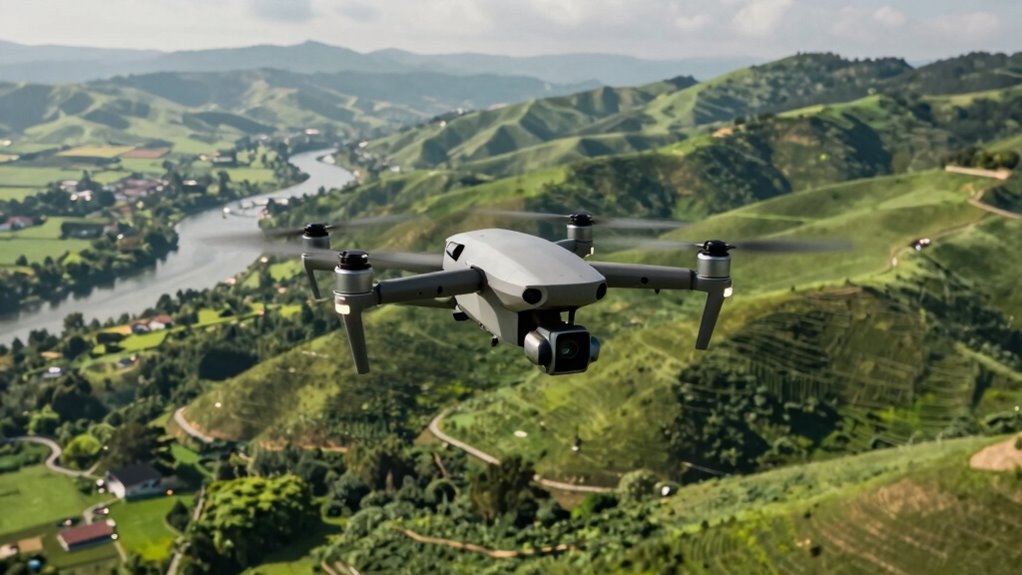
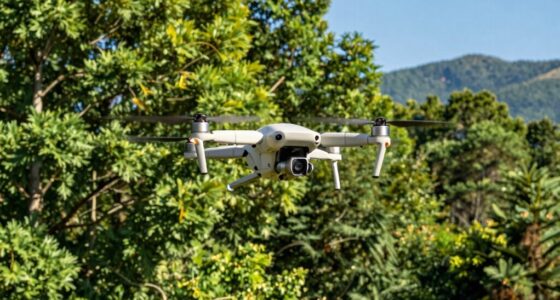
Capturing compelling B-roll with a drone requires more than just flying around and pressing record. To truly elevate your footage, you need to plan your shots carefully, think about composition, and guarantee safety protocols are in place. Drone safety should be your top priority—flying recklessly risks crashes, damage, or injury. Always check your surroundings before takeoff, avoid crowded areas, and stay clear of obstacles like trees, power lines, or buildings. Maintaining a safe distance not only protects your equipment and others but also allows you to focus on capturing smooth, professional shots. Remember, a responsible pilot is a successful one. Additionally, understanding drone safety protocols helps you operate confidently and avoid accidents during your shoot.
Prioritize safety, check surroundings, avoid obstacles, and fly responsibly for professional drone B-roll.
Battery management is another vital aspect that often gets overlooked. A drone’s battery life is finite, typically ranging from 20 to 30 minutes per charge, so planning your shoot around this limitation is essential. Before heading out, fully charge your batteries and carry spares if possible. During your flight, keep an eye on battery levels—many drones have alerts to warn you when power is low. This way, you avoid sudden crashes or forced landings that can ruin your footage and damage your equipment. Efficient battery management also means planning your shots in advance. Know exactly what angles or scenes you want to capture, so you don’t waste precious flight time fiddling with settings or repositioning. Being aware of flight time limitations can significantly improve your overall shooting efficiency. Additionally, practicing pre-flight checks ensures your equipment is ready and reduces the risk of technical failures during your shoot. Remember that flight path planning can help you optimize your time in the air and ensure you capture all necessary shots efficiently.
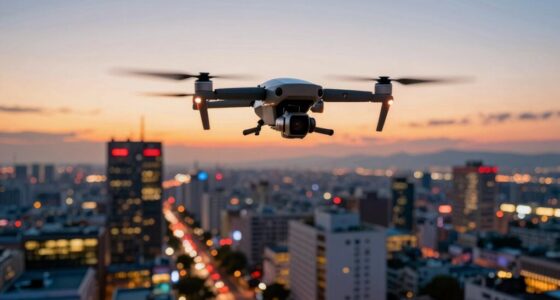
When filming B-roll, think about how your shots can add depth and interest to your project. Use different altitudes, angles, and movements—like slow pans, tilts, or gentle ascents and descents—to make your footage dynamic. Smooth, deliberate movements look more professional and can better showcase landscapes, architecture, or action scenes. Pay attention to lighting conditions as well; shooting during golden hour—shortly after sunrise or before sunset—can give your shots a warm, appealing glow. Keep the camera steady, and avoid rapid movements that can cause jittery footage. Using a gimbal or stabilizer can help keep your shots smooth and polished. Incorporating shot variety into your filming approach can significantly enhance the visual interest and storytelling of your footage. Remember, reviewing your footage on-site allows you to immediately identify and correct issues, saving time in post-production and ensuring your project meets your quality standards.
As an affiliate, we earn on qualifying purchases.
Frequently Asked Questions
What Drone Settings Are Best for Different Lighting Conditions?
To adapt to different lighting conditions, you should calibrate your drone’s camera for ideal exposure, focusing on adjusting ISO, shutter speed, and aperture. Use lower ISO in bright sunlight and increase it in low light, while maintaining proper shutter speed to avoid motion blur. Keep an eye on battery management, as changing settings may drain power faster. Regular camera calibration ensures color accuracy, making your B-roll sharp and vibrant in all lighting scenarios.
How Do I Plan B-Roll Shots Before Flying?
Studies show that detailed planning increases shot quality by 50%. You should start with storyboarding techniques, sketching your shots to visualize composition and movement. Identify key landmarks, angles, and shot types that enhance your story. Consider lighting, weather, and drone capabilities. This preparation helps you execute smooth, purposeful shots, saving time and ensuring your B-roll adds depth. Always plan for alternative angles to adapt to changing conditions.
What Are Common Drone Safety Tips During Filming?
During filming, prioritize drone safety by regularly performing drone maintenance to guarantee it’s in top condition. Always check the weather to avoid flying in strong winds or rain, and stay within legal considerations by respecting no-fly zones and altitude limits. Keep a safe distance from people and property, and maintain visual line-of-sight. Following these safety tips helps prevent accidents and keeps your drone operation legal and smooth.
How Can I Reduce Drone Noise in Footage?
To reduce drone noise in your footage, aim for silent flight by flying smoothly and avoiding rapid movements. Use noise reduction techniques in post-production, like audio editing software to minimize the drone’s hum. Consider flying at higher altitudes where noise is less noticeable, and choose quieter drone models if possible. These steps help you capture cleaner sound, making your B-roll more professional and less distracting for viewers.
What Accessories Improve Drone B-Roll Quality?
To improve your drone B-roll quality, invest in accessories like drone stabilization systems and camera filters. Stabilization gear helps keep footage smooth, even in windy conditions, giving you professional-looking shots. Camera filters, such as ND filters, reduce glare and enhance color clarity, making your footage more vibrant and cinematic. These accessories help you capture sharper, more stable, and visually appealing B-roll, elevating your overall drone videography.
As an affiliate, we earn on qualifying purchases.
Conclusion
By applying these drone shooting tips, you’ll capture more compelling and useful b-roll that elevates your videos. Remember, studies show that viewers are 80% more likely to watch videos with engaging visuals, so making your drone footage stand out can considerably boost your content’s impact. Keep practicing different angles and shots, and you’ll find your footage becoming more dynamic and professional. Ultimately, the more intentional your shots, the more your audience will stay engaged and impressed.
drone obstacle avoidance sensors
As an affiliate, we earn on qualifying purchases.
As an affiliate, we earn on qualifying purchases.
drone ND filters for photography
As an affiliate, we earn on qualifying purchases.
As an affiliate, we earn on qualifying purchases.
Fall Picks
fall essentials
As an affiliate, we earn on qualifying purchases.