🔍 Read the full analysis: AI Game Clones And IP: Making Sense Of Take-Two’s CEO’s Comments on ThorstenMeyerAI.com

Get the latest gadgets delivered free with Prime
- Fast, free delivery on millions of items
- Prime Video, Amazon Music and more included
- Member-only deals all year
TL;DR
Take-Two CEO Strauss Zelnick said AI tools that can help recreate games raise a creative concern, though he does not view them as a financial threat to the publisher. His comments came in response to a question about Anthropic’s new Claude Code restriction; he did not identify a specific clone or accuse either Anthropic or OpenAI of a particular infringement.
Take-Two Interactive CEO Strauss Zelnick said AI-assisted game cloning is a creative concern, but not a financial threat to the publisher, in an IGN interview published Nov. 9. Asked about a new restriction in Anthropic’s coding tool and whether OpenAI should adopt one, he said companies should protect their own intellectual property and that of others; he did not cite a specific cloned game or infringement case.
The exchange took place in a phone interview with IGN managing editor Wesley Yin-Poole, published the evening Take-Two reported results for the quarter ended Sept. 30, 2026. The interviewer asked about reports of hackers using AI to clone games and about Anthropic’s steps to stop Claude from recreating games. Zelnick replied: “I think all companies should be protecting intellectual property, their own and everyone else’s.” He added that it seemed “ironic” for companies in the intellectual-property business to “stomp on someone else’s IP and hope that yours is protected.”
That wording does not specify what conduct Zelnick meant. He did not say whether he was referring to material used to train AI models, outputs made by users, or another practice. Nor did he name a Take-Two title that had been copied using Claude or ChatGPT. The names Anthropic and OpenAI were introduced in the interviewer’s question; Zelnick responded with a general statement about protecting intellectual property.
On the question of commercial risk, Zelnick said, “I don’t think it’s a financial matter, in terms of a threat to our business. I do think it’s a creative matter.” He said Take-Two cares about delivering the experience its developers intend and protects its intellectual property. On the company’s earnings call that day, he said piracy would become “more of a challenge” and that Take-Two was “enhancing our technical defenses and enhancing our legal activities appropriately.”
AI coding agents and existing games · as of Nov 14, 2026
Prompt in, game out: where the line runs
Three example requests (illustrative, not real cases) and what each vendor’s published rules say about them.
- Example request
“An original racing game with my own art”own idea, own assets
Claude Code (Anthropic)AllowedRule text: build original games and games from the user’s own designs and assets
Codex / policies (OpenAI)No objectionNothing in the published usage policies against it
- Example request
“A heist game with mechanics like [a named hit]”a game named as a reference
Claude Code (Anthropic)Allowed since v2.1.317Builds an original game in that genre, per Anthropic
Codex / policies (OpenAI)No game rule foundNo game-specific instruction in the Codex CLI code
- Example request
“Rebuild [a specific game], just rename it”a copy under a new name
Claude Code (Anthropic)Not allowedCovers its name, characters, art, music, levels or look; offers to build something similar
Codex / policies (OpenAI)General IP banUsage policies bar attempts to infringe IP; no game-specific rule found
Outside the tools: Take-Two says it relies on its own “technical defenses” and “legal activities”. Copyright and trademark law apply whichever tool writes the code.
The requests are our own illustrations. The rows summarize published rules, not tests of how the tools behave. ChatGPT’s and Codex Web’s server-side instructions are not public.
Sources: Claude Code program text, versions 2.1.317 to 2.1.325, and Anthropic’s statement of Nov 4, 2026 (via Tom’s Hardware); OpenAI usage policies, version effective Nov 20, 2026 (Internet Archive copy of Oct 28, 2026); Codex CLI repository on GitHub, checked Nov 14, 2026; Take-Two fiscal Q2 2027 earnings call, Nov 9, 2026.
Graphic: Powered by Thorsten Meyer AI
Creative Control, Not Sales Risk
Zelnick distinguished between potential effects on creative work and potential commercial effects. He said he did not consider AI-assisted game cloning a financial threat to Take-Two, while identifying the creative experience and intellectual property as concerns. This describes his assessment and does not establish the extent of any commercial risk from game copying.
The comments come as game publishers face questions about how coding tools may be used to reproduce elements of existing games. Tool policies can address requests involving protected characters, art, music, levels, or a game’s overall look. The interview did not establish that a specific AI-generated clone exists or that any such recreation is an authorized release.
Zelnick also said Take-Two was strengthening its technical defenses and legal activity. He did not provide details about specific measures, cases, or costs.
Products Worth Considering
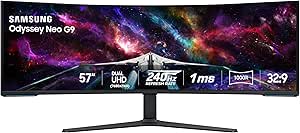
Samsung 57 Odyssey Neo G9 (G95NC) Dual 4K UHD 1000R Curved Gaming Monitor

DJI Osmo 360 Motorcycle Handlebar POV Combo

Anker SOLIX C1000 Gen 2 Portable Power Station with 100W Solar Panel
As an affiliate, we earn on qualifying purchases.
The Rules Behind the Exchange
Anthropic’s Claude Code restriction was published in version 2.1.317 on Nov. 2, 2026, according to the supplied source material. It tells the model not to build a recreation of a specific existing game using its name, characters, art, music, levels, or look, even if the user renames it or calls it original. Anthropic grounds the instruction in its usage policy, which bars infringement of third-party intellectual property.
OpenAI’s usage policies also prohibit attempts to infringe others’ intellectual-property rights. The source material reports that its author found no game-specific instruction in the open-source code of OpenAI’s Codex CLI. That observation is limited to the code examined and does not establish what every OpenAI product or policy may do.
The interview was published ten days before Grand Theft Auto VI was scheduled to go on sale, giving the question added relevance for Take-Two and its Rockstar Games label. In the earnings-call discussion, Zelnick said piracy had historically been limited by game file sizes, technical complexity, and server connections, but acknowledged that it may become more challenging. Those comments address piracy broadly and do not confirm that AI tools have bypassed protections on a Take-Two game.
“I think all companies should be protecting intellectual property, their own and everyone else’s.”
— Strauss Zelnick, Take-Two Interactive CEO, speaking to IGN
What the Comments Do Not Establish
The interview does not identify a particular game that has been cloned with an AI tool, provide evidence of a specific infringement, or explain what Zelnick meant by “stomp on someone else’s IP.” It is also unclear whether he was criticizing model training, user-generated outputs, or another practice. His remarks should not be read as a documented allegation that Anthropic or OpenAI infringed Take-Two’s rights.
The language used in the question and the wording of Anthropic’s rule are not identical. The interviewer referred to blocking Claude from “reverse engineering” games, while the published instruction described recreating a specific existing game and did not mention reverse engineering or decompiling. The source material reports no public response from Anthropic or OpenAI by 21:30 UTC on Nov. 14. The exact scope and enforcement of the relevant policies across products also remain unclear from the material available.
Policy Enforcement and Take-Two’s Defenses
The next indicators are whether Anthropic or OpenAI publicly respond to Zelnick’s comments, and whether either company changes or clarifies its rules on game recreations. A policy statement alone does not establish how consistently a tool will refuse requests or how cases will be handled in practice.
For Take-Two, Zelnick said the company was strengthening technical defenses and legal activity, but supplied no timetable or specific examples. Further earnings-call comments, policy updates, or disclosed legal actions could show how the publisher responds as AI tools develop. Until then, the confirmed development is a statement of principle and concern, not a reported dispute or a confirmed case of an AI-generated Take-Two game clone.
Key Questions
Did Strauss Zelnick accuse Anthropic or OpenAI of copying a Take-Two game?
No specific accusation appears in the reported interview. Zelnick said AI companies should protect others’ intellectual property, but did not identify a cloned Take-Two title or describe a particular infringement.
What did Zelnick say about the business risk?
He said he did not view AI-assisted cloning as a financial threat to Take-Two, while calling it a creative concern. He also said piracy may become more challenging.
What restriction did Anthropic add to Claude Code?
According to the supplied source, a rule published in version 2.1.317 tells Claude Code not to recreate a specific existing game using identifying elements such as its characters, art, music, levels, or look, even if renamed.
Does OpenAI have a game-specific rule?
OpenAI’s usage policies prohibit attempts to infringe others’ intellectual-property rights. The source material says its author found no game-specific instruction in the open-source Codex CLI code examined; that finding does not describe every OpenAI product or policy.
What remains unknown?
The remarks do not establish which conduct Zelnick meant, whether an AI-generated clone of a Take-Two game exists, or how the companies’ policies are enforced. The source material also reports no public response from Anthropic or OpenAI by Nov. 14, 2026.
Source: ThorstenMeyerAI.com