
By regularly checking engine oil and cabin pressure systems, you catch small issues before they become big problems. Simple habits like cleaning components and inspecting seals help prevent engine failure, leaks, and altitude-related health risks. These quick, routine tasks keep your aircraft running smoothly and improve safety during flights. Paying attention to these details now saves you time, money, and stress later—discover how these small habits make a big difference for your flight safety.

Get the latest gadgets delivered free — and shop member deals
- Fast, free delivery on millions of items
- Access to Prime Big Deal Days deals on October 6–7
- Prime Video, Amazon Music and more included
Key Takeaways
- Regularly checking engine oil levels prevents engine wear and reduces the risk of in-flight failure.
- Routine inspection of cabin pressure systems avoids leaks and pressure-related malfunctions.
- Cleaning and inspecting ventilation components early detects issues before they escalate.
- Consistent maintenance habits extend aircraft component lifespan and improve overall reliability.
- Proactive checks minimize unexpected breakdowns, ensuring safer, smoother flights.
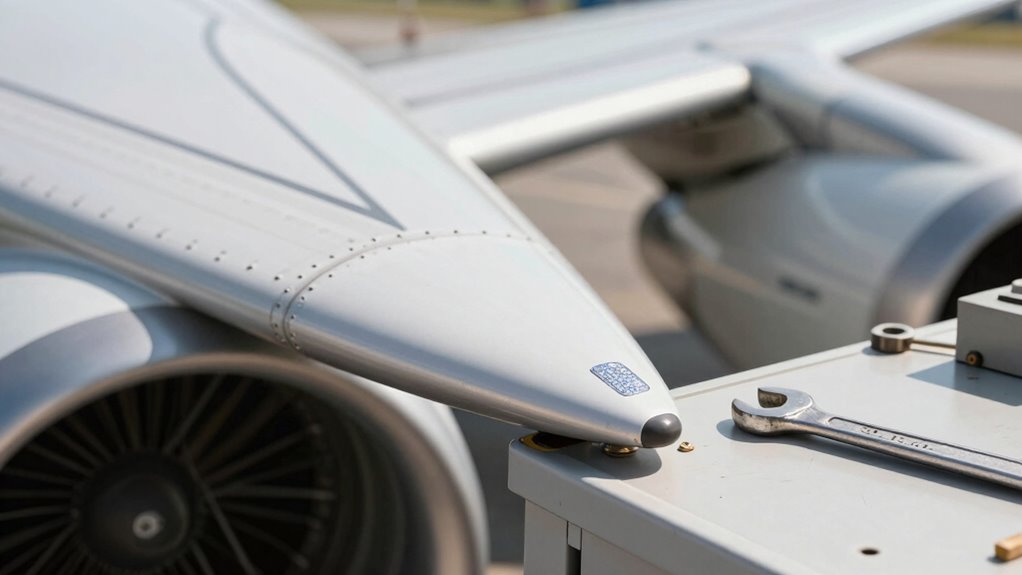
Regularly checking and maintaining your aircraft might seem like a small task, but it can prevent serious flying problems down the line. Small habits, such as inspecting the engine oil and guaranteeing proper aircraft engine lubrication, are essential. When you routinely check oil levels and quality, you reduce the risk of engine wear or failure caused by inadequate lubrication. Over time, neglecting these simple steps can lead to costly repairs or even in-flight engine issues. By staying on top of lubrication schedules, you help keep the engine running smoothly, reducing the chance of unexpected breakdowns during flight.
Regular oil checks and proper lubrication prevent engine failures and costly repairs.
Similarly, paying attention to cabin pressure management is critical for passenger comfort and safety. Small, consistent checks of the cabin pressure system ensure that everything functions properly before takeoff. If the cabin pressure isn’t managed correctly, it can cause discomfort, hypoxia, or even more serious altitude-related problems for you and your passengers. Regularly verifying the integrity of seals, valves, and the pressurization system minimizes the chance of leaks or malfunctions that could occur mid-flight. These minor habits keep the cabin environment stable, reducing stress on the aircraft’s systems and preventing emergency decompression situations.
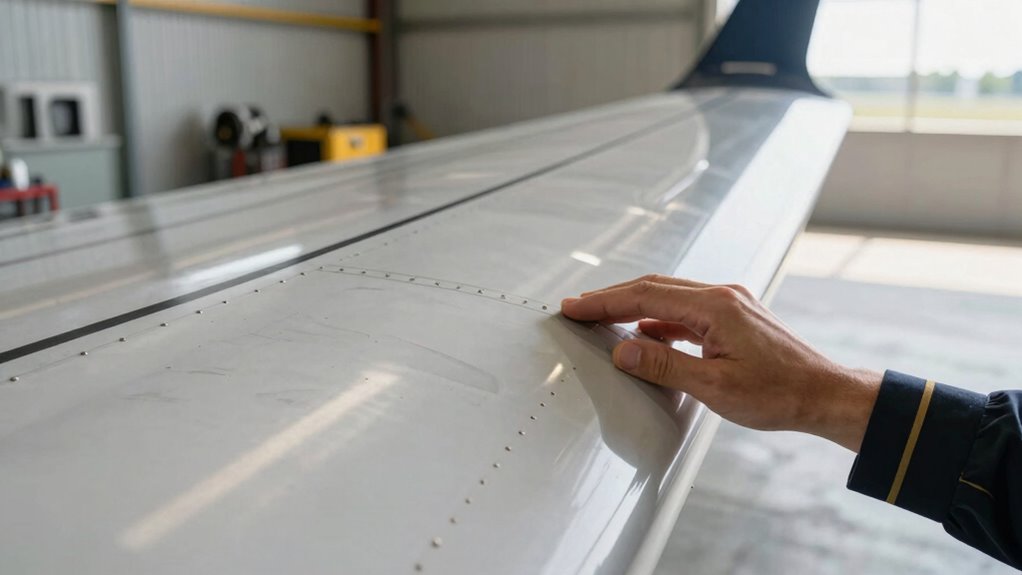
Your routine inspections should include a quick review of the aircraft’s pressure sensors and indicators. If you notice any irregularities, addressing them immediately prevents escalation into bigger issues. Consistent maintenance also involves cleaning and inspecting ventilation and pressure control components, which helps catch small issues before they develop into major failures. The effort you invest in these small checks contributes substantially to your overall safety and the longevity of your aircraft. Additionally, understanding the importance of aircraft maintenance can help pilots and owners better prioritize their inspection routines for maximum safety. A disciplined approach to these tasks can also prevent costly repairs, saving time and resources in the long run. Incorporating preventative maintenance into your routine can further identify potential issues early and improve aircraft reliability.
In addition, these habits foster a proactive mindset. When you stay diligent about aircraft engine lubrication and cabin pressure management, you’re less likely to overlook potential problems. This proactive approach not only enhances safety but also extends the lifespan of critical components, saving you money and downtime. Small routines like scheduled oil checks and pressure system audits become second nature, making maintenance less of a chore and more of a safeguard.
Ultimately, the small maintenance habits you adopt—focusing on engine lubrication and cabin pressure management—are investments in your aircraft’s reliability. They might seem minor, but they act as the first line of defense against larger, more dangerous issues. When you prioritize these simple yet essential tasks, you ensure safer flights, smoother operations, and peace of mind every time you take to the skies.
As an affiliate, we earn on qualifying purchases.
Frequently Asked Questions
How Often Should I Perform Basic Aircraft Inspections?
You should perform basic aircraft inspections before every flight, including thorough pre-flight checks. Regular inspections help you catch potential issues early, preventing bigger problems later. Use troubleshooting techniques during these checks to identify any irregularities in systems or controls. By maintaining a consistent routine, you’ll guarantee safety and reliability, and reduce the chances of unexpected problems during your flight. Remember, consistency is key to safe flying.
What Tools Are Essential for Daily Aircraft Maintenance?
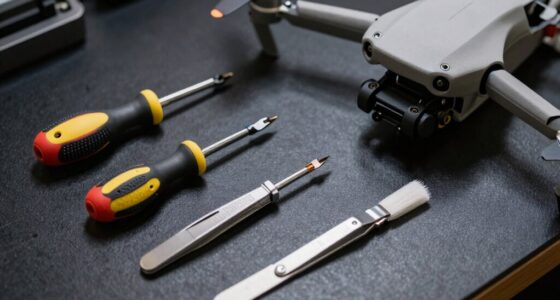
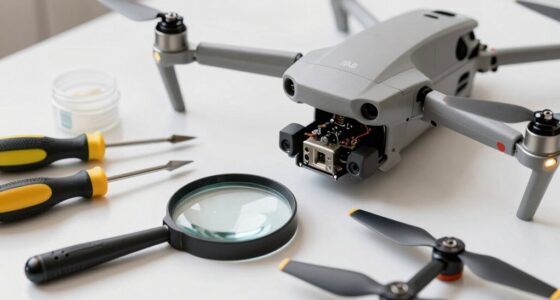
Imagine a cluttered toolbox versus a neatly organized one—your essential tools for daily aircraft maintenance should mirror the latter. You need screwdrivers, wrenches, a flashlight, and a mirror for thorough inspections. Proper tool organization makes inspection scheduling smoother, ensuring quick access to what you need, reducing errors, and preventing small issues from becoming big problems. Keep your tools clean, organized, and ready, and your aircraft stays safer.
How Can I Identify Early Signs of Mechanical Issues?
You can identify early signs of mechanical issues by paying close attention to unusual noises, vibrations, or changes in aircraft handling. Regularly check for fluid leaks, warning lights, or gauge anomalies during pre-flight inspections. Trust your instincts if something feels off, and don’t ignore minor irregularities—they often signal underlying mechanical issues. Addressing these early signs promptly helps prevent bigger problems, ensuring safe, smooth flights and reducing costly repairs later.
Are There Recommended Maintenance Checklists for Small Aircraft?
Yes, there are recommended maintenance checklists for small aircraft. You should regularly inspect essential areas like aircraft cleaning and the fuel system to prevent issues. These checklists guide you through routine tasks such as cleaning surfaces, checking for corrosion, and ensuring fuel lines are free of debris. Following these checklists helps you catch minor problems early, ensuring your aircraft remains safe, reliable, and ready for flight at all times.
What Training Is Needed for Proper Maintenance Routines?
You need proper training in aircraft maintenance routines, including procedures for aircraft lubrication and corrosion prevention. This training guarantees you understand how to inspect, clean, and lubricate parts correctly, reducing wear and preventing corrosion buildup. You’ll learn key safety practices and maintenance schedules, which help catch issues early before they become serious problems. With proper training, you’ll maintain your aircraft’s safety, efficiency, and longevity, avoiding costly repairs and potential flight disruptions.
cabin pressure system inspection tools
As an affiliate, we earn on qualifying purchases.
As an affiliate, we earn on qualifying purchases.
Conclusion
By tending to small maintenance tasks regularly, you’re like a skilled gardener pruning away trouble before it blooms. These tiny habits act as the steady heartbeat of safe flying, preventing major breakdowns from taking flight. Think of each check-up as a protective shield, keeping your aircraft healthy and ready to soar. When you nurture your plane with consistent care, you’re not just avoiding big problems—you’re ensuring your journey remains smooth as a bird in the sky.
aircraft seal and valve inspection kit
As an affiliate, we earn on qualifying purchases.
As an affiliate, we earn on qualifying purchases.
aircraft ventilation cleaning tools
As an affiliate, we earn on qualifying purchases.
As an affiliate, we earn on qualifying purchases.
Evergreen bestsellers Picks
bestsellers
As an affiliate, we earn on qualifying purchases.