A clean lens helps prevent dirt and smudges from blurring your images, but it’s not enough to guarantee sharp aerial shots. Internal sensor misalignment, calibration issues, or external factors like impacts and firmware updates can cause blurriness and color inaccuracies even with a spotless lens. Proper sensor calibration and understanding lighting conditions are essential for clear, accurate images. Keep exploring to discover how combining these factors can elevate your aerial photography skill.

Get the latest gadgets delivered free with Prime
- Fast, free delivery on millions of items
- Prime Video, Amazon Music and more included
- Member-only deals all year
Key Takeaways
- Internal sensor calibration is essential to correct misalignments that cleaning cannot fix.
- External factors like impacts or firmware updates can cause sensor drift affecting image quality.
- Proper calibration ensures accurate color and exposure, beyond just keeping the lens clean.
- Lighting conditions significantly influence image clarity, requiring camera adjustments alongside cleaning.
- Relying solely on lens cleaning ignores internal sensor issues that cause blurriness and noise.
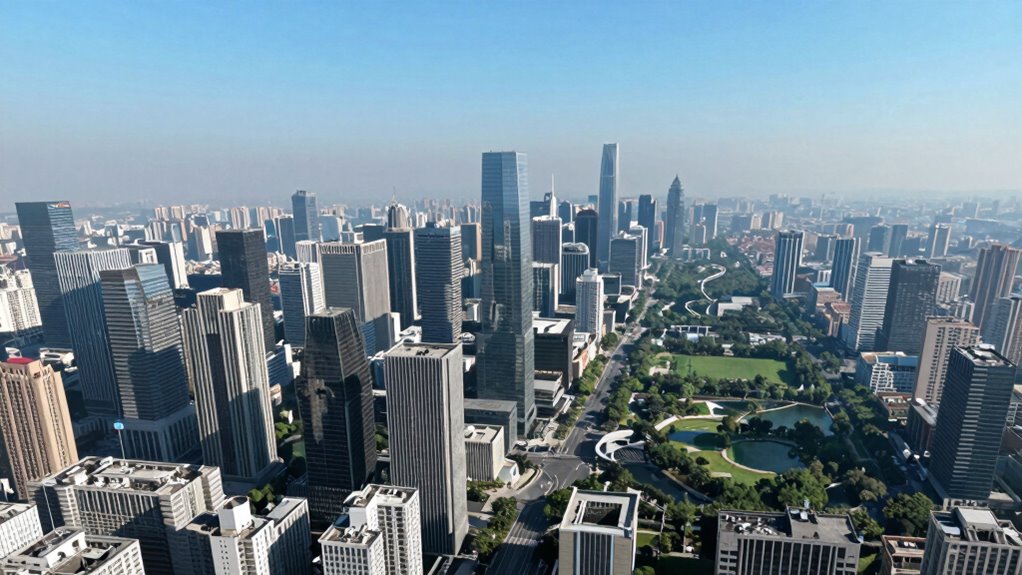
Have you ever cleaned your drone’s camera lens only to be disappointed by blurry or grainy aerial images? It’s frustrating when your shots don’t turn out clear, especially after taking the time to wipe away dirt or smudges. While a clean lens is definitely vital, it’s only part of the puzzle. The real key to sharp, high-quality images lies beneath the surface—specifically, in sensor calibration and understanding your lighting conditions.
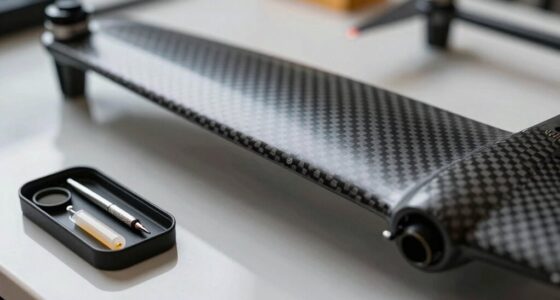
Sensor calibration is often overlooked but plays a essential role in capturing crisp images. Your drone’s camera sensor needs regular calibration to function correctly, especially if you notice inconsistent colors or exposure issues. Misaligned sensors can cause blurriness or color inaccuracies, making your photos look less professional. Calibration involves adjusting the sensor’s settings so that it accurately processes light and color data. When your sensor is properly calibrated, it guarantees that every pixel captures true-to-life detail, regardless of external factors. Without this step, even the cleanest lens won’t prevent blurry or grainy images, because the camera’s internal processing isn’t optimized. Ensuring your sensor is properly maintained can significantly improve your photography results. Additionally, sensor calibration is crucial for maintaining image consistency over time, especially after firmware updates or physical impacts. Regular calibration also helps prevent image quality issues that arise from sensor drift or misalignment. Neglecting sensor calibration can lead to persistent issues that cleaning the lens alone cannot fix. Recognizing the importance of camera settings and how they interact with lighting conditions can also make a notable difference in your shots.
Sensor calibration ensures your drone captures true-to-life detail, preventing blurriness and color inaccuracies for professional-quality images.
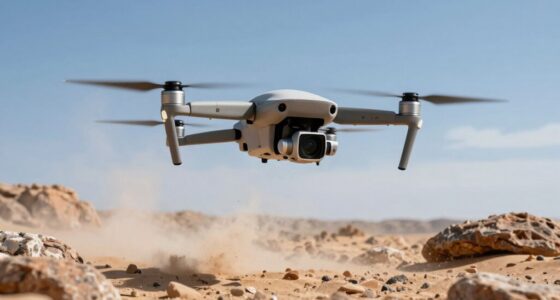
Lighting conditions also heavily influence your aerial photography. Bright, even lighting typically produces the best results, but natural light isn’t always ideal or predictable. Overcast skies, harsh sunlight, or shadows can all alter how your camera captures images. If you’re flying during sunset or under cloudy skies, your camera might struggle to balance exposure, resulting in grainy or poorly detailed photos. Adjusting your camera settings—like ISO, shutter speed, or aperture—can help compensate for varying lighting conditions. Additionally, understanding when to shoot—such as avoiding midday sun that creates harsh shadows—can make a significant difference. Remember, even if your lens is spotless, poor lighting can introduce noise, reduce contrast, and wash out details. Recognizing lighting conditions and adapting accordingly can greatly enhance your image quality.
By combining proper sensor calibration with an awareness of lighting conditions, you set a strong foundation for clearer aerial images. Don’t rely solely on cleaning your lens; take the extra step to calibrate your sensor regularly and plan your flights around ideal lighting. This way, you’re not just cleaning the surface—you’re guaranteeing your camera’s inner workings are aligned and your environment is ideal for capturing sharp, vibrant images. When you approach aerial photography with this holistic mindset, your images will improve, and you’ll see that a clean lens is just one piece of a much larger puzzle.
drone camera sensor calibration tool
As an affiliate, we earn on qualifying purchases.
As an affiliate, we earn on qualifying purchases.
Frequently Asked Questions
How Does Sensor Quality Impact Aerial Image Clarity?
Sensor quality considerably impacts aerial image clarity by providing better detail, color accuracy, and low-light performance. When your sensor is well-calibrated, it reduces noise and distortions, ensuring sharper images. Additionally, a high-quality sensor works best with an ideal lens aperture, allowing for proper focus and depth of field. Together, calibration and sensor quality enhance overall image clarity, making your aerial photos more precise and professional.
What Role Does Image Processing Software Play in Enhancement?
You use image processing software to markedly improve aerial image clarity by enhancing image resolution and applying advanced algorithms. The software fine-tunes details, reduces noise, and sharpens features that raw images may lack. Software algorithms analyze data to optimize contrast and color, making your images clearer and more detailed. This step is essential because it refines what your sensor captures, ensuring your aerial images are as sharp and informative as possible.
Can Weather Conditions Affect Aerial Image Quality?
Just as fog obscures a clear view at dawn, weather effects and atmospheric interference can drastically reduce aerial image quality. Rain, fog, clouds, and wind distort visuals, making details blurry or hidden. These conditions introduce haze and distortions that even the best camera lenses can’t overcome alone. To get sharp, accurate images, you need to take into account weather effects when planning flights, and use software corrections to mitigate atmospheric interference.
How Important Is Camera Stability During Capturing?
Camera stability is vital during capturing because it directly affects image clarity and sharpness. You should prioritize camera stabilization, using gimbals or stabilizers, especially during turbulent conditions. Incorporate camera stabilization into your flight planning to minimize motion blur. Proper flight planning guarantees steady shots, reduces the need for post-processing, and results in higher-quality aerial images. Stability makes all the difference between blurry and crystal-clear aerial footage.
What Are the Best Practices for Post-Flight Image Editing?
After your flight, focus on post-flight image editing by adjusting brightness, contrast, and sharpness to enhance details. Guarantee proper lens maintenance by removing dust or smudges that could compromise image quality. Use editing software to correct color balance and eliminate noise. Good flight planning helps identify potential issues beforehand, so you can address them during editing. Combining these practices ensures your aerial images are clear, vibrant, and professional-looking.
aerial drone camera calibration kit
As an affiliate, we earn on qualifying purchases.
As an affiliate, we earn on qualifying purchases.
Conclusion
If you think a clean lens is all it takes for crisp aerial images, think again. Even spotless lenses can’t fix issues like poor lighting, incorrect settings, or weather conditions. Do you want your aerial shots to truly stand out? Then, focus on thorough camera care—adjust your settings, monitor the weather, and use the right equipment. After all, isn’t capturing stunning aerial imagery about more than just a clean lens?
drone camera sensor alignment software
As an affiliate, we earn on qualifying purchases.
As an affiliate, we earn on qualifying purchases.
professional drone camera lens cleaner
As an affiliate, we earn on qualifying purchases.
As an affiliate, we earn on qualifying purchases.
Halloween Picks
halloween
As an affiliate, we earn on qualifying purchases.