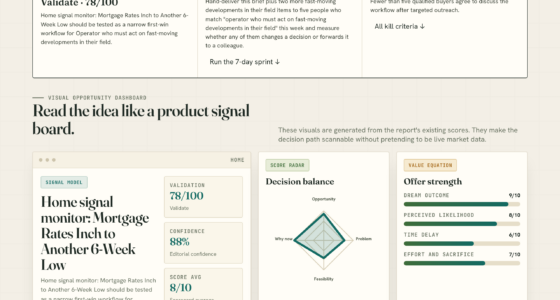
📊 Full opportunity report: Colorado’s Political Landscape Under The Microscope: Supply-Chain And Trade Trends on IdeaNavigator AI — validation score, market gap, and execution plan.
Listen free for 30 days with Audible
Thousands of audiobooks and originals — cancel anytime.
Start your free trialAs an affiliate, we earn on qualifying purchases.
TL;DR
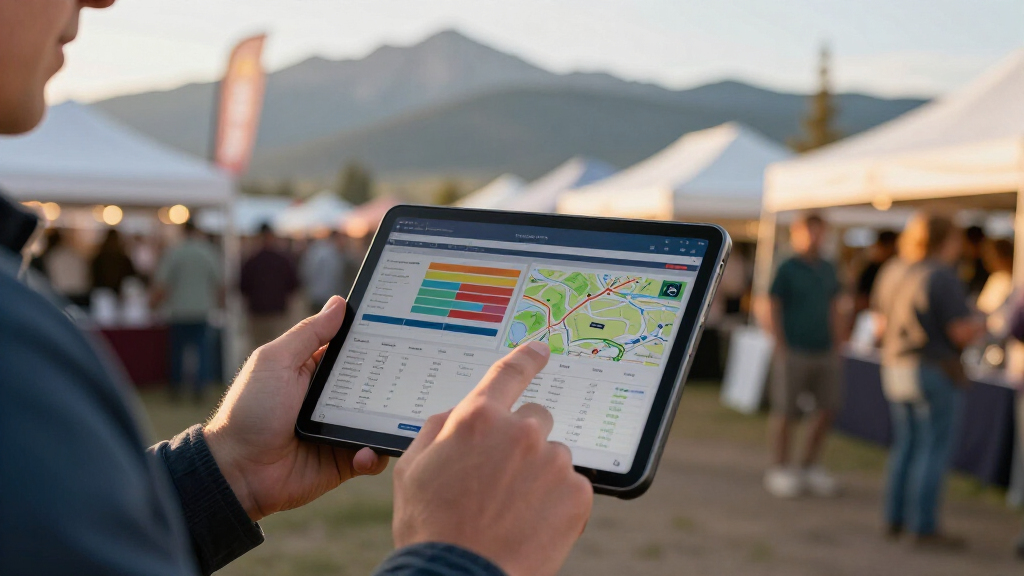
Colorado’s political environment is facing increased scrutiny with upcoming elections testing the Democratic socialist movement. Simultaneously, supply-chain and trade operations are under pressure from rapid geopolitical shifts, prompting new monitoring efforts.
Colorado’s political landscape is under intense examination as upcoming elections serve as a critical test for the Democratic socialist movement and other key races. Concurrently, trade and supply-chain operations in the state face mounting pressure from rapid geopolitical shifts, prompting calls for more targeted monitoring of developments that could impact local and national markets.
Recent polling and political analysis suggest that Colorado’s upcoming primaries and general elections will be pivotal in shaping the future of the Democratic socialist movement within the state. These races are viewed as a barometer for broader national trends, with political analysts emphasizing their significance for party strategy and policy direction.Simultaneously, supply-chain and trade operations are increasingly affected by fast-moving geopolitical events. An emerging focus on real-time monitoring aims to filter signals relevant to Colorado’s trade exposure, particularly in relation to international conflicts and trade disputes. This is driven by a rising need for operations leads managing supply-chain risks to receive role-specific alerts that can inform quick decision-making amidst the volatility.
Implications of Political and Trade Shifts for Colorado
This convergence of political and trade developments in Colorado matters because it underscores how local elections can influence, or be influenced by, international trade dynamics. The state’s political direction could impact policy decisions affecting trade agreements, supply-chain resilience, and economic stability. For supply-chain managers, understanding these signals is crucial for proactive risk management, especially as geopolitical tensions escalate and trade routes become more uncertain.
supply chain risk monitoring tools
As an affiliate, we earn on qualifying purchases.
As an affiliate, we earn on qualifying purchases.
Colorado’s Political and Trade Environment: Key Background
Colorado has historically been a battleground state with a diverse electorate, making its primaries and elections highly indicative of broader political shifts. Recently, the state has seen increased activity from Democratic socialist factions, which are gaining influence within local and national Democratic circles. These political currents are unfolding against a backdrop of rising international tensions, trade disputes, and supply-chain disruptions stemming from geopolitical conflicts in regions like Asia and Eastern Europe.
In recent years, Colorado’s economy has become more integrated with global markets, heightening the importance of timely intelligence on geopolitical events. While political campaigns focus on domestic issues, trade and supply-chain concerns are increasingly shaping policy debates, especially around infrastructure, tariffs, and international partnerships.
real-time geopolitical trade alerts
As an affiliate, we earn on qualifying purchases.
As an affiliate, we earn on qualifying purchases.
Unclear Impact of Political Outcomes on Trade Policies
It remains uncertain how the specific results of Colorado’s upcoming elections will directly influence state or national trade policies. While political analysts suggest potential shifts, the precise policy directions and their subsequent effects on supply-chain operations are still developing. Additionally, the effectiveness of new signal monitoring tools in preempting trade disruptions has yet to be fully validated in this context.
trade disruption analysis software
As an affiliate, we earn on qualifying purchases.
As an affiliate, we earn on qualifying purchases.
Next Steps in Monitoring and Political Developments
As Colorado’s elections approach, political observers and trade managers will closely watch campaign outcomes and policy announcements. Simultaneously, efforts to develop and implement role-specific monitoring tools for geopolitical signals are expected to accelerate. These tools aim to provide real-time alerts tailored for operations leads managing supply-chain and trade exposure, helping them respond swiftly to emerging risks.
supply chain management monitoring system
As an affiliate, we earn on qualifying purchases.
As an affiliate, we earn on qualifying purchases.
Key Questions
How could Colorado’s political shifts affect local trade policies?
Political shifts may influence policy decisions related to tariffs, trade agreements, and infrastructure investments, which can impact local and regional supply chains.
What are the main geopolitical risks impacting Colorado’s supply chains right now?
Current risks include international conflicts, trade disputes, and supply disruptions stemming from geopolitical tensions in regions like Asia and Eastern Europe.
How are supply-chain managers responding to these rapid geopolitical changes?
Many are adopting real-time signal monitoring tools that filter relevant developments and provide role-specific alerts to support quick decision-making.
Will election results directly change trade policies in Colorado?
It is not yet clear how election outcomes will influence trade policies; much depends on the subsequent legislative and executive actions taken at the state and federal levels.
What is the purpose of developing targeted geopolitical signal monitors?
They aim to provide supply-chain and trade operations with early, relevant alerts that enable proactive risk mitigation in a fast-changing geopolitical environment.
Source: IdeaNavigator AI
College move-in / dorm season Picks
dorm essentials
As an affiliate, we earn on qualifying purchases.