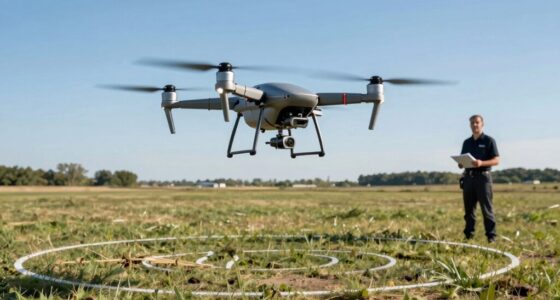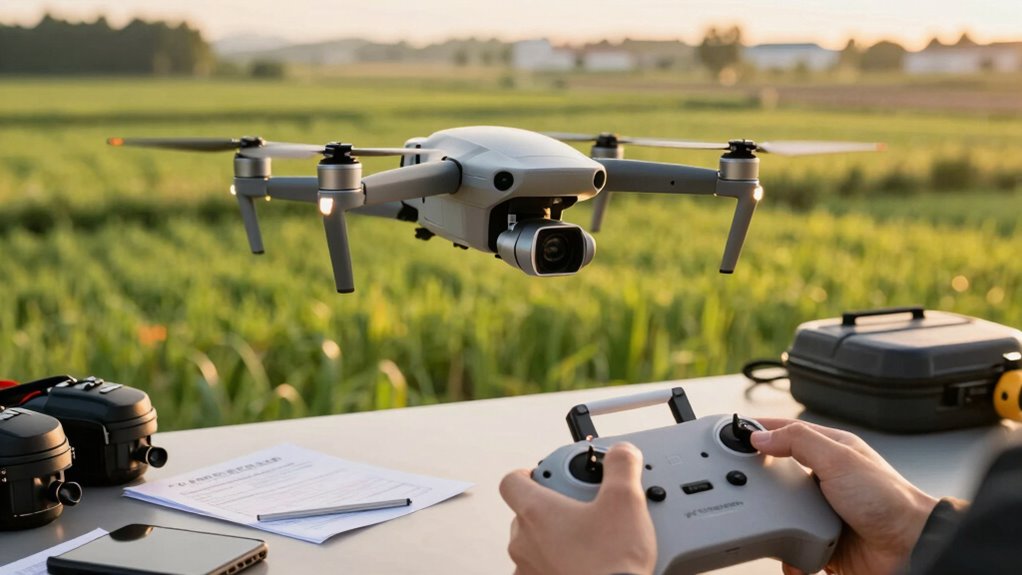

To make drone flying easier, safer, and more enjoyable, develop habits like checking your propellers for damage, ensuring your battery is fully charged and properly seated, and cleaning sensors regularly. Always monitor weather conditions to avoid winds, rain, or cold temperatures that can cause issues. Routine maintenance and inspections help prevent failures and prolong your drone’s life. Keep these habits consistent, and you’ll find flying becomes more reliable and stress-free—discover how to perfect your routine with the next tips.

Get the latest gadgets delivered free with Prime
- Fast, free delivery on millions of items
- Prime Video, Amazon Music and more included
- Member-only deals all year
Key Takeaways
- Perform regular pre-flight checks on propellers, batteries, and sensors to ensure optimal drone condition.
- Monitor weather conditions consistently to avoid flying in high winds, rain, or low temperatures.
- Confirm batteries are fully charged and properly seated to prevent power loss during flight.
- Conduct routine maintenance to address potential issues and extend drone lifespan.
- Stay informed about environmental factors to anticipate and mitigate weather-related flight risks.
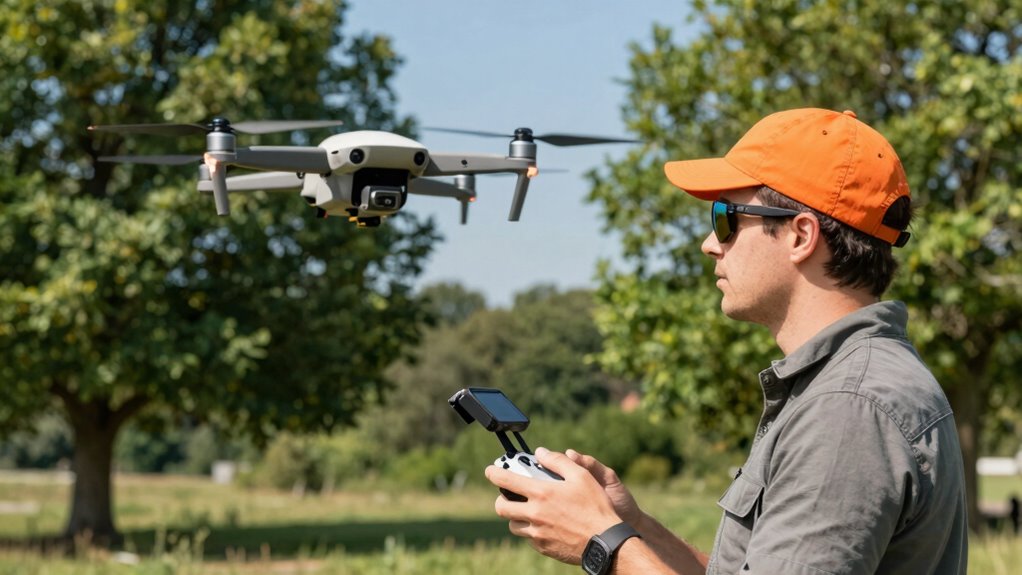
Flying a drone can be enjoyable, but it also requires careful habits to guarantee safety and ease. One of the most important habits is regular drone maintenance. Before every flight, you should check your drone thoroughly. Inspect the propellers for any cracks or chips, as damaged propellers can cause instability or crashes. Make sure the battery is fully charged and properly seated, since a loose connection can lead to power loss mid-flight. Clean your drone’s camera and sensors carefully, removing dust or dirt that could impair performance. Performing routine maintenance not only extends your drone’s lifespan but also ensures it operates smoothly, reducing unexpected failures that could jeopardize your safety or damage your equipment.
Equally essential is developing good weather awareness habits. Always check the weather forecast before heading out to fly. Wind speed, precipitation, and temperature all influence how your drone handles in the air. Flying in high winds can make control difficult, increasing the risk of crashes or losing your drone. Rain or snow can damage sensitive electronics and interfere with sensors, so avoid flying in inclement weather. Low temperatures can affect battery life, causing it to drain faster than usual, while excessive heat can lead to overheating. By staying informed about weather conditions, you can choose suitable times and locations for your flights, making the experience safer and more predictable. Additionally, understanding the impact of weather on drone performance can help you better anticipate potential issues during flight. Staying aware of environmental conditions is key to safe drone operation. Remember that weather patterns can change rapidly, so continuous monitoring during flight is advisable. Being aware of cloud cover can also help in planning your flight to avoid visibility issues or interference. Incorporating weather awareness into your routine ensures you respond promptly to changing conditions, enhancing safety and flight success.
drone propeller inspection tools
As an affiliate, we earn on qualifying purchases.
As an affiliate, we earn on qualifying purchases.
Frequently Asked Questions
How Can I Improve My Drone’s Battery Life Effectively?
To improve your drone’s battery life effectively, focus on battery management and power conservation. Avoid overcharging and store batteries in a cool, dry place. During flights, reduce unnecessary movements and avoid high speeds that drain power quickly. Keep your drone’s firmware updated for maximum performance, and turn off unnecessary features like lights or cameras when not in use. These habits help extend flight time and guarantee safer, more efficient flying.
What Are the Best Ways to Avoid Mid-Air Collisions?
To avoid mid-air collisions, prioritize airspace awareness by checking for other drones and aircraft before flying. Always maintain visual line of sight with your drone, so you can monitor its position and surroundings constantly. Use onboard sensors and collision avoidance systems if available, and stay within legal flying zones. By actively observing your drone and surroundings, you reduce the risk of accidents and guarantee safer flights.
How Do Weather Conditions Impact Drone Safety?
Weather conditions profoundly impact your drone’s safety. Weather hazards like rain, snow, or fog can reduce visibility and damage your drone’s electronics. Wind effects, especially gusts, can cause unstable flight and loss of control. You should always check the forecast before flying, avoid strong winds, and be prepared to land quickly if weather worsens. Staying aware of weather impacts helps you fly more confidently and safely.
What Maintenance Routines Prevent Drone Malfunctions?
To prevent drone malfunctions, you should perform pre-flight inspections, checking for loose screws, damage, and battery health. Always guarantee your firmware is up-to-date, as updates fix bugs and improve performance. Regularly clean drone components, especially sensors and propellers, and store your drone properly when not in use. These routines help catch issues early, keep your drone running smoothly, and reduce the risk of in-flight problems.
How Can I Enhance My Drone’s Camera Stability?
You notice the smoothness of a drone’s footage, and realize it’s because of better camera stabilization. To enhance your drone’s camera stability, regularly perform gimbal adjustments before flights and keep the gimbal’s firmware updated. Avoid abrupt movements during flight, and guarantee the gimbal is balanced properly. These habits help you achieve clearer, steadier shots, making your footage look professional and reducing post-editing corrections.
drone battery charger and tester
As an affiliate, we earn on qualifying purchases.
As an affiliate, we earn on qualifying purchases.
Conclusion
By adopting these habits, you’ll find drone flying becomes more intuitive and secure. Consistent checks, proper planning, and staying informed can substantially reduce accidents—studies show that pilots who follow routine safety measures experience 30% fewer mishaps. Embracing these habits not only enhances your confidence but also guarantees a safer flying experience. Keep practicing these tips, and you’ll enjoy soaring with greater ease and peace of mind every time.
As an affiliate, we earn on qualifying purchases.
As an affiliate, we earn on qualifying purchases.
Halloween Picks
halloween
As an affiliate, we earn on qualifying purchases.