

📊 Full opportunity report: Nine AI Technologies Poised To Lead In 2026 on ThorstenMeyerAI.com — validation score, market gap, and execution plan.

Get the latest gadgets delivered free — and shop member deals
- Fast, free delivery on millions of items
- Access to Prime Big Deal Days deals on October 6–7
- Prime Video, Amazon Music and more included
TL;DR
Nine AI technologies are expected to lead the industry by 2026, driven by advancements in machine learning, natural language processing, and autonomous systems. Experts predict these will shape AI’s future, though some details remain uncertain.
Industry analysts forecast that nine specific AI technologies will lead the sector by 2026, reflecting ongoing advancements and market shifts. This evolution is detailed in Nine Emerging AI Technologies To Watch In 2026. This projection underscores the rapid evolution of AI and its increasing influence across multiple industries, making these technologies critical for future innovation.
According to a recent industry report, the nine AI technologies poised for dominance include large language models, autonomous systems, edge AI, explainable AI, AI chips, reinforcement learning, multimodal AI, AI-driven robotics, and privacy-preserving AI. These areas have seen significant investment and research, with companies and governments actively deploying early versions and prototypes.
Experts from various research institutions and industry leaders, including AI development firms and tech giants, have highlighted these nine as the most promising based on current funding, technological breakthroughs, and market adoption. For a comprehensive overview, see the original analysis. While these predictions are grounded in ongoing developments, specific market share figures or the exact timeline for dominance remain uncertain, as technological and regulatory challenges persist.
The 9 picks
- 1
 Samsung 49” Business Curved Ultrawide Dual QHD Computer Monitor, USB-C, Displ…View on Amazon →
 - 2
 Dell 34 Monitor S3425DW, WQHD VA, 120Hz, FreeSync Premium, Eye Comfort, HDR10…View on Amazon →
 - 3
 Kado 2-Pack 34-Inch Curved Ultrawide Gaming Monitors with 1500R Curvature, 16…View on Amazon →
 - 4
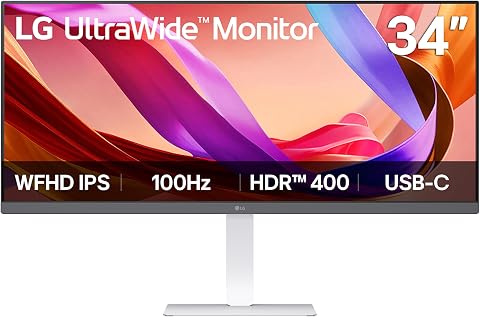 LG 34U530A-W 34-inch UltraWide WFHD IPS Computer Monitor with HDR and Adjusta…View on Amazon →
 - 5
 Samsung 34" ViewFinity S50GC Series Ultra-WQHD Monitor, 100Hz, HDR10, AMD Fre…View on Amazon →
 - 6
 LG 34U530A-W UltraWide 34-Inch FHD IPS Monitor with USB-C and Speakers BundleView on Amazon →
 - 7
 Sceptre 34-Inch Curved Ultrawide WQHD Monitor (3440 x 1440), 180Hz/165Hz, Dis…View on Amazon →
 - 8
 ViewSonic VX3276-MHD 32 Inch 1080p IPS Monitor with HDMI and DisplayPortView on Amazon →
 - 9
 CRUA 34 Inch 165Hz UWQHD IPS Ultrawide Gaming Monitor with Speakers and PIP/PBPView on Amazon →
Implications of Leading AI Technologies for Industry and Society
The forecasted rise of these nine AI technologies indicates a transformative impact on sectors such as healthcare, transportation, finance, and entertainment. Their adoption could lead to increased automation, improved decision-making, and new capabilities, but also raises concerns about ethical use, privacy, and job displacement. Understanding which technologies will lead helps stakeholders prepare for future shifts and investments.
Current State of AI Development and Market Trends
Over the past decade, AI has transitioned from experimental algorithms to integral components of commercial products. Large language models like GPT-4 have demonstrated the potential of natural language processing, while advances in autonomous systems are pushing forward self-driving vehicles and robotics. Investment in AI startups and research initiatives has surged, reflecting confidence in these technologies’ future.
However, predicting the exact leaders involves considering ongoing research, regulatory environments, and technological hurdles. While some technologies like AI chips and explainable AI are already gaining traction, others such as multimodal AI and privacy-preserving AI are still in early development stages but hold significant promise for the future.
“These nine AI technologies represent the most promising avenues for industry transformation by 2026, driven by both technological breakthroughs and strategic investments.”
— Dr. Lisa Chen, AI Researcher at TechFuture Institute
Unconfirmed Aspects and Challenges for 2026 Leadership
While predictions are based on current trends, it is not yet clear which of these nine AI technologies will actually dominate by 2026. Factors such as regulatory hurdles, ethical concerns, hardware limitations, and unforeseen breakthroughs could alter the predicted landscape. The pace of technological development and market acceptance remains uncertain, and some technologies may face delays or setbacks.
Next Steps for Industry and Researchers
Industry stakeholders and researchers are expected to continue investing in these nine areas, with upcoming conferences and funding rounds likely to shed light on progress. Monitoring technological milestones, regulatory policies, and market adoption over the next two years will be critical. Additionally, collaborations between academia and industry could accelerate development and address existing challenges, shaping the actual leaders of 2026.
Key Questions
Which AI technology is most likely to lead by 2026?
While predictions favor large language models and autonomous systems, the actual leader will depend on technological breakthroughs and market acceptance, which are still uncertain.
What challenges could delay AI progress by 2026?
Regulatory restrictions, ethical concerns, hardware limitations, and unforeseen technical hurdles could slow development and deployment of these technologies.
How will these AI technologies impact society?
They could enhance automation, decision-making, and productivity but also raise issues related to privacy, job displacement, and ethical use that need to be managed carefully.
Are these predictions based on confirmed market data?
No, they are based on current research trends, investments, and expert forecasts, but actual market leadership remains uncertain and subject to change.
Source: ThorstenMeyerAI.com
Fall Picks
fall essentials
As an affiliate, we earn on qualifying purchases.