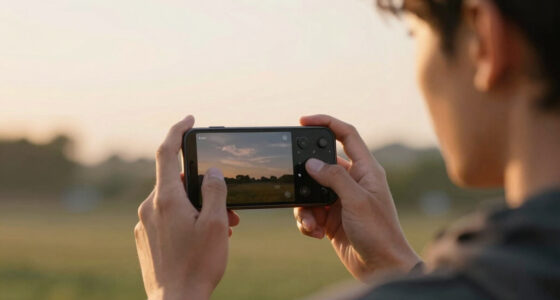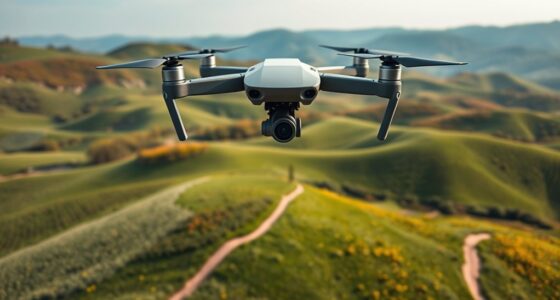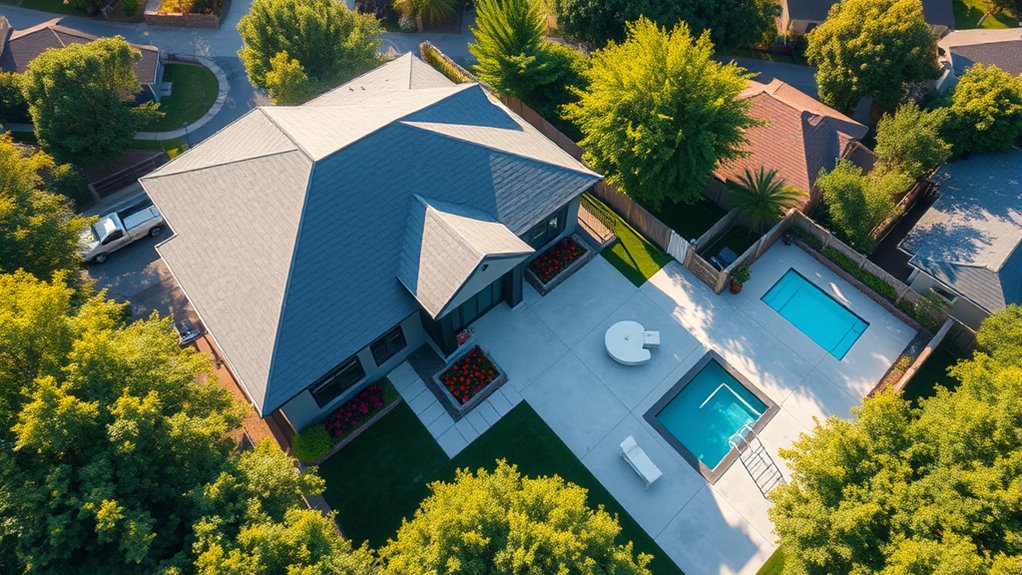

To sell homes from above, choose a drone with high-resolution 4K video and strong stabilization to capture smooth, eye-catching aerial shots. Plan your flight path carefully to highlight key features like landscaping, outdoor amenities, and scenic views during golden hour for warm lighting. Combine aerial and ground visuals seamlessly, using professional editing techniques to enhance colors and stability. Ensuring safety and compliance is essential, and exploring emerging drone tech can give you a competitive edge—keep going to discover more tips.

Get the latest gadgets delivered free with Prime
- Fast, free delivery on millions of items
- Prime Video, Amazon Music and more included
- Member-only deals all year
Key Takeaways
- Use high-resolution drones with 4K video and advanced stabilization for clear, professional aerial shots that showcase property features effectively.
- Plan flight routes to highlight key features like pools, gardens, and scenic views from optimal angles during golden hour for best lighting.
- Integrate aerial and ground-level images with consistent color grading and smooth transitions to create a cohesive, engaging property tour.
- Edit footage with color correction and stabilization to produce crisp, vibrant visuals that enhance property appeal.
- Ensure safety and legal compliance by obtaining necessary certifications, respecting privacy laws, and staying updated on drone regulations.
Products Worth Considering

Apple iPad Air 13-inch (M4), 128GB, Wi-Fi 7, Space Gray

LG UltraGear 32GX850A-B 32-Inch 4K UHD Glossy OLED Gaming Monitor

Logitech MX Master 4 for Mac, Ergonomic Bluetooth Mouse with Haptic Feedback, Ultra-Fast Scrolling, USB-C Charging, for MacOS, iPadOS, Windo
As an affiliate, we earn on qualifying purchases.
Choosing the Right Drone for Real Estate Photography
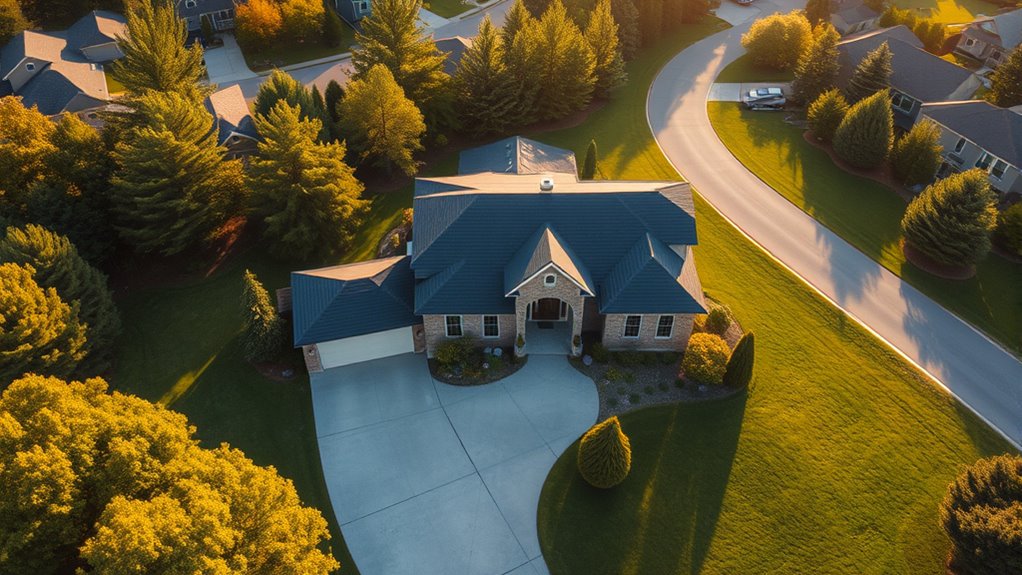
Choosing the right drone for real estate photography is vital to capturing high-quality, compelling aerial images that attract buyers. You need a drone that offers excellent camera capabilities, such as 4K video and high-resolution photos, to showcase properties effectively. Look for models with strong stabilization features to guarantee smooth footage and sharp images, even in windy conditions. Automated flight modes and GPS-assisted features help you plan consistent shots, saving time and effort. Consider flight time; longer battery life allows for more extensive shoots without interruption. Safety and compliance are essential, so choose a drone that’s easy to operate and meets local regulations. Investing in a reliable, advanced drone ensures you produce professional-looking visuals that stand out in competitive real estate markets. Additionally, understanding contrast ratio can help you evaluate how well a drone’s camera performs in varying lighting conditions, ensuring your images have the desired depth and clarity. Moreover, selecting a drone with advanced sensors can enhance safety and obstacle avoidance during complex flight paths. To optimize your shots, consider integrating smart home technology features that can assist in automated flight planning and data collection. Regularly testing your drone’s connectivity range can prevent interruptions during critical shoots and ensure you capture every detail effectively.
Planning Your Flight Path for Maximum Impact

Start by pinpointing the property features you want to highlight, like pools, gardens, or scenic views. Then, plan your flight routes to capture these areas from the best angles, ensuring seamless transition and thorough coverage. This focused approach helps you create impactful footage that showcases the property’s most attractive aspects. To enhance your strategy, consider incorporating professional branding into your footage to attract potential buyers and increase sales opportunities. Additionally, understanding drone safety regulations ensures your flights are compliant and risk-free, ultimately protecting your investment and reputation. Being aware of privacy policies also helps you manage data and avoid potential legal issues during your shoots. Incorporating local regulations can further ensure your drone operations are lawful and smooth.
Identify Key Property Features
Have you considered which property features will make your drone footage stand out? Start by identifying the elements that highlight the home’s best qualities—like a stunning pool, landscaped gardens, or panoramic views. Focus on large, attractive outdoor spaces that appeal to buyers and showcase the property’s scale. Highlight unique features such as a private tennis court, outdoor kitchen, or extensive decking, which add value and interest. Capture areas that demonstrate the property’s size, like spacious yards or surrounding acreage. Think about the property’s orientation and lighting—shoot when natural light enhances key features. Prioritize elements that tell a story about lifestyle and luxury, ensuring your aerial shots emphasize the property’s most compelling and marketable aspects.
Map Optimal Flight Routes
Mapping ideal flight routes is essential to capturing compelling aerial footage that highlights a property’s best features. Planning your flight path ensures you cover key areas and create a cohesive visual story. To maximize impact, consider:
- Starting with wide-angle shots that showcase the entire property and its surroundings.
- Focusing on unique features like pools, gardens, or outdoor living spaces with close-up, detailed shots.
- Sequencing your routes to smoothly shift between different angles and perspectives.
- Repeating key shots from different heights or angles to emphasize size and layout.
- Incorporating aerial photography principles to ensure your footage is both visually appealing and informative.
Capturing Aerial Shots at Optimal Times of Day
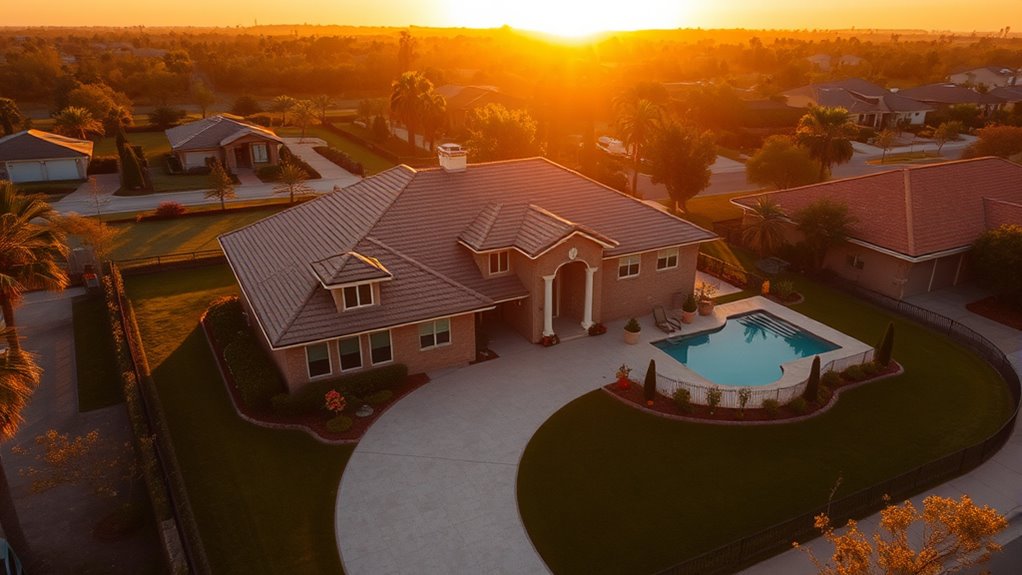
Capturing aerial shots at the right time of day can dramatically enhance the visual impact of your real estate listings. The lighting conditions and sun position influence the mood, shadows, and color vibrancy in your photos. Early morning or late afternoon, during golden hour, offers warm, soft light that highlights textures and details without harsh shadows. Midday shots can cause stark shadows and washed-out colors, reducing appeal. Timing your shoot ensures ideal clarity and aesthetic quality. Additionally, understanding aesthetic appeal can help you choose the best time for capturing stunning images. Recognizing lighting conditions can further improve the quality of your aerial photography by aligning your shoot with natural light that complements the property. Being aware of natural lighting patterns can also help you plan shots that maximize visual interest and property features. Paying attention to sun position can help avoid unflattering shadows and ensure optimal illumination of the property.
Highlighting Unique Property Features From the Air

Highlighting unique property features from the air allows you to showcase what sets a listing apart and captures buyers’ attention instantly. Use your drone to emphasize key aspects that make the property special. Consider these strategies:
- Focus on outdoor amenities like pools, tennis courts, or patios, capturing their full scope from above.
- Highlight landscaping details, such as gardens, trees, or unique yard layouts, to emphasize curb appeal.
- Showcase panoramic views, whether of mountains, lakes, or cityscapes, to enhance the property’s surroundings.
- Capture the property’s spatial layout, including property boundaries and proximity to nearby features, to give buyers a broad overview. Utilizing a garage door opener can help ensure the drone footage is smooth and steady during shooting. Incorporating thermal behavior insights can further enhance how you present property features, especially for large outdoor areas and landscape elements. Understanding aerial photography best practices can also improve the overall quality of your drone shots and ensure your visuals stand out. Additionally, being aware of security zone info can help you avoid legal issues while capturing footage in restricted areas. Moreover, applying stabilization techniques can significantly improve the clarity and professionalism of your aerial footage.
Combining Aerial and Ground-Level Images for a Complete View

To give buyers a full understanding of a property, you should combine aerial and ground-level images for seamless visual connections. This approach highlights key features from different perspectives, making listings more engaging. By effectively integrating these shots, you can create a complete, compelling view that captures the property’s best qualities. Incorporating visual storytelling techniques can further enhance the overall impact of your photography, helping to highlight architectural details and tell a cohesive story about the home.
Seamless Visual Transitions
Seamless visual shifts between aerial and ground-level images create a cohesive and engaging property showcase that captures every aspect of a home’s appeal. To achieve this, consider these strategies:
- Use consistent lighting and color grading across all images to maintain visual harmony.
- Incorporate smooth crossfades, like fade-ins or pan shots, when moving between aerial and ground views.
- Plan your shots to align perspectives, ensuring ground-level shots complement aerial angles.
- Keep camera angles and focal points aligned to guide viewers naturally from one scene to the next.
Highlighting Property Features
Combining aerial and ground-level images allows you to showcase a property’s most compelling features from multiple perspectives, giving potential buyers a thorough understanding of the home and its surroundings. Use aerial shots to highlight the overall layout, outdoor amenities, and landscape design. Pair these with ground-level photos to focus on interior details, unique architectural elements, and key selling points like a spacious kitchen or luxurious bathroom. By integrating both views, you create a holistic visual story that captures the property’s full appeal. Emphasize features such as pools, gardens, patios, or scenic views from above, while ground shots can showcase interior flow and craftsmanship. This strategic combination helps buyers visualize living in the space and increases the chances of a quick, successful sale. Incorporating aerial photography techniques can further enhance your listing and attract more interest from potential buyers.
Utilizing High-Resolution Video to Showcase Property Details

High-resolution video has become a powerful tool for showcasing property details with stunning clarity and depth. It allows you to highlight key features and give potential buyers a virtual walkthrough that feels immersive. To make the most of this, consider these tips:
- Use smooth, steady camera movements to focus on important areas like kitchens, bathrooms, and outdoor spaces.
- Capture close-ups of unique finishes, fixtures, or architectural details to emphasize quality.
- Incorporate dynamic shots that *progression* seamlessly between rooms and exterior views for a cohesive flow.
- Highlight outdoor amenities, such as pools or gardens, with sweeping shots that illustrate scale and appeal.
Editing and Enhancing Drone Footage for Professional Appeal

You can make your drone footage stand out by applying color correction techniques that enhance natural tones and highlight key features. Stabilization and sharpening tools help guarantee your shots are smooth and crisp, creating a professional look. When you focus on these editing strategies, your videos will attract more buyers and elevate your listings’ appeal.
Color Correction Techniques
Effective color correction transforms drone footage into polished, professional visuals that captivate potential buyers. It enhances the overall look, making images more vibrant and realistic. To achieve this, consider these steps:
- Adjust the white balance to ensure natural-looking colors, avoiding overly warm or cool tones.
- Enhance contrast to add depth, making details like rooftops and landscaping pop.
- Fine-tune saturation carefully, boosting colors without oversaturation for a true-to-life appearance.
- Use curves or levels to balance exposure, ensuring shadows aren’t too dark and highlights aren’t blown out.
Stabilization and Sharpening
Stabilization and sharpening are essential steps in transforming drone footage into polished, professional visuals that captivate viewers. Stabilization smooths out shaky camera movements, ensuring your shots look steady and confident. Use editing software like Adobe Premiere Pro or DaVinci Resolve to stabilize footage without sacrificing quality. Once stabilized, sharpening enhances details, making features like landscaping, architectural lines, and property features stand out. Be cautious not to oversharpen, as this can introduce noise or create an unnatural look. Apply subtle sharpening filters to improve clarity while maintaining a natural appearance. Combining stabilization and sharpening techniques results in crisp, smooth footage that highlights your property’s best features, boosting its appeal and increasing the chances of attracting serious buyers.
Ensuring Safety and Compliance During Drone Operations
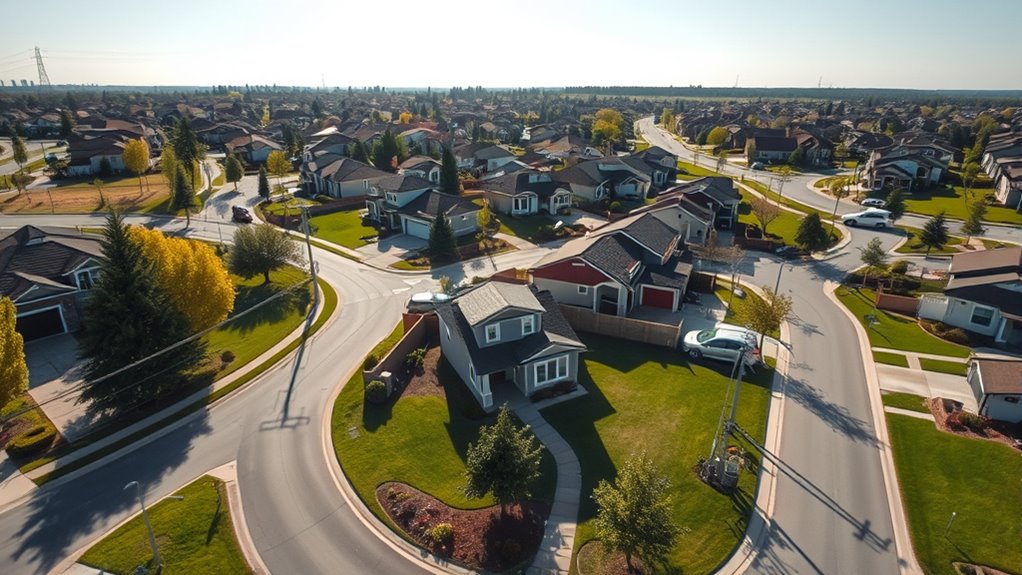
Ensuring safety and compliance during drone operations is essential to prevent accidents, legal issues, and damage to property. To stay compliant, follow these steps:
- Obtain necessary certifications — get FAA Part 107 or local licenses to operate legally.
- Check airspace restrictions — avoid no-fly zones, airports, and crowded areas.
- Respect privacy laws — don’t capture images over private property without permission.
- Maintain proper equipment — regularly inspect your drone for mechanical issues and ensure safe battery use.
Incorporating Drone Shots Into Virtual Tours and Listings

Incorporating drone shots into virtual tours and listings considerably enhances the online viewing experience by providing dynamic, high-quality visuals that capture a property’s full scope. You should use aerial footage to showcase key features like the roof, backyard, outdoor amenities, and surrounding landscape, giving potential buyers a thorough perspective. Combine these shots with ground-level images and virtual walkthroughs to create an immersive experience that highlights the property’s best attributes. Emphasize unique features such as pools, gardens, or panoramic views with smooth, well-composed footage. High-resolution images and videos help attract tech-savvy buyers who expect professional, visually appealing content. Regularly update your drone footage to reflect seasonal changes and improvements, ensuring your listings stay fresh and engaging.
Staying Updated With Emerging Drone Technologies and Trends

To keep your real estate listings ahead of the curve, staying updated with emerging drone technologies and trends is vital. You need to adapt quickly to new tools and techniques that enhance your marketing efforts. Consider these key advancements:
- 4K and 8K Video – Upgrading to ultra-high-definition footage offers sharper, more immersive visuals.
- AI-Powered Editing – Real-time enhancements streamline post-production, saving you time.
- Automated Flight Paths – Consistent, repeatable shots ensure professional quality and highlight key features.
- 3D Mapping & Virtual Tours – These tools provide detailed, interactive property views that attract modern buyers.
Frequently Asked Questions
How Can I Reduce Drone Photography Costs Without Sacrificing Quality?
You can cut drone photography costs without sacrificing quality by hiring certified pilots for professional results, which guarantees safety and compliance. Opt for bundled packages that include both photos and videos to get more value. Use automated flight paths and high-quality drones with advanced stabilization features to reduce editing time. Additionally, schedule shoots during ideal lighting conditions to maximize image quality, saving you time and money in post-production.
What Are the Best Legal Practices for Flying Drones Over Private Property?
Legal limits, licenses, and local laws are your first considerations. You should always secure proper permits and certifications before flying over private property. Respect privacy by avoiding intrusive angles and obtaining owner permission when possible. Stay within authorized altitudes and avoid no-fly zones like airports or military bases. By balancing careful compliance with courteous conduct, you can confidently capture engaging aerial shots without risking legal liabilities or privacy breaches.
How Do Weather Conditions Affect Drone Shot Quality and Safety?
Weather conditions directly impact your drone shot quality and safety. Wind can cause instability, leading to blurry images or crashes, so avoid flying in strong gusts. Rain and snow reduce visibility and can damage your drone, risking malfunctions. Bright sunlight creates harsh shadows and glare, affecting image clarity. Always check weather forecasts, and postpone shoots during storms or extreme conditions to guarantee safety and capture high-quality, clear aerial shots.
Can Drone Photography Be Integrated With 3D Virtual Tours Effectively?
Yes, you can effectively integrate drone photography with 3D virtual tours. Use drones to capture high-quality aerial images and videos that showcase the property’s exterior, surroundings, and unique features. Incorporate these visuals into the virtual tour to create an immersive experience. Automated flight paths and 3D mapping tools help produce consistent, detailed views, engaging potential buyers and providing them with a thorough understanding of the property from above and within.
What Are Upcoming Drone Innovations That Could Impact Real Estate Marketing?
Upcoming drone innovations are set to open new doors for your real estate marketing. Imagine having a camera that not only captures stunning 4K videos but also creates real-time 3D property models with AI-powered software. Automated flight paths will make your shots more consistent, and improved obstacle avoidance will boost safety. These advancements will let you showcase properties more creatively, engaging buyers like never before and making your listings stand out in a crowded market.
Conclusion
Mastering drone photography can turn your listings into jaw-dropping, must-see properties that buyers can’t ignore. With the right gear, timing, and creativity, you’ll capture stunning shots that make your homes stand out in a sea of listings. Embrace the latest tech and safety tips, and you’ll create visuals so mesmerizing, they’ll practically sell themselves. Get ready to elevate your real estate game to heights you never thought possible—literally!