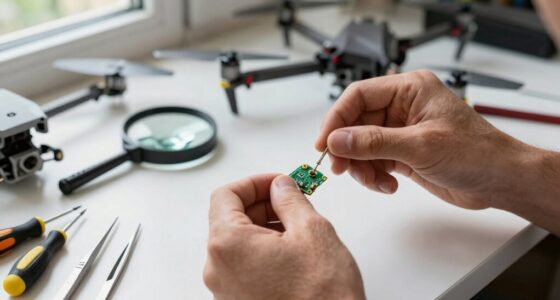
ELRS has revolutionized your FPV flying by boosting control, responsiveness, and reliability. It offers longer range, lower latency, and more stable connections, so you can perform sharper turns and complex maneuvers with confidence. The open-source setup means you can customize and innovate easily, keeping your system fresh and tailored to your style. Plus, it improves battery efficiency and reduces signal drops. If you’re curious about how these changes can elevate your flying, there’s much more to discover.

Get the latest gadgets delivered free with Prime
- Fast, free delivery on millions of items
- Prime Video, Amazon Music and more included
- Member-only deals all year
Key Takeaways
- ELRS offers enhanced control, allowing pilots to perform sharper turns and complex maneuvers with greater precision.
- It fosters a vibrant open-source community, driving continuous updates and innovative features for FPV systems.
- Improved data efficiency extends flight times and reduces battery costs, enabling longer and more exploratory flights.
- ELRS increases reliability by minimizing signal drops, boosting pilots’ confidence in executing advanced maneuvers.
- Its easy setup and future-proof updates make FPV flying more accessible, customizable, and enjoyable for pilots of all skill levels.
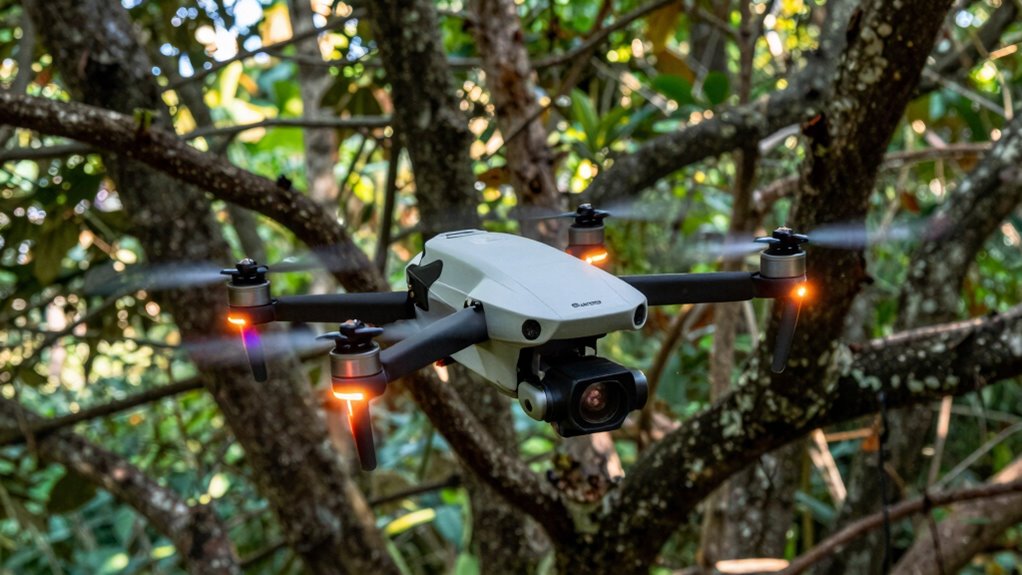
If you’re into FPV flying, understanding the role of ELRS (ExpressLRS) can considerably enhance your experience. This open-source radio system revolutionizes how you control your drone, offering increased range, lower latency, and better reliability. With ELRS, you notice a significant boost in aerial agility—you can perform sharper turns, smoother progressions, and more precise maneuvers without worrying about signal drops or lag. This heightened responsiveness allows you to push your limits, explore new flying styles, and enjoy a more immersive experience. As a pilot, you’ll appreciate how quickly you can react to obstacles or make delicate adjustments, making every flight more dynamic and confident. Additionally, ELRS’s open-source nature encourages ongoing community development, ensuring the system stays updated with new features and improvements. Battery efficiency is another key benefit that ELRS brings to FPV pilots. Since ELRS transmits data more efficiently than traditional systems, your drone consumes less power during operation. This means longer flight times, giving you more opportunities to practice, film, or explore without constantly worrying about your battery life. The system’s ability to maintain a stable connection over longer distances also reduces the need for you to hover near your transmitter, further conserving battery power. Furthermore, this improved efficiency can translate into cost savings, as you’ll replace batteries less frequently and get more value out of each charge. Plus, the reduced energy drain contributes to less heat generation in your drone’s electronics, which can help extend the lifespan of your components. Another aspect where ELRS changes the game is in your overall flying confidence. With its robust and customizable features, you can tailor the system to match your skill level and flying style. The lower latency and improved signal strength mean you’re less likely to experience frustrating disconnections or lag, giving you a more seamless flight experience. This reliability encourages experimentation, so you can try advanced maneuvers without hesitation. The customizability of ELRS allows pilots to optimize settings based on their preferences and environment, further enhancing control. Additionally, the open-source nature of ELRS facilitates rapid innovation and adaptation, keeping it ahead in the evolving FPV landscape. As you get more comfortable, your aerial agility naturally improves, and your flights become more fluid and precise. The open-source aspect also means that users can contribute to and benefit from a vast array of community modifications, further personalizing their experience. Additionally, the ease of setup and the community-driven development behind ELRS mean you’re always on the cutting edge, with updates and features that refine your flying experience. In essence, ELRS has redefined what it means to pilot an FPV drone. It’s not just about better control or longer flights; it’s about transforming your entire approach to flying—making it more agile, efficient, and enjoyable. Whether you’re a seasoned pilot or just starting out, embracing ELRS opens up new horizons in FPV flying, helping you achieve new levels of performance and fun.
Products Worth Considering

DJI Osmo Mobile 8 Smartphone Gimbal with Mic Mini Transmitter, Infinity Black

DJI Osmo Mobile 7P Smartphone Gimbal Stabilizer with Mic Mini Transmitter, Infinity Black

Bose SoundLink Flex Bluetooth Speaker (2nd Gen) – Portable Outdoor Speaker with Hi‑Fi Audio, Waterproof and Dustproof, USB‑C, Up to 12 Hours
As an affiliate, we earn on qualifying purchases.
Frequently Asked Questions
How Does ELRS Improve Flight Range Compared to Traditional Systems?
ELRS improves your flight range by providing better signal stability and interference reduction. You’ll notice fewer signal drops, even at longer distances, allowing you to push your drone farther without losing control. Its robust communication system minimizes interference from other devices or environmental factors, giving you confidence to explore new areas and fly more freely. This enhanced range and stability make your FPV experience smoother and more reliable than traditional systems.
Is ELRS Compatible With All FPV Drone Models?
ELRS isn’t compatible with all FPV drone models out there. You need to check your drone’s flight controller compatibility first, as ELRS requires specific firmware and hardware support. While it doesn’t directly impact camera stabilization, using ELRS with compatible flight controllers enhances your flying experience. Before upgrading, verify your drone’s hardware supports ELRS to avoid issues and maximize its benefits for longer range and reliable control.
What Is the Setup Process for ELRS on a New Drone?
Imagine you’re stepping into the future with your new drone. To set up ELRS, follow the installation guide by connecting the receiver and flashing the firmware via your preferred software. Bind your transmitter, then calibrate your controls. If you run into issues, troubleshooting tips like checking connections and firmware versions help. Once set, you’ll enjoy ultra-low latency, making flying smoother and more responsive than ever before.
How Does ELRS Affect Battery Life During Flights?
ELRS can improve battery life during your flights by optimizing power consumption and enhancing battery efficiency. Since ELRS transmits signals more efficiently, it reduces the power needed for communication, which conserves your drone’s battery. This means you get longer flight times without sacrificing control. Keep in mind that settings like transmission power can influence power consumption, so adjusting them appropriately helps maximize your drone’s battery life during each flight.
Are There Any Future Updates Planned for ELRS?
Yes, future updates for ELRS are planned. The development team is focusing on antenna optimization to improve signal clarity and reduce interference, which is essential since ELRS already offers a 75% lower latency than traditional systems. They aim to enhance reliability and range further, addressing signal interference issues. These updates will help pilots enjoy even more stable connections, making flying smoother and more precise.
Conclusion
ELRS has truly revolutionized FPV flying, giving you greater range, reliability, and control than ever before. As the saying goes, “the sky’s the limit,” and with ELRS, you’re free to push those boundaries further. It’s not just about flying; it’s about experiencing your craft with newfound confidence and precision. Embrace the change, and watch how your skills and adventures take off to new heights. The future of FPV is brighter—and closer—than you think.