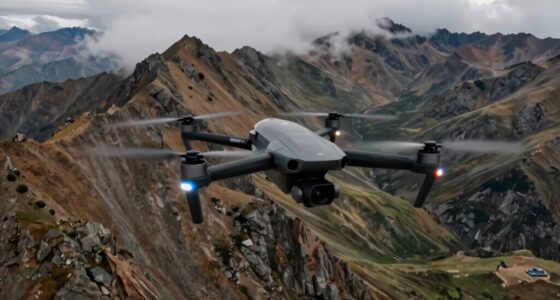
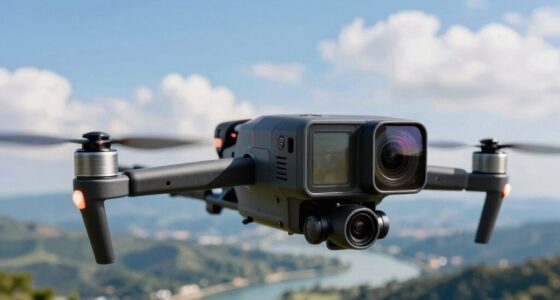
Learning curve shock in FPV flying can feel overwhelming as you try to master new skills, understand your equipment, and navigate different environments all at once. It’s normal to feel confused or frustrated at first, but remember that patience and consistent practice are key. Small, manageable flights and routine maintenance help build your confidence over time. Keep going—you’ll discover how steadily overcoming these challenges makes flying more enjoyable and rewarding.

Get the latest gadgets delivered free with Prime
- Fast, free delivery on millions of items
- Prime Video, Amazon Music and more included
- Member-only deals all year
Key Takeaways
- Learning curve shock arises from mastering complex equipment, environment, and control simultaneously, overwhelming new pilots.
- Small, manageable flights and routine maintenance help ease the shock and build confidence gradually.
- Embracing mistakes as learning opportunities reduces frustration and accelerates skill development.
- Proper equipment care and pre-flight checks prevent crashes, boosting safety and reducing shock.
- Consistent practice and patience are essential for overcoming initial challenges and achieving long-term FPV flying success.

Flying FPV drones for the first time can be a challenging experience, especially when the learning curve hits hard. You might feel overwhelmed trying to balance controlling the drone, understanding the equipment, and managing your environment. One of the biggest hurdles is mastering drone maintenance. Keeping your drone in good shape isn’t just about fixing it when it breaks — it’s about proactive care. You need to regularly check the motors, clean the camera lens, and tighten loose screws. Neglecting these details can lead to crashes or, worse, damage that puts your entire setup out of commission. As you gain experience, you’ll recognize that consistent drone maintenance is crucial for smooth flights and longevity. It’s a routine that helps you avoid surprises and keeps your drone performing at its best. Understanding proper battery management is also essential for safe and efficient flying. Developing a good understanding of equipment care can significantly improve your flying experience, especially when you learn how to troubleshoot common issues early on. Recognizing the importance of routine checks can prevent many problems before they happen. Additionally, becoming familiar with pre-flight inspections can further reduce the risk of failures during flight.
The learning curve shock often hits hardest when you realize how much there is to learn about your equipment and environment. But the key is to embrace the process. Start with small, manageable flights, and don’t rush through drone maintenance or battery management. Each flight teaches you more about how your drone responds and what it needs. Over time, these tasks become second nature, and the shock of initial challenges diminishes. Consistently practicing routine maintenance helps build confidence and reduces the likelihood of unexpected failures. Remember, everyone faces setbacks in FPV flying—it’s part of the learning journey. Staying patient, practicing regularly, and paying attention to maintenance and battery care will help you build confidence. Ultimately, the thrill of flying and capturing stunning footage will outweigh those early struggles once you get the hang of it.
Products Worth Considering

Apple AirPods Pro 3 Wireless Earbuds with Active Noise Cancellation

Anker SOLIX C200 DC Portable Power Station, 192Wh, 200W

LG 34GX90SA-W 34-inch Ultragear WQHD OLED Curved Gaming Monitor
As an affiliate, we earn on qualifying purchases.
Frequently Asked Questions
How Long Does It Typically Take to Overcome Learning Curve Shock?
It usually takes around 10 to 20 hours of dedicated practice to overcome learning curve shock in FPV flying. During this time, you’ll improve your aerial agility and learn to manage your battery better. Don’t get discouraged if progress feels slow at first; consistency is key. As you gain experience, you’ll start executing smoother maneuvers and managing your drone’s power more efficiently, making flying more enjoyable and less stressful.
What Are the Best Beginner-Friendly FPV Drones?
Think of beginner-friendly FPV drones as training wheels for your flying journey. Models like the Tinyhawk II or the BetaFPV Scout S are perfect choices, offering excellent aerial agility and flight stability. These drones are forgiving, help you build confidence, and make learning smooth rather than bumpy. With their user-friendly design, you’ll quickly develop skills, making your first flights enjoyable and setting a solid foundation for more advanced FPV adventures.
How Can I Improve My FPV Flying Skills Faster?
To improve your FPV flying skills faster, focus on practicing advanced maneuvering techniques regularly. Challenge yourself with complex circuits and tight turns to build confidence and precision. Additionally, customize your drone to suit your style, upgrading components for better responsiveness. Consistent practice combined with experimenting through drone customization helps you learn faster and develop smoother, more confident flying, ultimately reducing your learning curve and boosting your skills efficiently.
What Safety Precautions Should I Take During FPV Flying?
You should always wear protective goggles and avoid flying near people or animals to stay safe during FPV flying. Keep your drone well-maintained to prevent crashes, and practice in open, unobstructed areas to master aerial acrobatics safely. Regular drone maintenance guarantees reliable performance, reducing risks. Additionally, familiarize yourself with local regulations and always fly within your skill level to prevent accidents and enjoy flying responsibly.
Are There Specific Training Programs for FPV Beginners?
Yes, there are specific training programs for FPV beginners. These programs often focus on aerial cinematography and drone racing, helping you develop essential skills like control, navigation, and safety. You’ll learn through hands-on practice and guided lessons, ensuring you build confidence and reduce learning curve shock. Many courses also include simulated flying, which prepares you for real-world conditions and enhances your ability to capture stunning footage or race effectively.
Conclusion
Once you push through the initial learning curve shock, you’ll realize it’s nothing short of a mind-bending journey—like revealing a secret dimension of flight. Embrace the challenge, because every crash and misstep sharpens your skills, transforming you into a true FPV pilot. Remember, the struggle is fleeting, but mastery lasts forever. Keep flying, stay persistent, and soon you’ll be soaring with the grace of a bird, conquering the skies like a legend.