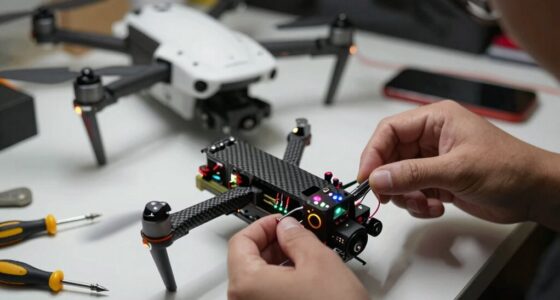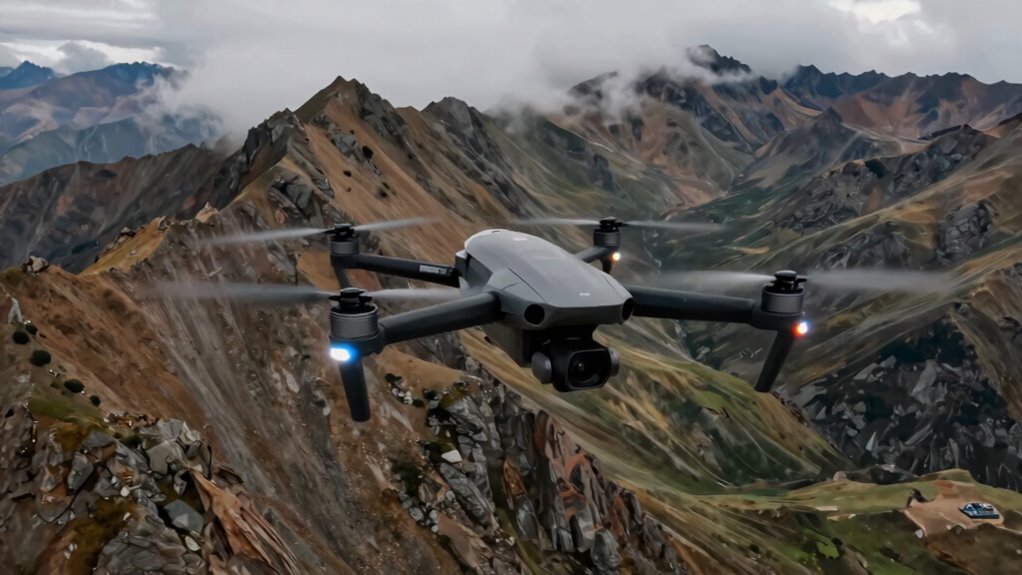

To think about long-range FPV realistically, focus on planning and technical knowledge instead of romantic notions of adventure. Prioritize battery management, signal stability, and environmental awareness to avoid surprises or crashes. Understand the risks involved and prepare for troubleshooting, maintaining equipment, and respecting safety limits. Stay pragmatic about what’s achievable, and keep expectations grounded. If you want to develop a strong, safe approach, there’s more to contemplate as you explore best practices.

Get the latest gadgets delivered free — and shop member deals
- Fast, free delivery on millions of items
- Access to Prime Big Deal Days deals on October 6–7
- Prime Video, Amazon Music and more included
Key Takeaways
- Prioritize technical knowledge and equipment maintenance over adventurous notions of extended range.
- Recognize signal interference and environmental factors as practical challenges, not just obstacles.
- Maintain realistic expectations about flight duration, potential failures, and safety risks.
- Focus on proper planning, route selection, and backup strategies rather than romanticizing long-distance flying.
- Approach long-range FPV as a skill that requires patience, preparation, and safety awareness, not just thrill-seeking.
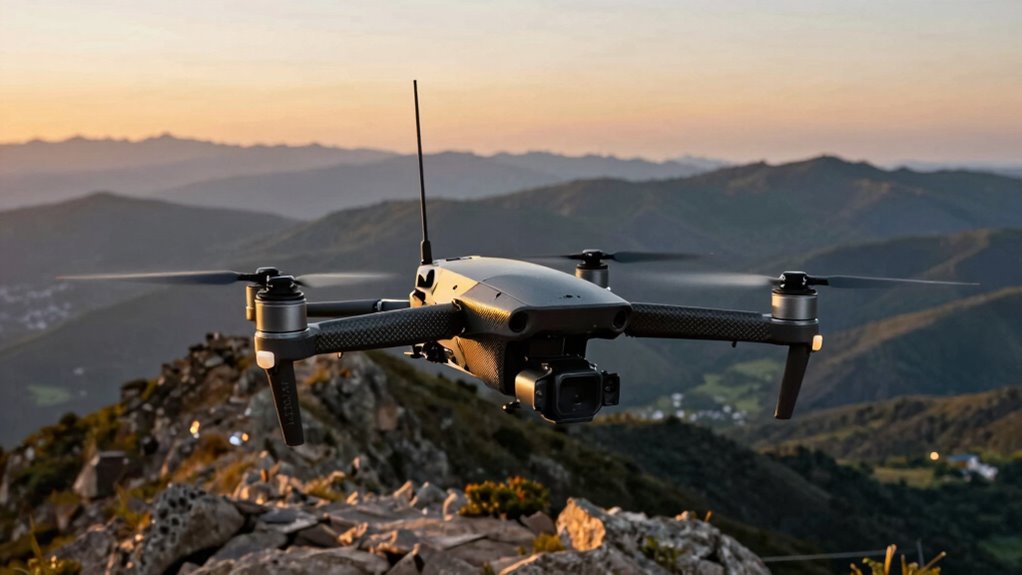
Flying long-range FPV can be incredibly rewarding, but it requires careful planning and the right techniques to guarantee a smooth experience. One of the most critical factors to contemplate is battery efficiency. Since you’re pushing your drone to its limits, you need to optimize how long your battery lasts without sacrificing performance. Use batteries with a high mAh rating and ensure they’re properly maintained. Regularly check your voltage levels before each flight to avoid unexpected power loss mid-air. It’s tempting to push for maximum flight time, but balancing battery health with your flight duration is essential. Carry spare batteries and plan your routes to stay within your drone’s reliable power range, so you don’t find yourself stranded far from home.
Optimize your battery with high mAh cells, regular voltage checks, and spare packs for longer, safer long-range FPV flights.
Signal interference is another challenge you’ll face during long-range flights. As you extend your range, the likelihood of encountering interference increases from sources like Wi-Fi networks, radio towers, or even other RC devices. To mitigate this, choose your flying location wisely—prefer open areas with minimal electronic clutter. Make sure your radio transmitter and receiver are on a clear, less congested frequency, and consider using frequency hopping or spread spectrum technology if your gear supports it. Always conduct pre-flight checks to identify potential interference points, and adjust your antenna placement to maximize signal strength. Remember, even small obstacles or reflective surfaces can introduce noise, so stay vigilant. Battery management is crucial for maintaining optimal power and avoiding mid-flight failures. Additionally, understanding the radio frequency spectrum can help you select the best channels and reduce interference risks. Being aware of electronic clutter in your environment can help you plan better routes and avoid interference hotspots. To further improve your long-range flights, consider investing in advanced antenna systems that can significantly boost signal stability over greater distances.
Thinking about long-range FPV without romanticizing it means understanding the technical hurdles and preparing accordingly. It’s not just about flying far; it’s about maintaining control and image quality over extended distances. You need to be proactive with your equipment, ensuring your batteries are efficient and your signals are clear. Expect that your gear will encounter interference, and have strategies ready to counteract it. This might involve tweaking your antenna orientation, switching channels, or even temporarily landing to troubleshoot. Keeping a realistic perspective helps you avoid risky situations where equipment failure or signal loss could lead to crashes or damage.
Ultimately, long-range FPV isn’t just an adventure—it’s a test of your technical knowledge and preparedness. By focusing on battery efficiency and managing signal interference, you minimize risks and maximize your flying experience. Accept that setbacks happen, but view them as learning opportunities. When you approach long-range FPV with a clear, practical mindset, you’ll find it far more satisfying and safer, turning a challenging activity into a rewarding pursuit.
As an affiliate, we earn on qualifying purchases.
Frequently Asked Questions
What Are the Legal Restrictions for Long-Range FPV Flying?
You need to follow regulations for long-range FPV flying, including regulatory compliance with local authorities and airspace rules. Always stay within legal limits for altitude and distance, and avoid restricted areas like airports or military zones. Be mindful of privacy concerns—don’t fly over private property without permission, and respect others’ rights. Verifying your country’s specific drone laws ensures safe, legal, and responsible long-range FPV flying.
How Do Weather Conditions Affect Long-Range FPV Flights?
Weather variability greatly impacts your long-range FPV flights. Wind can push your drone off course, while rain and fog reduce visibility and affect signal strength. Thunderstorms cause signal interference and dangerous conditions, risking crashes. Clear, stable weather offers the best flying conditions, ensuring reliable control and minimal interference. Always check weather forecasts before flying, and avoid conditions that could compromise your drone’s safety or your control over it.
What Safety Precautions Should I Take During Long-Range FPV?
During long-range FPV flights, you should prioritize safety by managing your battery carefully and monitoring voltage levels to prevent crashes. Keep an eye on potential signal interference, which can disrupt control and cause accidents. Always plan your flight path, verify your equipment is in good condition, and avoid flying near power lines or crowded areas. Pre-flight checks and maintaining awareness of your surroundings help guarantee a safe, enjoyable experience.
How Do I Choose the Best Equipment for Long-Range FPV?
You scan the horizon, knowing the right equipment makes or breaks your flight. First, pick antennas that maximize your signal—directional or omnidirectional depending on your range. Then, prioritize battery management; choose lightweight batteries with high capacity to extend your flight time without sacrificing power. With precise antenna selection and careful energy planning, you’ll confidently push boundaries, keeping your drone connected even at the edge of sight—and beyond.
What Are Common Technical Issues in Long-Range FPV?
You’ll often face technical issues like battery performance drops and signal interference, which can disrupt your long-range FPV flights. Battery performance may decline with extended use or cold weather, causing power loss. Signal interference from other electronics or obstacles can weaken your video feed or cause disconnects. To minimize these problems, choose high-quality batteries, guarantee proper wiring, and use frequency hopping systems to reduce interference, maintaining a stable connection throughout your flight.
As an affiliate, we earn on qualifying purchases.
Conclusion
Thinking about long-range FPV without romanticizing it means understanding both its thrill and its risks. You’ll want to prepare thoroughly, respect the boundaries, and stay grounded in safety. Can you imagine flying over endless landscapes, feeling free yet responsible? Keep that balance in mind, and you’ll enjoy the adventure without losing sight of reality. Long-range FPV is an incredible experience—just make sure you approach it with clear eyes and a steady hand.
As an affiliate, we earn on qualifying purchases.
As an affiliate, we earn on qualifying purchases.
Fall Picks
fall essentials
As an affiliate, we earn on qualifying purchases.