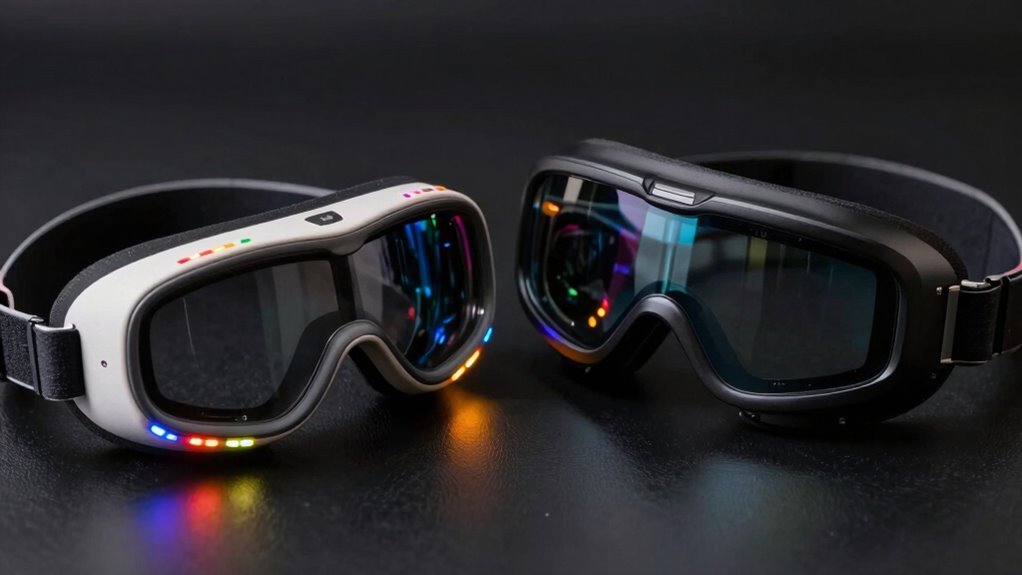
When choosing FPV goggles, consider your flying environment and priorities. Analog goggles offer longer battery life, simpler setup, and are great for casual flying, but they have lower image quality and are more prone to interference. Digital goggles provide sharper visuals, better stability, and reduce latency, making them ideal for complex environments or racing. Think about what matters most—flight time or image clarity—and explore the details ahead to make the best choice for your style.
Prime for Young Adults — start your free trial
Fast free delivery, streaming and member deals for eligible 18–24 year olds.
As an affiliate, we earn on qualifying purchases.
Key Takeaways
- Consider your environment: analog is better for casual flying and longer battery life; digital excels in interference-heavy areas.
- Prioritize image quality and latency: digital offers sharper visuals and lower delay, crucial for precise control.
- Evaluate power needs: analog systems consume less power, extending flight times, while digital systems require more battery capacity.
- Assess signal stability: digital goggles provide more reliable connections in complex or high-interference environments.
- Match technology to your flying style: analog suits relaxed flying; digital benefits high-speed, competitive, or professional FPV racing.
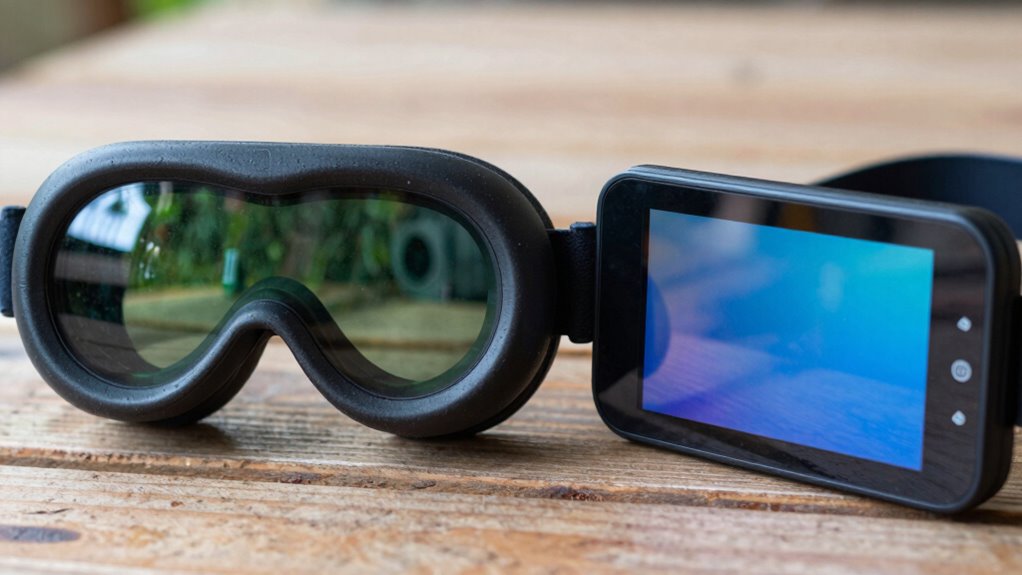
Choosing between analog and digital FPV goggles can seem intimidating, but understanding their core differences makes the decision easier. Both types serve the same purpose—helping you see what your drone sees—but they do so using different technologies, which impacts your flying experience. When comparing them, two key factors to consider are battery life and signal interference. Analog goggles tend to have longer battery life because they require less processing power and transmit lower-resolution signals, which means you can fly longer on a single charge. Digital goggles, on the other hand, usually consume more power due to their advanced processing and higher-resolution video transmission, so you might find yourself recharging more often. If extended flight time is a priority, analog might be more appealing, especially if you’re just starting out or doing casual flying. Additionally, digital systems often incorporate technology reviews and detailed specifications that can help you assess their performance more precisely.
Signal interference is another vital aspect where these two technologies diverge. Analog systems are more susceptible to interference from environmental factors like power lines, Wi-Fi signals, or other electronic devices. This interference can cause flickering, static, or signal loss, which can be frustrating and even dangerous during a flight. Digital systems typically offer a more stable connection, with less interference because they use encrypted, higher-frequency signals that are less prone to disruptions. This stability translates into a clearer, more reliable image, especially in complex environments with lots of potential sources of interference. If you often fly in areas with many electronic signals or need a dependable feed, digital goggles might be worth the investment. Moreover, the advancement of digital technology continues to narrow the performance gap between analog and digital systems, making digital options increasingly attractive.
Furthermore, advancements in digital technology continue to improve the overall video quality and reduce latency, making digital systems increasingly competitive with traditional analog systems. They often incorporate improved hardware and software that enhance user experience and durability. The continuous development of digital transmission methods also contributes to better performance and reliability, which benefits pilots in various environments. However, the trade-off comes with image quality and latency. Digital FPV goggles generally provide a sharper, more vibrant picture with higher resolution, making it easier to see fine details and navigate precisely. They also tend to have lower latency, which means your controls respond more quickly to what you see—vital for racing or precision flying. Analog goggles, while offering lower resolution, usually have higher latency, which can be noticeable in fast-paced flying. Still, they often have a more straightforward setup, making them easier to use and repair.
In the end, your choice depends on what you value most in your FPV experience. If long battery life and simplicity are your priorities, analog might suit you better. If you want a clearer image, less interference, and are willing to accept shorter flight times, digital goggles could be the smarter choice. By weighing these factors, you can pick the system that best aligns with your flying style and environment.
As an affiliate, we earn on qualifying purchases.
Frequently Asked Questions
How Does Latency Differ Between Analog and Digital FPV Goggles?
You’ll notice that digital FPV goggles typically have lower latency than analog ones, meaning your controls feel more responsive. While analog goggles might have slightly higher latency, they often provide better signal stability and lower video quality. Digital systems prioritize clear image quality, which can sometimes introduce minimal delay, but overall, digital offers a more seamless experience. Consider your flying style and environment when choosing between the two.
What Is the Typical Battery Life for Each Type of Goggles?
On average, analog goggles last around 2 to 4 hours, while digital goggles tend to last about 1.5 to 3 hours. The battery life comparison hinges on power consumption differences: digital systems generally consume more power due to higher resolution and processing demands, leading to shorter flight times. If extended use matters most, opt for analog, but if image quality is key, prepare for slightly quicker battery drain with digital goggles.
Are Digital Goggles More Durable Than Analog Options?
Digital goggles often have better build quality, making them more durable against impacts and wear. However, they can sometimes face compatibility issues with certain transmitters or receivers, which might affect longevity or performance. You should consider the build quality of specific models and verify compatibility with your gear. While they tend to be more resilient, always check for compatibility issues to avoid potential damage or functionality problems over time.
How Do Field of View (FOV) Compare in Analog Vs Digital Goggles?
You’ll find that digital goggles often offer a wider field of view (FOV), giving you a more immersive experience with better image quality. Analog goggles usually have a narrower FOV, which can limit your peripheral vision slightly. Signal stability is also essential; digital systems tend to provide a more consistent image with less interference, enhancing your overall experience. So, consider your preference for immersive FOV and stable signal when choosing goggles.
Can I Use Analog and Digital Goggles Interchangeably?
Yes, you can generally use analog and digital goggles interchangeably, but you need to take into account compatibility considerations like your drone’s video transmitter and receiver. Digital systems often require specific goggles designed for their signal, so mixing brands or types might not work. Cost differences are notable too; digital goggles tend to be more expensive but offer higher quality, while analog goggles are more affordable and widely compatible. Always check compatibility before switching between them.
As an affiliate, we earn on qualifying purchases.
Conclusion
In the end, choosing between analog and digital FPV goggles is like deciding whether to watch the world through a crystal-clear window or a futuristic, high-definition portal. While analog offers simplicity and low latency, digital promises a visual experience so immersive it’s practically teleportation. Your choice shapes your flying universe—so go ahead, pick the goggles that make your adrenaline soar and your flights feel like a leap into the future. The sky’s not the limit; it’s just the beginning.
FPV racing goggles with low latency
As an affiliate, we earn on qualifying purchases.
As an affiliate, we earn on qualifying purchases.
As an affiliate, we earn on qualifying purchases.
NFL season / tailgating Picks
team gear
As an affiliate, we earn on qualifying purchases.