Before starting your drone, thoroughly inspect the ground for obstacles like trees, power lines, tall grass, and uneven terrain. Check that the landing zone is free of debris, loose rocks, and sharp objects that could cause damage or instability. Confirm the surface is firm and stable, whether it’s a landing pad or solid ground. Be mindful of environmental conditions like wind or water nearby, and identify potential hazards. Keep safety in mind, and you’ll be ready to fly smoothly—so continue to explore for even more tips.
Key Takeaways
- Ensure the landing area is free of debris, loose rocks, and sharp objects that could damage props or affect stability.
- Check for obstacles like trees, power lines, tall grass, or uneven terrain that may interfere with safe flight.
- Confirm the ground surface is firm and stable to prevent tipping or instability during takeoff and landing.
- Assess environmental conditions such as wind, nearby water, or changing weather that could impact safety.
- Establish a clear safety perimeter, keeping bystanders and animals at a safe distance from the launch zone.
Before you fire up your drone or helicopter, it’s crucial to inspect the ground area thoroughly. Proper ground inspection is an essential step in guaranteeing drone safety and preventing accidents. Skipping this step can lead to costly damage, injury, or even legal trouble. Take a moment to scan the area carefully, looking for potential hazards that could interfere with your flight or damage your equipment. This proactive approach helps you identify and mitigate risks before the blades even start turning.
Start by checking for obstacles such as trees, power lines, tall grass, or uneven terrain. These elements can pose serious safety issues, especially if your drone unexpectedly drifts or loses control. Make sure the landing zone is clear of any debris, loose rocks, or sharp objects that could puncture the drone’s body or cause instability during takeoff. Clear, flat ground provides the most stable platform for your drone to launch safely and land smoothly.
Beyond physical obstacles, consider environmental factors that could influence drone safety. Wind conditions, nearby water bodies, or sudden changes in weather can all affect flight performance. If the area is windy or prone to gusts, you might want to postpone your flight or choose a different location. Water hazards like puddles or ponds near the launch site can cause damage if the drone accidentally crashes or lands in them. Conducting a thorough ground inspection means not only looking at the surface but also evaluating these wider environmental risks. Recognizing potential hazards is key to maintaining safety during your drone operations.
Additionally, evaluate the ground surface itself. Soft soil, sand, or loose gravel can cause instability during takeoff or landing, increasing the risk of tipping over or damaging the drone’s props. If the ground isn’t firm, consider creating a stable platform, like using a landing pad. Doing so minimizes the chances of unexpected movements that could compromise drone safety.
Furthermore, checking for ground stability helps ensure your drone remains balanced during takeoff and landing, preventing potential accidents. Finally, always check for any signs of recent activity or disturbances in the area. People, animals, or vehicles can suddenly enter the scene, creating unpredictable hazards. If possible, establish a safe perimeter around your launch site and keep bystanders at a distance. Conducting a thorough ground inspection ensures your environment is safe and suitable for flying, giving you peace of mind and reducing the risk of mishaps once your props start spinning. Remember, a careful ground check is a small investment of time that pays off by keeping your drone operation smooth and accident-free.
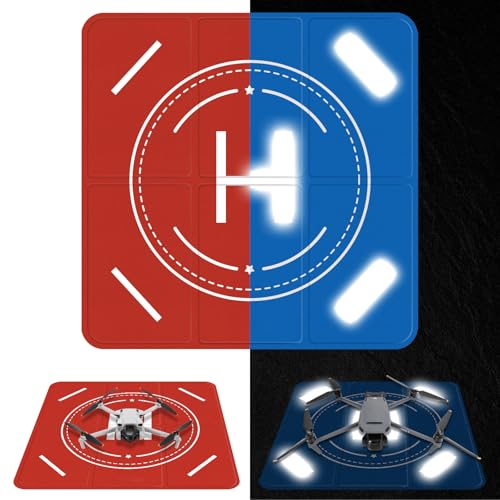
FPVtosky Nighttime Reflective Drone Landing Pad, Fast-fold Double Sided Waterproof Landig Pad Weighted for DJI Mini 5 Pro/ 4/3 Pro/Mini 4k / Mavic 4 / Air 3s/ Avata 2/ Neo/Flip
Waterproof & Easy to Clean: The landing pad is made of high-quality double-sided PU leather, waterproof and dustproof,…
As an affiliate, we earn on qualifying purchases.
As an affiliate, we earn on qualifying purchases.
Frequently Asked Questions
How Do Weather Conditions Affect Ground Inspections Before Flight?
Weather impact greatly influences your ground inspection before flight. You need to assess how recent weather changes, like rain or snow, affect ground conditions—making surfaces slippery or muddy, which can compromise safety. Strong winds or storms might have shifted debris, so check for loose objects or damage. By carefully evaluating these weather impacts on ground condition, you guarantee a safer takeoff and reduce the risk of accidents caused by environmental factors.
What Specific Ground Hazards Are Most Common for Drone Operations?
The most common ground hazards you face are surface instability and debris. A seemingly stable surface can hide soft spots or loose gravel that could cause your drone to tip or crash. Debris like twigs, rocks, or trash can damage propellers or interfere with flight. You must thoroughly check and clear the area, ensuring the ground is firm and free of obstacles, or risk your drone meeting disaster.
Are There Recommended Tools for Inspecting the Landing Area?
You should use a combination of visual inspection tools like a flashlight and measuring tape for a thorough landing zone assessment. A drone-specific magnetometer can help identify hidden metallic hazards. Always make certain your tools are properly calibrated before use. These tools help you spot uneven surfaces, loose debris, or obstacles, ensuring the landing area is safe and suitable for operation, minimizing risks during the drone’s takeoff and landing.
How Often Should Ground Checks Be Performed Before Each Flight?
You should perform ground checks before each flight to guarantee safety. Focus on battery safety, making sure batteries are secure and undamaged, and check for signal interference that could disrupt control. Conduct these checks consistently and thoroughly, especially if weather or environment changes. Regular inspections help prevent issues during flight, keep your equipment functioning properly, and reduce the risk of accidents. Always prioritize these pre-flight routines for safe, successful flights.
What Safety Precautions Should Ground Crew Take During Inspections?
Think of safety precautions as the backbone of your ground inspection. You guarantee equipment stability by double-checking the ground support and securing loose items. Maintain clear crew communication to coordinate movements and avoid misunderstandings. Always wear proper PPE, stay alert, and keep a safe distance from spinning parts. If you spot hazards, report immediately. These steps keep everyone safe, preventing accidents and ensuring a smooth start to the flight.
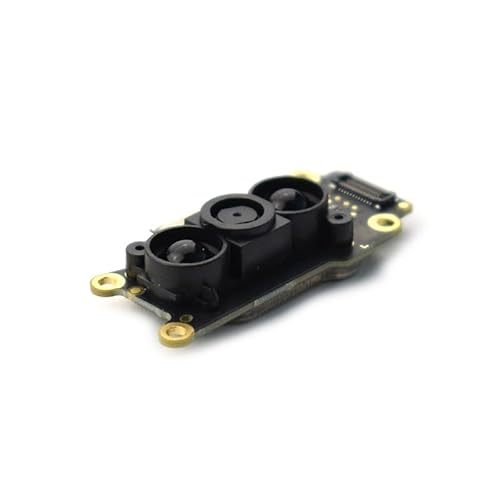
Jakoly Original Downward Sensor for DJI Mini 3 Drone Vision Obstacle Function Visual Components for Mini 3 Replacement Parts
Perfect Compatibility: This refurbished downward sensor is specifically designed for DJI Mini 3, ensuring seamless integration and restoring…
As an affiliate, we earn on qualifying purchases.
As an affiliate, we earn on qualifying purchases.
Conclusion
Before the props start spinning, you check the ground, you guarantee safety, you confirm stability. These steps aren’t just precautions—they’re your foundation for a smooth, accident-free operation. When you double-check the ground, you prevent mishaps; when you verify stability, you protect everyone involved; and when you prepare thoroughly, you set the stage for success. Remember, a solid ground isn’t just the start—it’s the key to a safe and seamless flight.
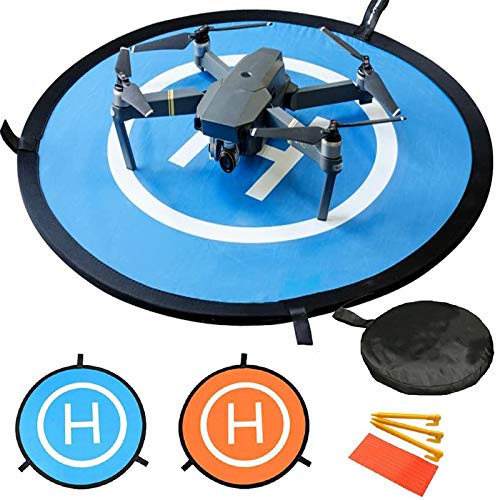
Drone Landing Pad, 30"/75cm Waterproof Portable Foldable Helipad Helicopter Landig Mat for DJI Mavic Pro Phantom 2/3/4/ Pro, RC Drones Helicopter, Mavic Pro, Karma drone, DJI Mavic Air, Inspire and Mo.
【Waterproof Premium Material】: Made of Waterproof Nylon Material with high precision printing with Outdoor Type Print ink make…
As an affiliate, we earn on qualifying purchases.
As an affiliate, we earn on qualifying purchases.

Newbeedrone Portable Drone Tool Kit Set: Come With Soldering Iron Storage Bag Prop Tool Screwdriver AIO Hex Driver Tweezers Cutter Solder Practice Board For FPV Drone FPV Starters RC Car Airplane
Muti-functional RC Tool Set: This highly integrated tool kit includes almost everything you need in the field, especially…
As an affiliate, we earn on qualifying purchases.
As an affiliate, we earn on qualifying purchases.