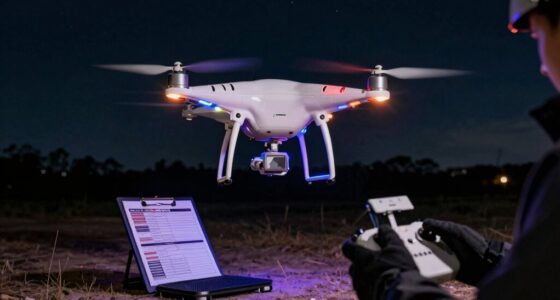

Performing a quick pre-flight check before each flight is the one habit that can instantly make you a safer drone pilot. It guarantees your batteries are fully charged and in good condition, weather is suitable, and your drone is ready to go. This routine keeps you vigilant, reduces the chance of surprises, and protects your equipment and others around you. If you keep this habit, you’ll fly smarter and safer—discover how to master it for even better results.

Get the latest gadgets delivered free with Prime
- Fast, free delivery on millions of items
- Prime Video, Amazon Music and more included
- Member-only deals all year
Key Takeaways
- Conduct a thorough pre-flight check to identify potential issues before each drone operation.
- Regularly review weather conditions to avoid flying in unsafe or unpredictable environments.
- Ensure batteries are fully charged, properly maintained, and securely attached to prevent power failures.
- Follow consistent safety routines to reinforce vigilance and responsible flying habits.
- Stay informed about environmental factors and drone limits to adapt flight plans accordingly.
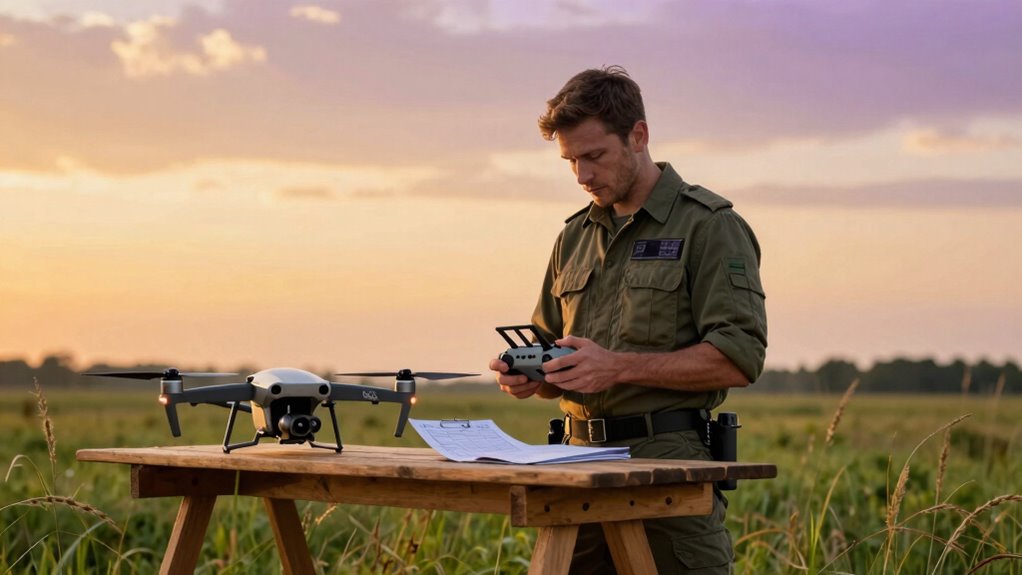
Flying a drone can be exhilarating, but without the right habits, it also comes with risks. The key to safer flying isn’t just about quick reflexes or knowing your controls—it’s about cultivating a daily habit that keeps you vigilant and prepared. One habit that can instantly elevate your safety as a drone pilot is consistently practicing thorough pre-flight checks. This means taking the time to review your drone’s battery management and weather awareness before every flight. By doing so, you minimize the chances of unexpected failures or accidents, keeping both your equipment and surroundings safe.
Consistently perform pre-flight checks to ensure safe drone operation and protect yourself and others.
Battery management is essential because it directly affects your drone’s performance and safety. Before you take off, always inspect the battery’s charge level and condition. A fully charged battery ensures longer flight times and reduces the risk of sudden power loss mid-air. Never ignore the battery’s health; if it shows signs of swelling or damage, replace it immediately. During your pre-flight routine, also check that the battery is securely attached, and avoid flying with a battery that’s been stored for too long or exposed to extreme temperatures. Proper battery management isn’t just about avoiding crashes—it’s about ensuring your drone can operate reliably and safely throughout the flight. Additionally, understanding the importance of battery safety can help prevent dangerous situations. Incorporating proper storage practices into your routine can further extend your battery’s lifespan and safety.
Weather awareness is equally critical. Always check the forecast before you head out. Wind, rain, fog, or extreme temperatures can all impact your drone’s stability and control. Wind, for example, can push your drone off course or make precise maneuvers difficult, increasing the risk of crashes. Rain and fog reduce visibility and can damage your drone’s electronics. Cold weather can drain batteries faster, shortening your flight time unexpectedly. Incorporating environmental factors into your routine helps you stay proactive about safety. Moreover, familiarizing yourself with weather patterns specific to your area can improve your predictive capabilities and decision-making during flights.
Incorporating these checks into your routine doesn’t take much time, but it greatly enhances your safety. It keeps you aware of your drone’s limits and environmental factors, reducing surprises and mishaps. Making it a habit to review battery management and weather awareness before each flight ensures you’re not just flying blindly—you’re flying smart. With this simple yet powerful practice, you’re not only protecting your drone but also safeguarding yourself and others around you. Ultimately, safety isn’t just about avoiding accidents; it’s about being prepared and responsible every time you take to the skies.
As an affiliate, we earn on qualifying purchases.
Frequently Asked Questions
How Long Does It Take to Develop This Habit?
Habit formation varies, but generally, it takes about 21 to 66 days to develop a new safety protocol habit. Consistent practice is key, so you should dedicate daily time to reinforce safety checks and procedures. By actively practicing these safety protocols regularly, you’ll gradually embed them into your routine, making safe drone flying second nature. Stay patient and persistent, and your new habit will become automatic over time.
Can Beginners Easily Adopt This Safety Habit?
Yes, beginners can easily adopt this safety habit. By consistently practicing risk assessment before each flight and reviewing emergency procedures, you’ll build a strong foundation. Start small, take your time, and gradually incorporate these habits into your routine. Over time, they’ll become second nature, helping you respond quickly and confidently in emergency situations. Staying proactive with risk assessment and emergency prep makes flying safer and more enjoyable.
Does Weather Impact the Effectiveness of This Habit?
Weather conditions definitely impact the effectiveness of this safety habit. When the weather is rough—like strong winds, rain, or fog—your ability to maintain control and stay safe diminishes. It’s like trying to steer a boat in choppy waters; you need calm conditions for peak flight safety. Always check the weather forecast before flying, and remember, no habit can replace good judgment during adverse weather—safety first!
Are There Any Tools to Assist With This Habit?
Yes, there are tools to assist with maintaining safety habits. You can use a safety checklist app or printable checklist to guarantee you cover all essentials before flying. Emergency procedures guides or quick-reference cards can help you respond swiftly if issues arise. These tools keep safety top-of-mind, helping you follow best practices consistently and react effectively during unexpected situations, ultimately making you a safer drone pilot.
How Often Should I Practice This Habit?
You should practice this habit daily to guarantee consistent habit formation and better skill retention. Skipping days can cause you to forget essential safety checks, increasing risks. Think of it like exercising; regular practice keeps your skills sharp and your safety instinct ingrained. Even 10 minutes daily makes a difference, reinforcing good habits and making you a more confident, safer drone pilot over time.
As an affiliate, we earn on qualifying purchases.
Conclusion
By adopting this simple habit, you’re planting a sturdy tree in your flying journey. Each careful check and mindful decision is a leaf, shielding you from unforeseen storms. As you nurture this tree, it becomes a beacon of safety and confidence, guiding your flights through clear skies. Remember, a well-tended tree withstands the fiercest winds—just like a cautious pilot, ready for any challenge. Keep tending your habits, and your drone adventures will always find their way home.
As an affiliate, we earn on qualifying purchases.
As an affiliate, we earn on qualifying purchases.
Fall Picks
fall essentials
As an affiliate, we earn on qualifying purchases.