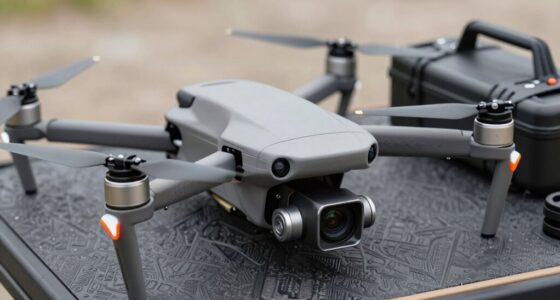
Even if your GPS signals look strong, other factors can cause drone loss. Signal interference from Wi-Fi, cell towers, or electronic devices can garble control communications, leading to connection drops. Hardware issues like damaged antennas or faulty modules may give false stability signals. Environmental interference from nearby equipment or obstacles can also disrupt signals, causing drift or disconnection. To understand how these unseen problems affect your drone’s stability, keep exploring what might be hidden beneath the surface.
Open a free Amazon Business account
Business pricing, bulk buying and tax-exempt orders.
As an affiliate, we earn on qualifying purchases.
Key Takeaways
- Signal interference from nearby electronics can disrupt control signals despite strong GPS reception.
- Hardware malfunctions or damage in antennas or communication modules can cause connection drops.
- Environmental factors like electromagnetic interference can degrade signal quality and drone stability.
- Internal hardware issues may not show obvious signs but can lead to control loss during flight.
- GPS signal strength alone doesn’t guarantee control stability; external interference and hardware health are critical.
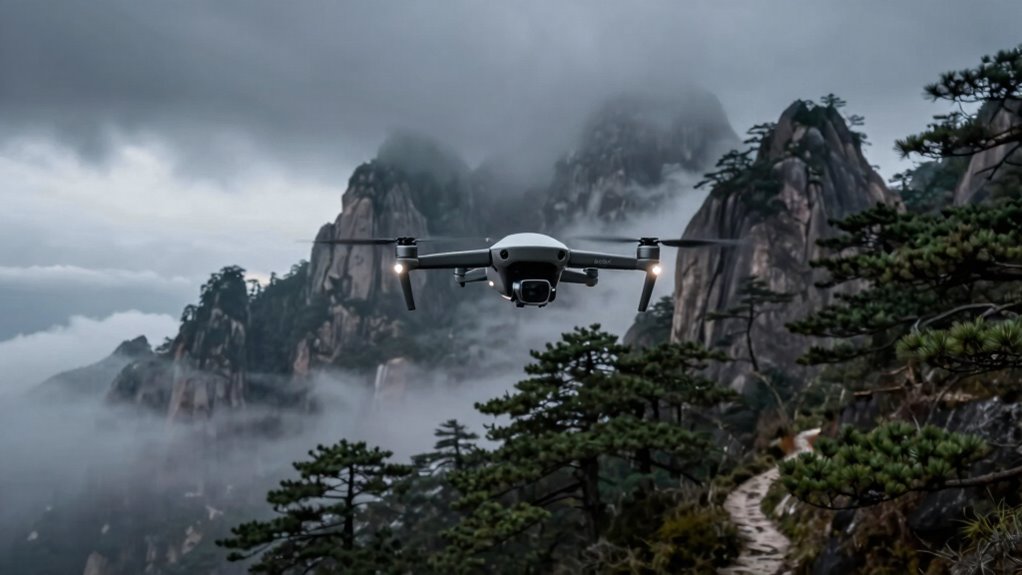
Even when your drone shows a strong GPS signal, you might still find it suddenly losing connection or drifting away. This frustrating experience often confuses pilots because, on the surface, everything seems fine. However, multiple factors can cause your drone to lose stability or control, even when the GPS appears to be functioning correctly. One common culprit is signal interference, which can disrupt the communication between your drone and its remote controller or GPS satellites. Interference can come from various sources, including Wi-Fi networks, cell towers, power lines, or even other electronic devices nearby. When these signals overlap or create noise, your drone’s control signals can become garbled or delayed, leading to unexpected behavior or loss of connection.
Strong GPS signals don’t guarantee stable control; interference and hardware issues can still cause connection loss and drifting.
Hardware malfunctions also play a significant role in these situations. No matter how advanced your drone is, it relies heavily on internal components such as the GPS module, antennas, and communication chips. If any of these hardware parts are damaged, faulty, or improperly calibrated, your drone might think it has a solid GPS connection while actually experiencing issues internally. For instance, a malfunctioning antenna can weaken the signal or cause intermittent drops, making your drone drift or lose contact without warning. Similarly, internal circuitry failures might cause your drone’s control system to behave unpredictably, even if external signals seem stable. These malfunctions can be tricky to diagnose because they often don’t produce obvious signs until the problem manifests during flight. Additionally, internal hardware health is crucial, as hardware malfunctions can sometimes be subtle but impact performance significantly. Regular checkups and diagnostics can help identify these issues early. Being aware of hardware reliability can help you maintain your drone’s optimal performance and prevent unexpected issues mid-flight. It’s also important to consider the quality of components used in your drone, as lower-quality parts may be more prone to failure or degradation over time. Sometimes, environmental factors such as electromagnetic interference from nearby equipment can also influence signal quality, making it essential to consider your flight environment carefully.
drone signal interference blocker
As an affiliate, we earn on qualifying purchases.
As an affiliate, we earn on qualifying purchases.
Frequently Asked Questions
Can Weather Conditions Cause GPS Signal Loss?
Yes, weather conditions can cause GPS signal loss. Weather interference like heavy rain, snow, or thick clouds can weaken or block signals, leading to signal shielding. These conditions disrupt the satellite signals your drone relies on for navigation, making it harder to maintain a stable connection. So, when flying in bad weather, expect potential GPS issues, and always check weather forecasts before taking off to avoid losing your drone.
How Does Drone Design Affect GPS Reliability?
You get what you pay for, especially with drone design. The placement and quality of the drone antenna markedly influence GPS reliability. A poorly designed antenna or one exposed to signal interference from dense materials or electronic noise can weaken the GPS signal, causing loss even if the satellite signals seem fine. To keep your drone steady, choose models with well-shielded antennas and minimize interference sources during flight.
What Role Do Software Glitches Play in Signal Loss?
Software glitches can cause signal loss by disrupting the drone’s communication with its GPS or control systems. When software bugs occur, they may freeze, crash, or misinterpret signals, leading to disconnection. Signal interference from other devices or environmental factors can compound the issue, making it harder for the drone to maintain a steady link. Together, these glitches and interference can cause unexpected drone loss even when GPS appears stable.
Are There Specific Environments More Prone to Drone Disconnection?
Did you know that over 60% of drone disconnections happen in urban areas? Urban interference and signal jamming make these environments especially prone to disconnection. Tall buildings, Wi-Fi signals, and electromagnetic interference disrupt communication, causing your drone to lose contact even when GPS seems fine. You should be extra cautious flying in cities, as these factors considerably increase the risk of losing connection with your drone.
How Can Pilots Prevent Losing Drones Despite Strong GPS Signals?
To prevent losing your drone despite strong GPS signals, regularly check for battery degradation and replace batteries as needed, since low power can cause connection issues. Avoid flying in areas with signal interference, like near tall buildings or dense trees, which can disrupt communication. Keep your firmware updated, reduce interference sources, and monitor battery levels closely during flight to maintain a stable connection and prevent loss.
As an affiliate, we earn on qualifying purchases.
Conclusion
So, even if your GPS appears flawless, don’t assume your drone’s safe. Sometimes, things aren’t always as they seem, and overlooked factors like signal interference or hardware glitches can cause unexpected loss of control. Remember, it’s better to be safe than sorry. Keep a close eye on your drone’s environment and be prepared for surprises. After all, it’s wise to keep your head when the skies get tricky—you never know what’s waiting just around the corner.
electromagnetic interference shielding for drones
As an affiliate, we earn on qualifying purchases.
As an affiliate, we earn on qualifying purchases.
drone GPS and control system diagnostics
As an affiliate, we earn on qualifying purchases.
As an affiliate, we earn on qualifying purchases.
Fall yard work Picks
leaf blowers
As an affiliate, we earn on qualifying purchases.