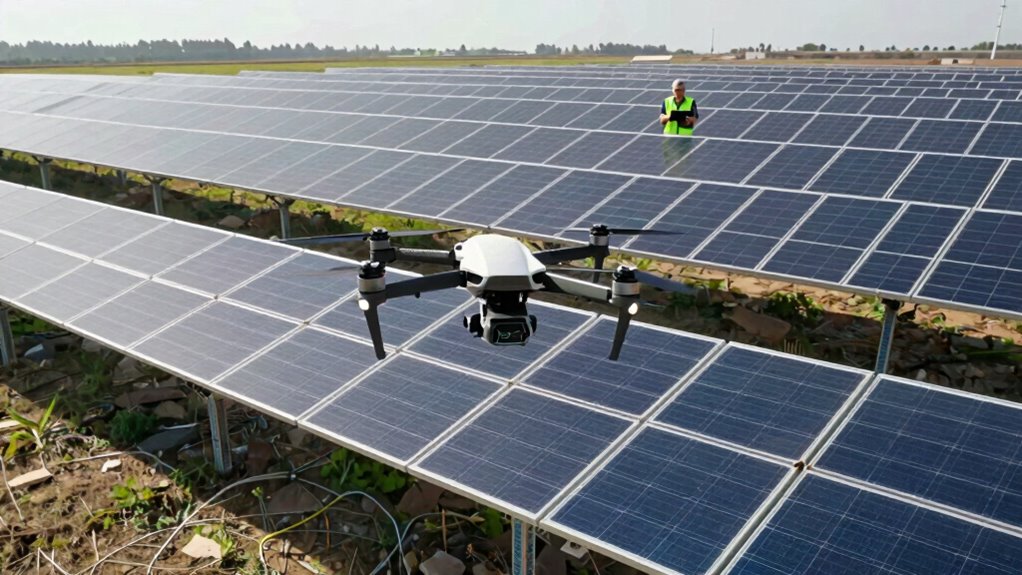

To make inspection flights more organized, plan your route carefully by considering weather, airspace restrictions, and terrain. Double-check your aircraft and equipment to guarantee everything’s ready. Communicate clearly with your team and air traffic control for smooth coordination. Prepare backup plans for unexpected issues like weather or technical problems. Review your plan thoroughly before takeoff and brief your team to make sure everyone’s aligned. Keep learning how to streamline your process for safer, more efficient inspections.

Get the latest gadgets delivered free with Prime
- Fast, free delivery on millions of items
- Prime Video, Amazon Music and more included
- Member-only deals all year
Key Takeaways
- Develop a comprehensive flight plan with clear routes, weather checks, and contingency options before departure.
- Conduct thorough pre-flight inspections and verify all equipment and documentation are ready.
- Establish clear communication protocols with team members and air traffic control for seamless coordination.
- Incorporate regulatory and environmental considerations into planning to ensure compliance and sustainability.
- Perform a final review of the plan, run checklists, and brief the team to ensure everyone is aligned and prepared.
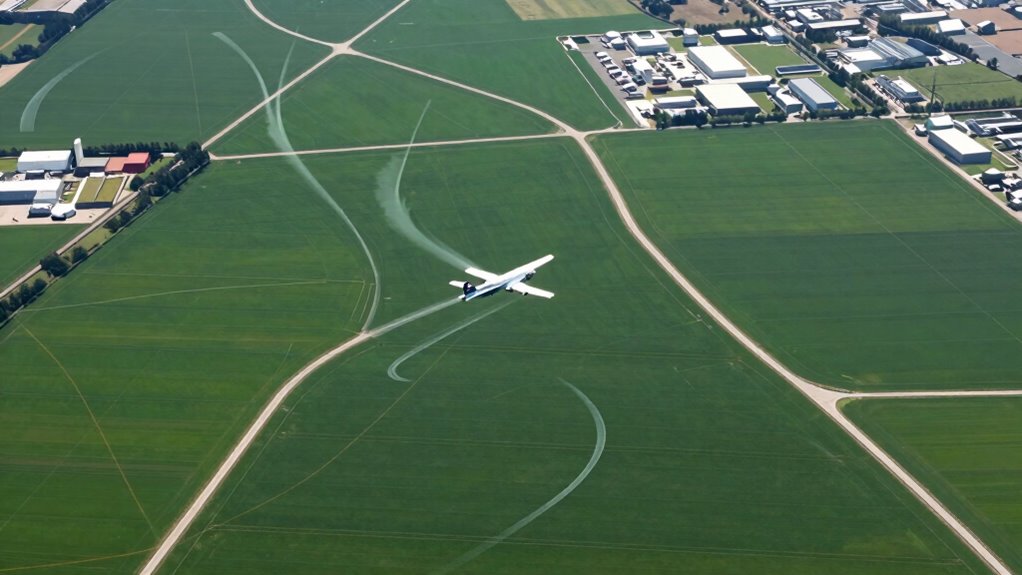
Inspection flights can often seem complicated and intimidating, but with the right approach, they become straightforward and manageable. The key lies in organization and preparation, which directly impacts aviation safety and guarantees your flight runs smoothly. When you focus on proper flight planning, you set a solid foundation that minimizes risks and streamlines the entire process. Clear planning helps you anticipate challenges, allocate resources efficiently, and stay compliant with regulations, making the inspection less stressful.
Start by establishing a detailed flight plan. Map out your route carefully, considering weather conditions, airspace restrictions, and terrain features. Use reliable tools and check the latest updates to avoid surprises. This preparatory step isn’t just about navigation—it’s essential for aviation safety. Knowing your route inside out allows you to identify potential hazards early and plan alternative options if needed. It also helps you communicate clearly with air traffic control and other team members, ensuring everyone stays informed and coordinated.
Next, prepare your aircraft and equipment thoroughly. Conduct pre-flight inspections, verify that all systems are functioning correctly, and double-check safety gear. Having everything in top condition reduces the likelihood of technical issues during the flight. During the planning stage, also organize your documentation, including flight logs, inspection checklists, and any regulatory paperwork. Keeping these readily accessible minimizes delays and keeps you compliant with aviation safety standards. Additionally, understanding the importance of regulations and adhering to them is crucial for maintaining safety and legal compliance in all phases of the inspection. Incorporating regulatory compliance into your preparation can further help prevent violations and ensure smooth operations. Furthermore, understanding the role of environmental considerations can help you implement sustainable practices and reduce your ecological footprint during inspections. Being aware of environmental regulations can also help you avoid penalties and promote responsible flying practices.
Communication is an essential part of making inspection flights more organized. Confirm your flight details with relevant authorities beforehand, and establish clear communication protocols with your team. This approach helps prevent misunderstandings and keeps everyone updated on the flight’s progress. Also, plan for contingencies—know what steps to take if unexpected weather or technical problems arise. Having backup plans in place ensures your inspection can proceed effectively or be rescheduled without chaos.
Additionally, understanding the importance of biodiversity and environmental considerations during inspections can help promote sustainable practices and reduce environmental impact. Finally, review your plan before takeoff. Run through your checklist, confirm all details, and ensure your team is fully briefed. The more thorough your preparation, the less likely you’ll encounter surprises mid-flight. With a well-structured flight plan, attention to safety, and thorough organization, inspection flights become less intimidating and more efficient. When you approach them systematically, you’ll find that managing these flights isn’t just easier—it’s safer and more productive, giving you peace of mind and better results every time.
inspection flight planning tools
As an affiliate, we earn on qualifying purchases.
As an affiliate, we earn on qualifying purchases.
Frequently Asked Questions
What Essential Equipment Is Needed for Inspection Flights?
You need vital inspection gear like high-quality flashlights, cameras, and mirrors to see hard-to-reach areas clearly. Communication devices, such as radios or headsets, are essential to stay in constant contact with your team. Make sure your equipment is reliable and easy to operate. Bring spare batteries and backup gear to prevent disruptions. Properly organizing your inspection gear and communication devices helps make your flights more efficient, safe, and productive.
How Do I Plan an Efficient Inspection Route?
To plan an efficient inspection route, focus on inspection planning and route optimization. Start by mapping out all inspection points, then prioritize them based on urgency and location. Use route optimization tools or software to identify the shortest, most efficient path. Consider factors like weather, airspace restrictions, and time constraints. Regularly review and adjust your plan as needed, ensuring you cover all critical areas without unnecessary delays.
What Safety Protocols Should Be Followed During Inspection Flights?
During inspection flights, you should always wear proper safety gear like helmets, gloves, and eye protection to minimize risks. Make certain you’re familiar with emergency procedures, including how to handle unexpected technical issues or adverse weather. Regularly review safety protocols before each flight, communicate clearly with your team, and have emergency contact info readily available. Staying prepared and informed helps guarantee your safety and the success of your inspection mission.
How Can Technology Improve Inspection Flight Organization?
Technology transforms inspection flight organization by seamlessly integrating drones and harnessing data analytics. You can deploy drones for precise, real-time data collection, reducing manual effort and increasing accuracy. Data analytics then processes this information efficiently, highlighting issues quickly. This combination improves planning, enhances safety, and streamlines reporting, making flights more organized. By embracing these tools, you guarantee inspections are thorough, timely, and less prone to human error.
What Are Common Challenges Faced During Inspection Flights?
During inspection flights, you often face challenges like coordinating the inspection crew efficiently and adapting to changing weather conditions. Weather can delay or disrupt plans, making it difficult to complete thorough inspections. Managing the crew’s schedule and ensuring everyone stays on task adds complexity. You need to plan for unpredictable weather and keep your team organized, so inspections remain accurate and timely despite these common obstacles.
aircraft pre-flight inspection checklist
As an affiliate, we earn on qualifying purchases.
As an affiliate, we earn on qualifying purchases.
Conclusion
In the end, a little organization can work wonders, turning what once felt like a whirlwind into a smooth sail. Embrace simple routines and clear checklists, and you’ll find your inspection flights becoming more predictable and less stressful. Remember, a well-planned approach isn’t just about efficiency — it’s about peace of mind. With each flight, you’ll grow more confident, making safety and precision feel like second nature. Your journey to seamless inspections starts with just a small step today.
As an affiliate, we earn on qualifying purchases.
As an affiliate, we earn on qualifying purchases.
Halloween Picks
halloween
As an affiliate, we earn on qualifying purchases.