
You can make documentation better for your commercial drone projects by using standardized templates, digital tools, and clear record-keeping practices. Focus on capturing essential details like flight conditions, pilot info, and incident reports accurately and consistently. Regularly review and update your records to stay compliant with evolving regulations. Implement a solid management system and train your team to keep everything organized and reliable. Keep going to discover how these strategies can truly elevate your drone operations.

Get the latest gadgets delivered free with Prime
- Fast, free delivery on millions of items
- Prime Video, Amazon Music and more included
- Member-only deals all year
Key Takeaways
- Utilizes standardized templates and digital tools for consistency and quick updates.
- Ensures comprehensive and accurate recording of flight details, maintenance, and incidents.
- Implements a robust management system for easy access, storage, and retrieval of documents.
- Maintains regulatory compliance through meticulous documentation of authorizations, waivers, and certifications.
- Regularly reviews and updates records to reflect procedural or regulatory changes, ensuring relevancy.
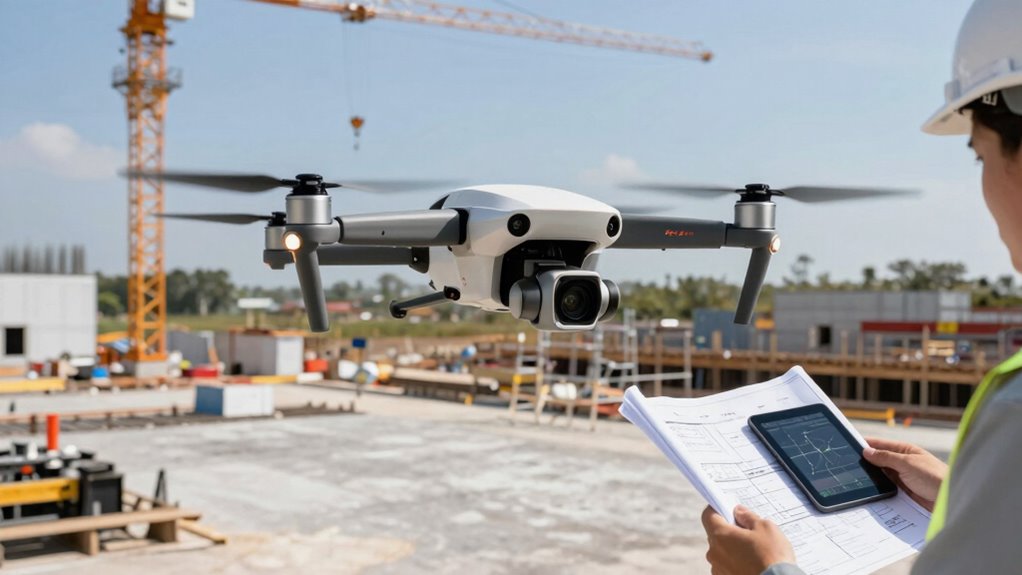
Are you aware of how vital proper documentation is for the success of your commercial drone projects? Accurate records are your foundation for smooth operations, legal compliance, and safe drone practices. When you prioritize thorough documentation, you not only streamline your workflows but also build trust with clients and regulators. One of the key elements that make documentation effective is its ability to support drone safety. By recording flight plans, maintenance logs, and incident reports, you create a detailed safety net that helps prevent accidents and quickly addresses issues that arise. Proper documentation ensures you follow best practices, minimizes risks, and demonstrates your commitment to safe drone operations. Additionally, clear and organized documentation can facilitate regulatory approval processes by providing transparent and comprehensive records. Legal compliance is another indispensable aspect that better documentation addresses. Regulations governing commercial drone use can be complex and vary across regions. When you maintain meticulous records—such as flight authorizations, waivers, and pilot certifications—you stay aligned with legal requirements. This proactive approach reduces the risk of penalties, fines, or project delays caused by non-compliance. Well-organized documentation also provides clear evidence during audits or investigations, protecting your business from potential legal disputes. To make your documentation more effective, focus on clarity and consistency. Use standardized templates for flight logs and incident reports, so information is easy to find and interpret. Digital tools can help automate record-keeping, making updates quick and reducing human error. Always ensure your documentation is thorough without being overly complicated—capture the essential details like date, location, weather conditions, pilot identity, and purpose of each flight. Regularly review and update your records to reflect any changes in procedures or regulations. Incorporating record-keeping best practices can further enhance your documentation’s effectiveness. Establishing a robust documentation management system can also streamline access and storage of vital records. Additionally, training your team on the importance of diligent documentation is vital. When everyone understands how proper records support drone safety and legal compliance, they’re more likely to contribute consistently. Implementing standard operating procedures for documentation can help maintain consistency and accountability across your team. Good documentation isn’t just about fulfilling requirements; it’s a strategic tool that helps you manage your projects more effectively and responsibly. Moreover, utilizing Digital tools for record management can significantly improve efficiency and accuracy in maintaining comprehensive records.
commercial drone flight log templates
As an affiliate, we earn on qualifying purchases.
As an affiliate, we earn on qualifying purchases.
Frequently Asked Questions
How Often Should Drone Documentation Be Updated During a Project?
You should update drone documentation regularly, ideally with real-time updates during critical phases of your project. This guarantees all team members have the latest information. Use version control to track changes, prevent confusion, and maintain consistency. Whenever significant adjustments are made—such as new procedures, safety protocols, or hardware updates—update your documentation promptly. Consistent updates help reduce errors and improve overall project safety and efficiency.
What Are Common Legal Requirements for Drone Documentation?
You need to guarantee your drone documentation meets legal requirements like regulatory compliance and safety protocols. This means keeping detailed records of your drone’s registration, pilot certification, and maintenance logs. You should also document safety procedures, flight plans, and risk assessments. Staying updated on evolving regulations helps you avoid penalties and guarantees safe operations. Proper documentation demonstrates compliance and safety, making your commercial drone projects more efficient and legally sound.
Which Software Tools Are Best for Managing Drone Project Documentation?
Imagine managing your drone flight data with a tool so powerful, it feels like having a digital fortress! For drone project documentation, tools like DroneDeploy, Airdata, and Skyward excel at organizing flight logs, maintenance records, and flight plans. They prioritize data security, ensuring your sensitive information stays protected. These platforms make tracking, sharing, and securing drone data effortless, turning complex documentation into a streamlined, secure process for your commercial projects.
How Do I Ensure Documentation Complies With International Standards?
To guarantee your documentation complies with international standards, you need to familiarize yourself with relevant regulations and certification processes. Regularly update your records according to evolving standards like ISO or ICAO guidelines. Use clear, detailed documentation that covers safety, maintenance, and operational procedures. Conduct internal audits and seek third-party reviews when necessary. This proactive approach guarantees your drone project meets global compliance and certification requirements effectively.
What Are the Best Practices for Documenting Drone Maintenance Records?
Maintain meticulous maintenance logs and adhere to consistent inspection schedules to document drone upkeep effectively. Record repairs, replacements, and inspections promptly, guaranteeing clarity and completeness. Use clear, concise language, and include dates, parts, and technician details. Regularly review and update records to catch potential issues early. This disciplined approach guarantees your drone’s maintenance documentation is thorough, trustworthy, and compliant with industry standards, ultimately enhancing safety and operational efficiency.
digital drone record keeping tools
As an affiliate, we earn on qualifying purchases.
As an affiliate, we earn on qualifying purchases.
Conclusion
Believe it or not, thorough documentation isn’t just about compliance—it’s your secret weapon for smoother drone projects. Some say good records are just paperwork, but in reality, they uncover hidden issues before they become costly. By keeping detailed logs, you might just prove a theory that saves your project time and money. In the world of commercial drones, better documentation isn’t optional; it’s the key to consistent success and innovation.
As an affiliate, we earn on qualifying purchases.
As an affiliate, we earn on qualifying purchases.
Halloween Picks
halloween
As an affiliate, we earn on qualifying purchases.