
📊 Full opportunity report: Acoustic Dampening, Placement, and the “Rig in the Closet” Setup on ThorstenMeyerAI.com — validation score, market gap, and execution plan.

Get the latest gadgets delivered free — and shop member deals
- Fast, free delivery on millions of items
- Access to Prime Big Deal Days deals on October 6–7
- Prime Video, Amazon Music and more included
TL;DR
Moving your high-power rig into a closet significantly reduces noise and reflections when properly placed and treated. Ventilation is essential to prevent overheating. This guide explains practical steps for creating a quiet, safe workspace.
Moving a high-powered computer rig into a closet is confirmed as the most effective method to significantly reduce noise and reflections, according to recent expert guidance. Proper placement, sealing gaps, and using absorption materials are critical to creating a controlled acoustic environment while managing heat buildup, as detailed in the original analysis. This approach is increasingly adopted by enthusiasts and professionals seeking quieter, more efficient workspaces.
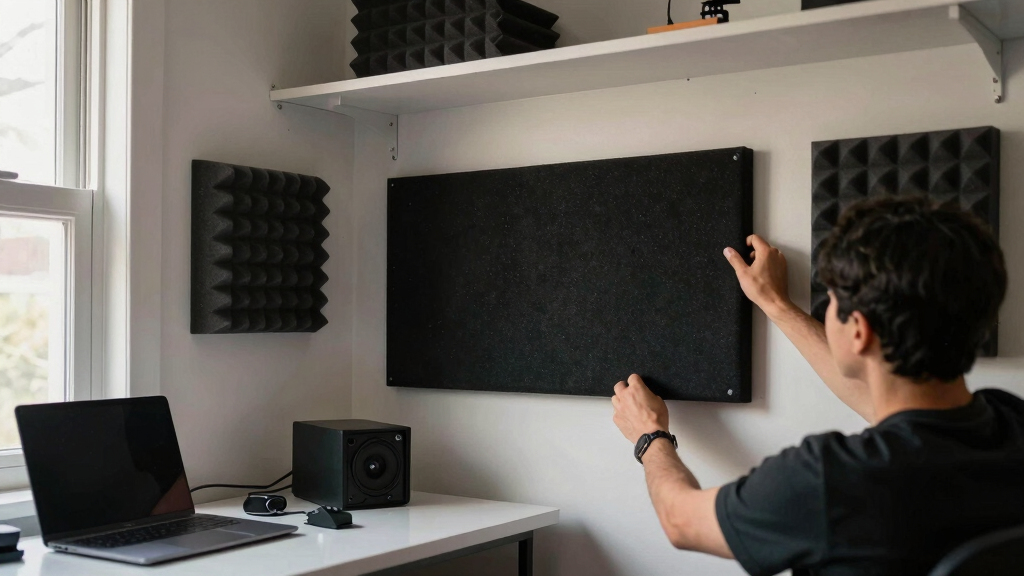
Experts from ThorstenMeyerAI.com emphasize that relocating a rig into a closet or another separate room drastically cuts noise and echoes, often more than foam treatments alone. For more insights, see their detailed guide. The key is strategic placement: position the rig away from reflective surfaces, treat reflection points like behind the microphone, side walls, and ceiling with acoustic panels or blankets, and seal gaps around doors and walls to prevent sound leaks. Proper ventilation is crucial; installing exhaust fans or ducted airflow helps prevent heat buildup, which can damage hardware or reduce performance. DIY solutions such as blankets, rugs, and foam are effective but require careful placement to avoid deadening the sound unnaturally.
Separation of dampening and soundproofing is important; dampening materials absorb reflections and reduce echo, while sealing gaps enhances sound isolation. Industry experts suggest covering about 20-30% of wall surfaces with absorption panels and sealing the door with foam or blankets. For low-frequency issues, bass traps in corners improve sound clarity. Maintaining airflow with intake and exhaust fans ensures the hardware remains cool even during intensive operations.
Acoustic dampening
& the rig in the closet.
The most powerful noise fix isn’t a material — it’s a floor plan. A rig you can’t hear because it’s in another room beats any amount of foam. Tap the approaches in Part 1 to see what actually works.
(another room)
(levers 1–4)
(door / barrier)
(acoustic foam)
Contain the noise, not the heat
Why Closet Placement and Proper Treatment Matter
Implementing these strategies allows users to operate high-power rigs quietly and safely within limited spaces, improving work comfort, reducing noise pollution, and protecting hardware from heat damage. Learn more about effective setups in this resource. As more individuals set up home labs or AI workstations, understanding the balance between sound dampening, placement, and ventilation is essential for effective and sustainable setups. Properly treated closets can serve as professional-grade workspaces, avoiding the need for expensive soundproof rooms or external noise mitigation.
acoustic soundproofing panels for computer room
As an affiliate, we earn on qualifying purchases.
As an affiliate, we earn on qualifying purchases.
Evolution of Closet-Based Acoustic and Heat Management Techniques
Traditionally, small-space setups relied on basic foam panels or simple noise barriers, often resulting in echo and heat issues. Recent advances emphasize the importance of strategic placement and sealing, along with ventilation, to maximize noise reduction and hardware longevity. Experts and hobbyists increasingly recognize that moving rigs into closets or dedicated rooms, combined with targeted acoustic treatment, offers a practical, cost-effective solution. This approach aligns with broader trends toward compact, efficient, and quiet computing environments for home use and professional work.
"Relocating your rig into a closet with proper placement and sealing can drastically reduce noise and reflections, often more than adding foam alone."
— Thorsten Meyer, acoustic specialist
quiet exhaust fan for PC closet setup
As an affiliate, we earn on qualifying purchases.
As an affiliate, we earn on qualifying purchases.
Remaining Questions About Long-Term Closet Rig Use
While current guidance confirms that closet placement, combined with proper treatment and ventilation, is effective, long-term durability of DIY solutions and the precise balance of acoustic absorption versus natural room sound are still being studied. The impact of continuous high heat and humidity on materials and hardware remains an area for further research. Additionally, the optimal combination of materials and placement strategies may vary depending on room size and specific hardware configurations, leaving some details open to experimentation.
soundproofing blankets for server rack
As an affiliate, we earn on qualifying purchases.
As an affiliate, we earn on qualifying purchases.
Next Steps for Users Implementing Closet Rig Setups
Practitioners should focus on testing different placement and sealing techniques, monitor temperatures regularly, and adjust ventilation as needed. Further research and user reports will help refine best practices, especially for long-term use. Manufacturers might develop specialized closet-friendly enclosures with integrated cooling and soundproofing features, making these setups more accessible and reliable. Community forums and expert guides will continue evolving to share insights and innovations in this space.
As an affiliate, we earn on qualifying purchases.
Key Questions
How effective is moving a rig into a closet for noise reduction?
Relocating a rig into a closet can significantly reduce noise and reflections, often more than foam treatments alone, especially when combined with proper placement and sealing.
What are the main challenges of a closet setup?
The primary challenges include managing heat buildup and ensuring effective ventilation to prevent hardware overheating, along with sealing gaps to prevent sound leaks.
Can I use DIY materials for acoustic treatment?
Yes, materials like blankets, rugs, and foam panels can be effective if strategically placed at reflection points and gaps are sealed, but they require proper implementation for best results.
How do I prevent my hardware from overheating in a closet?
Install exhaust fans, ducted airflow, or passive vents to promote continuous cooling. Using an exhaust duct with a fan or a dedicated cooling enclosure can help maintain safe temperatures during operation.
Is this setup suitable for long-term use?
With proper ventilation, regular monitoring, and appropriate materials, closet setups can be durable for long-term use, but ongoing adjustments may be necessary based on hardware load and environmental conditions.
Source: ThorstenMeyerAI.com
Evergreen bestsellers Picks
bestsellers
As an affiliate, we earn on qualifying purchases.