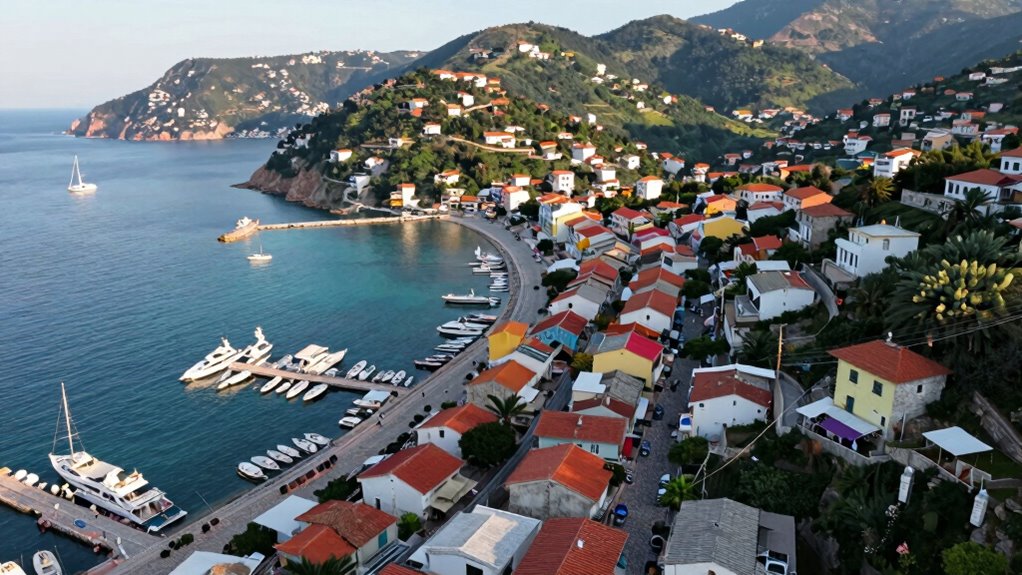
To plan better drone shots for tourism and destination content, start with visualizing your final scene and use the rule of thirds to position key landmarks. Pre-plan your angles, considering natural features, lighting, and environmental sensitivities to avoid disruption. Make sure you understand local laws and secure necessary permits for a smooth shoot. Focus on framing with foreground, middle ground, and background layers, while tracking movement for engaging footage. Keep learning more to elevate your drone content responsibly and creatively.

Get the latest gadgets delivered free — and shop member deals
- Fast, free delivery on millions of items
- Access to Prime Big Deal Days deals on October 6–7
- Prime Video, Amazon Music and more included
Key Takeaways
- Pre-visualize your shots using the rule of thirds and layered compositions to maximize visual interest.
- Research and select locations that highlight natural beauty while minimizing ecological impact.
- Plan for optimal lighting and time of day to enhance the mood and clarity of your footage.
- Obtain necessary permits and understand local regulations to ensure legal and ethical filming practices.
- Incorporate dynamic movement and smooth transitions to create engaging, memorable drone content.
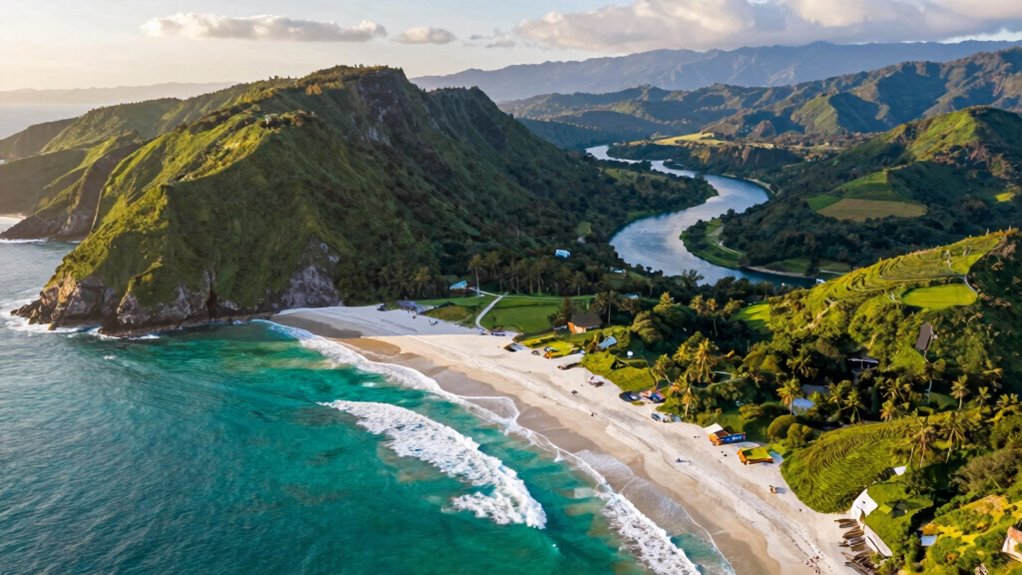
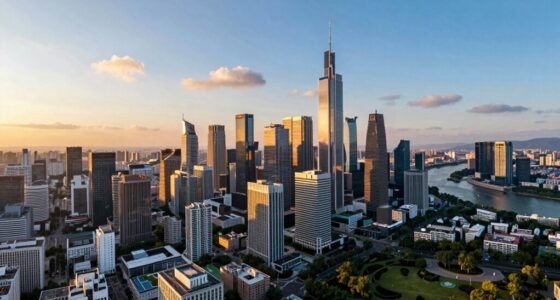
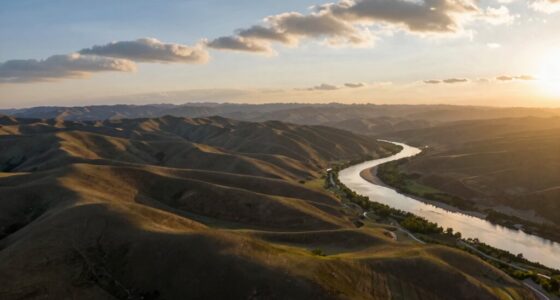
Have you ever wondered why some drone shots stand out while others fall flat? The secret often lies in how well you plan your aerial composition. When you’re capturing scenes for tourism or destination content, every shot should tell a story and evoke emotion. To do that, you need to think about framing, perspective, and movement. Start by visualizing the final image or video in your mind. Consider the rule of thirds—placing key landmarks or features along grid lines to create balance and interest. Pay attention to foreground, middle ground, and background; layering these elements adds depth and makes your footage more compelling. Movement is just as important; slow, smooth transitions or dynamic sweeps can highlight different aspects of a location and keep viewers engaged. Planning your shots beforehand guarantees you don’t miss critical angles or moments, especially when working with changing light conditions or busy environments. Additionally, understanding the importance of biodiversity and the environment helps you choose locations and angles that highlight natural beauty without causing harm. Incorporating knowledge of environmental considerations ensures your footage respects natural habitats and promotes responsible filming practices. Being aware of local ecosystems can help you identify sensitive areas that require extra caution. Furthermore, considering the impact of drone noise can help prevent disturbance to wildlife and local communities during filming. A thorough understanding of natural habitats can guide you in selecting filming spots that minimize ecological disruption. Another essential aspect is understanding the legal considerations involved in drone filming. Before you launch your drone, familiarize yourself with local regulations, no-fly zones, and privacy laws. Many popular tourism spots are protected areas, and flying without proper permissions can lead to fines or confiscation of equipment. Respecting privacy is vital—avoid capturing images of individuals without their consent, especially in sensitive areas. Research the rules specific to the location you’re filming in, and consider obtaining necessary permits if required. Organizing your flights with these legal considerations in mind helps you avoid disruptions and guarantees a smooth filming process. It also demonstrates professionalism and respect for the places and people you’re showcasing. Combining a solid understanding of aerial composition with careful legal planning elevates your drone footage. You’ll create visuals that are not only stunning but also compliant with laws and respectful of privacy. This dual approach allows you to focus on capturing the essence of a destination without unnecessary stress or setbacks. Remember, the best drone shots come from thoughtful preparation—knowing what you want, how to frame it, and where you’re allowed to fly. When you plan effectively, your footage will stand out because it’s both visually engaging and ethically sound. That’s the key to producing memorable tourism and destination content that resonates with viewers and respects the places you love to showcase.
As an affiliate, we earn on qualifying purchases.
Frequently Asked Questions
What Are the Legal Restrictions for Drone Photography in Popular Tourist Spots?
You need to be aware of drone privacy laws and flight permits when capturing popular tourist spots. Many locations restrict drone flights to protect privacy and reduce disruptions, so you should check if you require a flight permit beforehand. Respect local regulations to avoid fines or legal issues, and always be mindful of people’s privacy. Planning ahead ensures you capture stunning shots while staying compliant with the legal restrictions.
How Can I Ensure Drone Safety Around Crowds and Wildlife?
You can guarantee drone safety around crowds and wildlife by following strict crowd safety protocols, such as maintaining a safe distance and avoiding sudden movements. To prevent wildlife disturbance, keep your drone at a respectful altitude and avoid nesting areas or animals in distress. Always monitor your surroundings, be aware of local regulations, and prioritize safety to prevent accidents, respect nature, and create responsible, stunning drone shots.
What Weather Conditions Are Ideal for Drone Filming?
Did you know that clear, stable weather accounts for over 70% of successful drone flights? You should aim for calm weather with stable weather patterns and minimal wind conditions, ideally below 10 mph. Avoid flying in rain, fog, or strong winds, as these can compromise drone control and footage quality. Good weather enhances safety, camera stability, and shot clarity, helping you capture stunning destination content effortlessly.
How Do I Choose the Best Drone Camera Settings for Landscape Shots?
To choose the best drone camera settings for landscape shots, start by adjusting your exposure settings to balance brightness and detail, especially in high-contrast scenes. Use camera angles that showcase the scenery’s depth and scale, like high-altitude or sweeping shots. Set your ISO low to reduce noise, and choose a narrow aperture for sharpness. Experiment with these settings to capture vibrant, well-exposed landscapes that highlight the destination’s beauty.
What Editing Techniques Enhance Aerial Tourism Videos?
Did you know that well-edited aerial tourism videos can increase engagement by up to 80%? To enhance your footage, focus on color grading to create a vivid, consistent look that highlights the destination’s beauty. Use motion stabilization to guarantee smooth, professional shots, making viewers feel immersed. Combining these techniques, you’ll craft engaging videos that showcase your destination in the best light, encouraging more viewers to explore.
As an affiliate, we earn on qualifying purchases.
Conclusion
Think of planning your drone shots like crafting a perfect recipe—you need the right ingredients, timing, and a clear vision. I once watched a drone pilot capture a sunrise over a mountain range, revealing a hidden valley that looked like a secret world. With careful planning, you can discover those breathtaking moments too. When you prepare thoughtfully, your footage will tell stories as vivid and inviting as that dawn, enticing viewers to explore the beauty you’ve uncovered.
As an affiliate, we earn on qualifying purchases.
drone remote controller with screen
As an affiliate, we earn on qualifying purchases.
As an affiliate, we earn on qualifying purchases.
Fall Picks
fall essentials
As an affiliate, we earn on qualifying purchases.