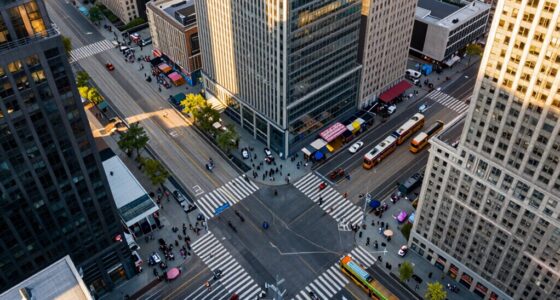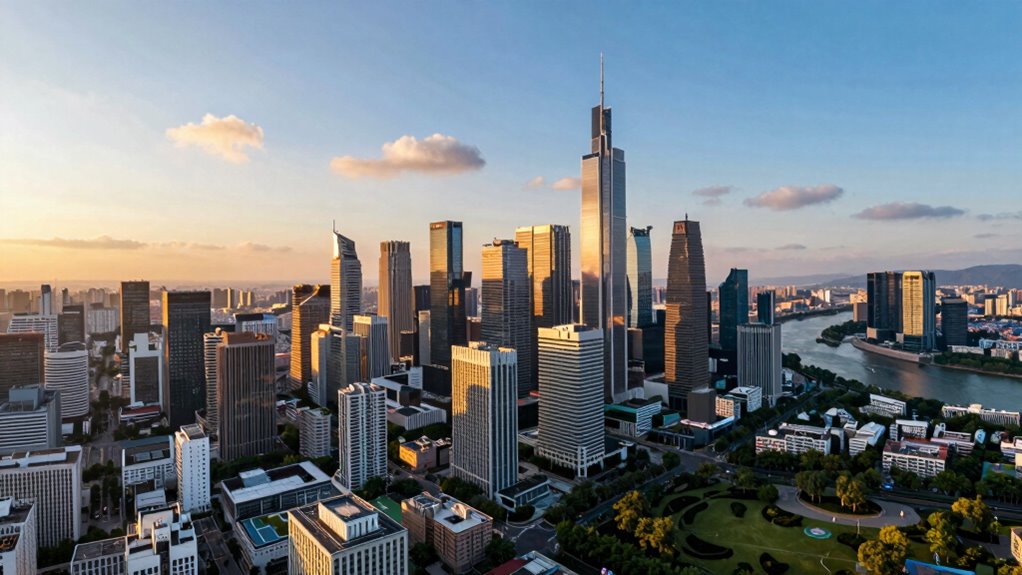
Cinematic drone footage relies on more than just resolution because your angles, stability, and shot composition truly shape the story you tell. Using clever angles, like low ground shots or bird’s-eye views, adds impact and emotion. Stability keeps your footage smooth and professional. Thoughtful framing enhances storytelling. Mastering camera control makes your shots dynamic and polished. If you want to open the full potential of drone footage, understanding these elements is essential—keep exploring to learn more.

Get the latest gadgets delivered free — and shop member deals
- Fast, free delivery on millions of items
- Access to Prime Big Deal Days deals on October 6–7
- Prime Video, Amazon Music and more included
Key Takeaways
- Camera angles and shot composition significantly influence storytelling, beyond just high resolution.
- Drone stability and control ensure smooth footage, which resolution alone cannot guarantee.
- Proper framing and perspective enhance emotional impact and visual appeal.
- Mastering camera movements creates dynamic, cinematic shots that resolution cannot replicate.
- Combining stability, angles, and control elevates overall cinematic quality beyond resolution.
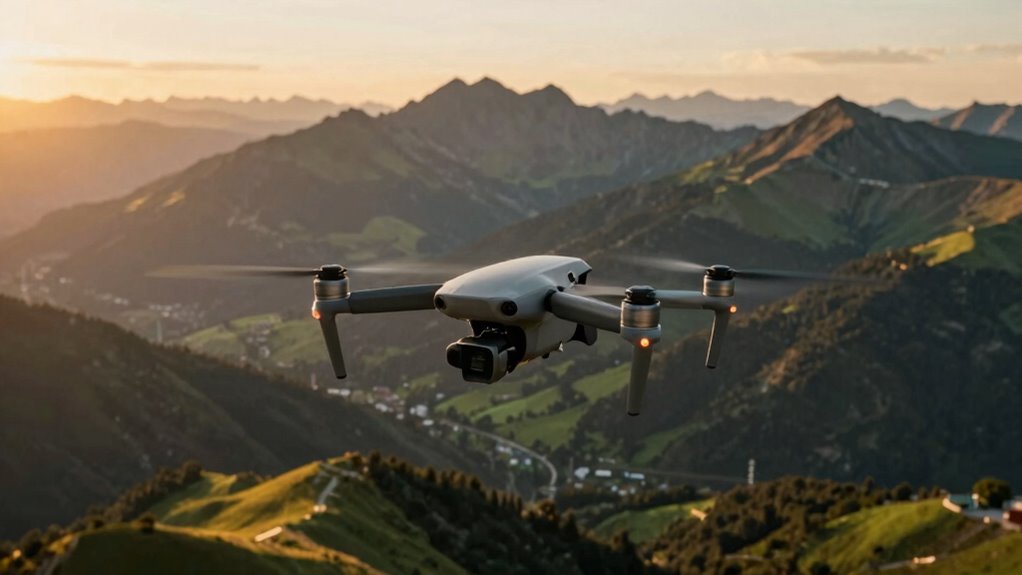
Camera angles play a pivotal role in elevating your footage beyond mere visuals. You might have a high-resolution camera, but if you don’t leverage clever angles, your shots can become dull or predictable. Low shots from ground level can make your subject appear powerful, while bird’s-eye views can evoke grandeur or isolation. The ability to change angles swiftly and precisely depends heavily on your drone’s stability and control. Smoothly shifting from a wide, cinematic panorama to a tight, detailed close-up requires deliberate camera work and steady handling. When your drone maintains stability, you can confidently explore these angles without worrying about unwanted tilts or shakes that distract viewers. Effective drone stability is essential for achieving smooth, professional-looking footage. Additionally, productivity tools can assist you in planning and executing complex camera movements to maximize cinematic impact. Beyond resolution, the way you frame your shots and the angles you choose impact the storytelling power of your footage. No matter how sharp and detailed your camera is, shaky footage or awkward angles can diminish its cinematic quality. When you prioritize drone stability, you gain the freedom to craft seamless movements and compelling compositions that draw viewers into your scene. Properly understanding and utilizing camera angles can significantly enhance the emotional and visual impact of your drone footage. This control over camera angles enables you to emphasize scale, motion, or emotion, making your footage more engaging and visually striking. Mastering camera control techniques can further improve your ability to capture dynamic and expressive shots. Ultimately, the secret to creating enthralling cinematic drone footage lies in mastering stability and angles—these elements allow your resolution to shine and your story to resonate. Without them, even the most high-tech camera can fall short of delivering truly cinematic results. Recognizing the importance of shot composition can help you craft scenes that are both visually appealing and narratively compelling.
professional drone camera stabilization gimbal
As an affiliate, we earn on qualifying purchases.
As an affiliate, we earn on qualifying purchases.
Frequently Asked Questions
How Does Drone Stabilization Affect Footage Quality?
Drone stabilization greatly improves footage quality by reducing shake and jitter, making your shots smoother and more professional. With stable footage, color grading becomes easier, enhancing the visual appeal. It also minimizes lens distortion, ensuring clearer, more accurate images. Stable drone footage captures the scene accurately, allowing you to focus on creative editing, resulting in cinematic, polished videos that impress viewers and elevate your overall production quality.
What Role Does Camera Sensor Size Play?
Sensor size plays a vital role in cinematic drone footage because it directly impacts image clarity. A larger sensor captures more light, resulting in sharper, more detailed images with better dynamic range. When you choose a drone with a bigger sensor, you’ll notice improved color depth and reduced noise, especially in low-light conditions. This enhances the overall cinematic quality, making your footage more professional and visually appealing.
How Important Is Drone Flight Planning?
You might be surprised to learn that 80% of drone crashes happen due to poor flight planning. Drone flight planning is essential because it directly impacts your footage quality. With skilled pilots, you’re better prepared for changing weather conditions, which can affect stability and camera angles. Proper planning helps you avoid surprises, ensuring smooth, cinematic shots. So, investing time in planning makes all the difference in capturing stunning, professional footage.
Can Editing Techniques Enhance Drone Footage?
Yes, editing techniques can considerably enhance your drone footage. You should focus on color grading to create the right mood and improve visual appeal. Additionally, paying attention to shot composition during editing helps guide viewers’ attention and adds cinematic quality. By combining these techniques, you can transform raw footage into stunning, professional-looking cinematic scenes that captivate your audience and elevate your drone videography skills.
What Are Common Challenges in Capturing Cinematic Drone Shots?
Capturing cinematic drone shots is like maneuvering a delicate dance. You face challenges like choosing the right lens to frame your story perfectly and applying color grading to evoke mood. Weather conditions and maintaining steady shots also test your skills. You need to adapt quickly, balancing technical settings and creative vision, to guarantee each shot captures the essence of your scene without distraction or distortion.
cinematic drone camera control accessories
As an affiliate, we earn on qualifying purchases.
As an affiliate, we earn on qualifying purchases.
Conclusion
Remember, a picture is worth a thousand words, but quality isn’t just about resolution. Cinematic drone footage relies on a blend of smooth movements, proper framing, lighting, and storytelling to truly captivate. It’s not enough to have high megapixels—you need an eye for artistry and technique. As the saying goes, “Look beyond the surface,” because the magic lies in the details that elevate your footage from good to unforgettable.
drone camera angle adjustment kit
As an affiliate, we earn on qualifying purchases.
As an affiliate, we earn on qualifying purchases.
As an affiliate, we earn on qualifying purchases.
Fall Picks
fall essentials
As an affiliate, we earn on qualifying purchases.