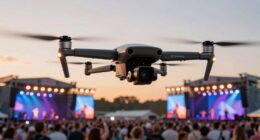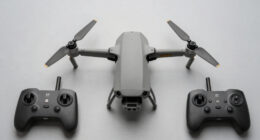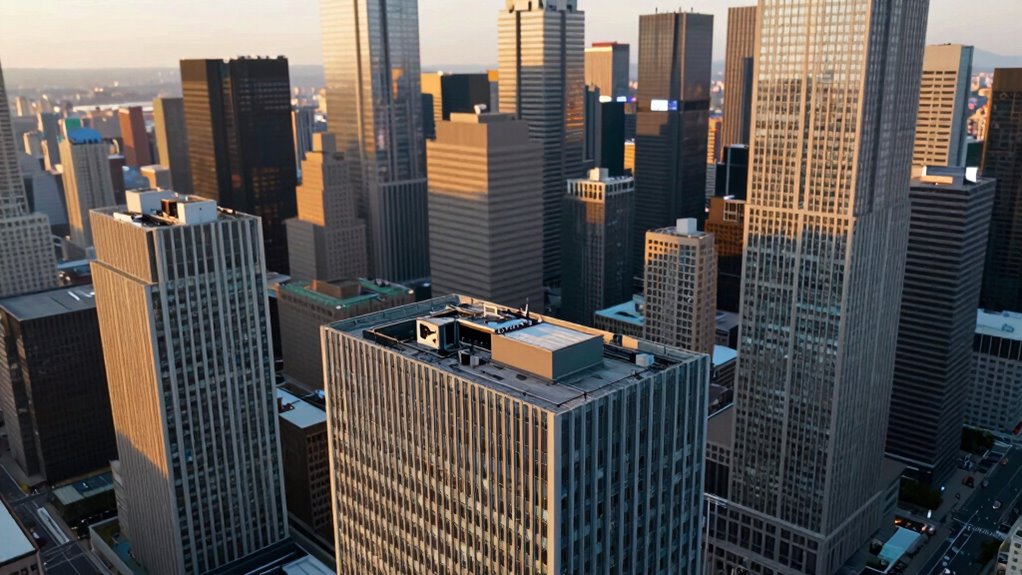
Adjustable aperture is essential in aerial imaging because it lets you control how much light enters your camera, ensuring clear shots in changing lighting conditions. It helps you manage depth of field for sharp landscapes or detailed structures and reduces motion blur caused by drone vibrations. By fine-tuning the aperture, you can improve image quality and sensor performance across different environments. Keep exploring how this simple tool can make a big difference in your aerial captures.
Key Takeaways
- Allows precise control of light intake for optimal exposure in changing lighting conditions.
- Manages depth of field to capture sharp details across landscapes and structures.
- Reduces motion blur by enabling faster shutter speeds in dynamic aerial environments.
- Enhances image quality by adjusting sensor sensitivity and avoiding overexposure.
- Provides flexibility to adapt to varying altitude, weather, and scene complexity for professional results.
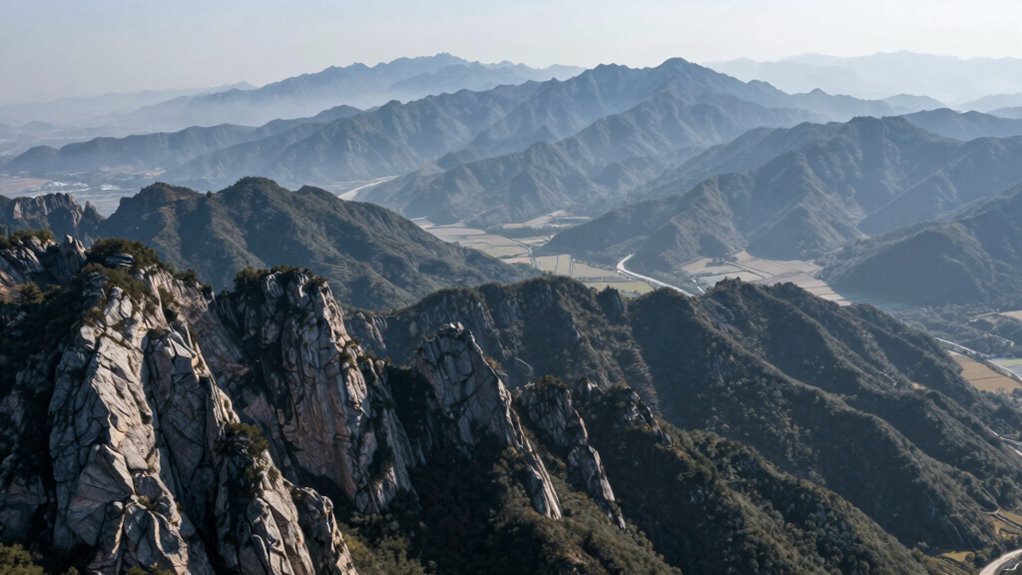
Ever wondered how aerial photographers capture sharp, detailed images from high above? It all comes down to understanding how adjustable aperture impacts your camera’s ability to adapt to different lighting and environmental conditions. While many might assume that aperture is only relevant for close-up photography, in aerial imaging, it plays an essential role in optimizing sensor sensitivity and guaranteeing image stabilization. The aperture controls how much light enters the lens, and an adjustable aperture gives you the flexibility to balance exposure when flying at different altitudes or in varying weather. When you widen the aperture, more light reaches the sensor, which is critical when lighting is low or when you need to maximize sensor sensitivity. Conversely, narrowing the aperture helps prevent overexposure in bright conditions, maintaining clarity and detail in your images.
Having an adjustable aperture also helps you manage depth of field, which is important when capturing landscapes or intricate structures from the air. You want sharpness across the entire scene, and by tweaking the aperture, you can achieve the ideal focus range. This flexibility becomes even more essential when combined with advanced image stabilization systems. These systems work to compensate for drone vibrations and movement, but they can’t fully eliminate motion blur if the exposure is too long or the lighting conditions are poor. Here, controlling the aperture becomes a key tool—by adjusting it, you can shorten exposure times, reducing the reliance on stabilization alone and capturing crisper images. Additionally, understanding how aperture interacts with other camera settings can help you optimize image quality and produce more professional results. Moreover, mastering these adjustments allows for better control over sensor sensitivity, which is crucial for capturing high-quality aerial images in diverse conditions.
Furthermore, an adjustable aperture allows you to adapt to changes in sensor sensitivity. When you close down the aperture, less light hits the sensor, which can help you avoid sensor over-saturation in bright environments. This also means you get better control over image noise, especially when you’re working at higher ISO levels to compensate for low light. The ability to fine-tune aperture settings ensures you maximize your camera’s dynamic range, capturing details in both shadows and highlights without sacrificing image quality. Properly managing aperture settings is especially crucial for maintaining consistent image quality across different shooting conditions. Additionally, understanding how aperture interacts with other camera settings further enhances your ability to produce professional-quality aerial images.
In essence, the importance of an adjustable aperture in aerial imaging is about giving you control. It allows you to optimize exposure, manage sensor sensitivity, and work harmoniously with image stabilization technologies. Whether you’re flying at dawn, sunset, or in overcast conditions, having that flexibility makes a big difference. It’s not just about capturing a picture; it’s about capturing the scene with clarity, precision, and detail, regardless of the challenges posed by altitude and lighting. That’s why adjustable aperture continues to matter in aerial photography—because it’s an indispensable tool for achieving high-quality images from the sky.

GPS Drone with 4K Camera for Adults, FPV RC Quadcopter, 90-min Flight Time, Auto Return, GPS Follow, Circle Fly, 5-inch LCD Tablet Screen, Brushless Motor, Lightweight Foldable Drone for Beginners
Drones with 4K Camera: Features a 90° adjustable HD camera for capturing 4K photos and high resolution videos….
As an affiliate, we earn on qualifying purchases.
As an affiliate, we earn on qualifying purchases.
Frequently Asked Questions
How Does Aperture Affect Image Distortion in Aerial Photos?
Aperture influences image distortion by affecting lens distortion and image sharpness. When you adjust the aperture, you control how light enters, which can reduce lens distortion and improve sharpness. A wider aperture might cause more distortion, leading to warped edges, while a narrower one enhances clarity and minimizes distortion. By fine-tuning the aperture, you guarantee your aerial photos maintain sharpness and minimize lens distortion for clearer, more accurate images.
Can Adjustable Aperture Improve Low-Light Aerial Photography?
Adjustable aperture can definitely improve low-light aerial photography. For example, if you’re capturing images at dusk, widening the aperture allows more light to reach the sensor, boosting sensor sensitivity without increasing ISO noise. Your lens compatibility matters, as not all lenses support variable apertures. By adjusting the aperture, you optimize light intake, resulting in clearer, brighter images even in challenging lighting conditions.
What Are the Trade-Offs of Using Wider Aperture Settings?
Using wider aperture settings can cause increased sensor noise and lens vignetting, affecting your aerial images’ quality. The wider the aperture, the more light enters, but it also amplifies sensor noise, leading to grainier photos, especially in low-light conditions. Additionally, vignetting becomes more prominent, darkening the image corners. These trade-offs can reduce overall image clarity and consistency, so balancing aperture size with your specific shooting needs is essential.
How Does Aperture Influence Depth of Field From Drones?
Think of aperture as your drone’s lens to clarity—when you adjust it, you control the depth of field, just like a painter choosing focus points. A wider aperture creates a shallow depth of field, emphasizing sensor sensitivity and lens sharpness on a specific subject. Narrower settings increase depth, capturing more scene detail. This control lets you optimize image quality, ensuring your aerial shots are sharp and perfectly focused across varying distances.
Are There Specific Aperture Settings for Different Aerial Imaging Scenarios?
Yes, there are specific aperture settings for different aerial imaging scenarios. For instance, use a smaller aperture (higher f-stop) to maximize depth of field when capturing landscapes, ensuring everything stays in focus. Conversely, a wider aperture (lower f-stop) works better for low-light conditions or when isolating subjects. Remember, proper lens calibration and adjusting sensor sensitivity help optimize image quality across these settings, maintaining sharpness and detail in all scenarios.
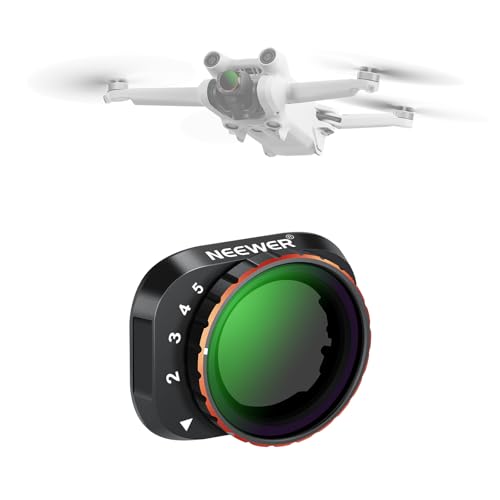
NEEWER Variable ND Filter Compatible with DJI Mini 3 Pro, ND2-32 1-5 Stops Snap On Multicoated HD Optical Glass Metal Slim Frame Drone Camera Lens Accessories for Aerial Photography Video Recording
【Compatible with Mini 3 Pro】 Compatible with DJI Mini 3 Pro Drone and Fly More Combo, this variable…
As an affiliate, we earn on qualifying purchases.
As an affiliate, we earn on qualifying purchases.
Conclusion
So, next time you’re flying high with your camera, remember that adjustable aperture still plays a vital role. It gives you the flexibility to capture sharp, well-exposed images in varying lighting conditions. Don’t you want to have full control over your shots rather than relying solely on automatic settings? Embracing this feature guarantees your aerial images are consistently stunning, no matter the environment. After all, isn’t it worth mastering every tool to elevate your photography game?
GPS Drone with 4K Camera for Adults, FPV RC Quadcopter, 90-min Flight Time, Auto Return, GPS Follow, Circle Fly, 5-inch LCD Tablet Screen, Brushless Motor, Lightweight Foldable Drone for Beginners
Drones with 4K Camera: Features a 90° adjustable HD camera for capturing 4K photos and high resolution videos….
As an affiliate, we earn on qualifying purchases.
As an affiliate, we earn on qualifying purchases.
![ULBTER Lens Screen Protector for DJI Mini 4K / 2 SE/DJI Mavic Mini 2 / DJI Mini/DJI Mini SE- Drone [3 Pack] 0.3mm 9H Hardness Tempered Glass Lens Saver Accessory Anti-Scrach Anti-Bubble](https://m.media-amazon.com/images/I/41KNZHdrWwL._SL500_.jpg)
ULBTER Lens Screen Protector for DJI Mini 4K / 2 SE/DJI Mavic Mini 2 / DJI Mini/DJI Mini SE- Drone [3 Pack] 0.3mm 9H Hardness Tempered Glass Lens Saver Accessory Anti-Scrach Anti-Bubble
✪protection glass perfectly fit for DJI Mini 4K /2 SE/ DJI Mini Mavic 2 / DJI Mini /…
As an affiliate, we earn on qualifying purchases.
As an affiliate, we earn on qualifying purchases.