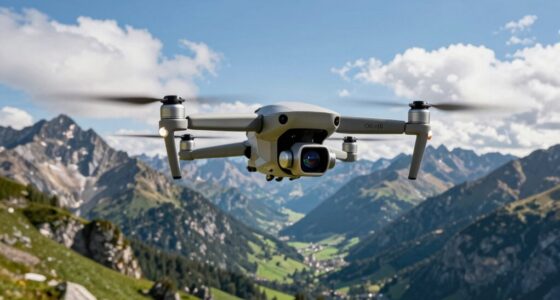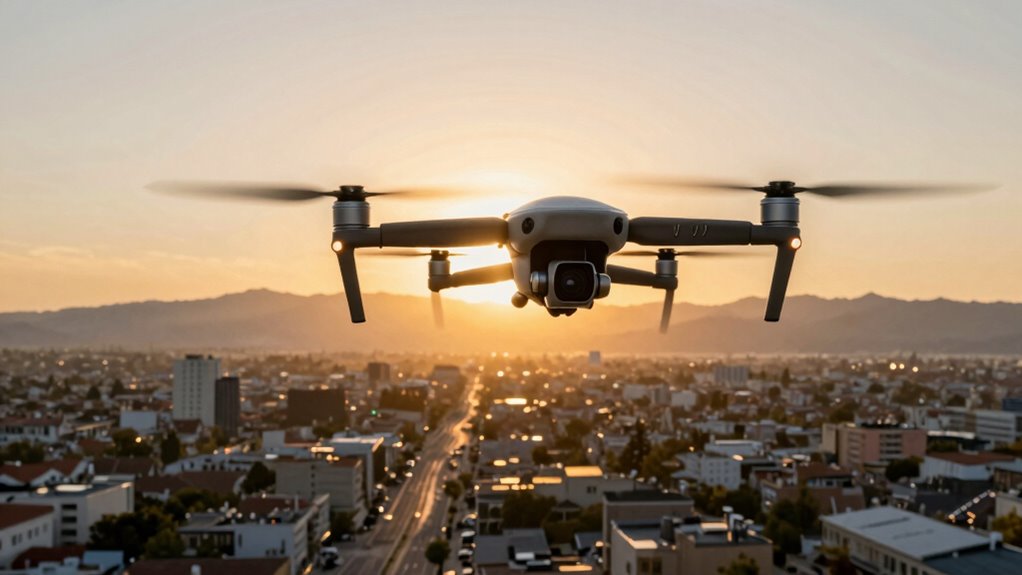

Telephoto drone cameras change your shot planning by giving you precise control over framing and composition from a distance. They let you zoom and focus on specific subjects in real-time, reducing the need to reposition your drone constantly. This flexibility helps you adapt quickly to changing conditions and capture sharper images with less post-production work. Using telephoto lenses also opens up new creative possibilities, so you can explore more dynamic and cinematic shots. Keep going to discover how these tools expand your creativity even further.

Get the latest gadgets delivered free — and shop member deals
- Fast, free delivery on millions of items
- Access to Prime Big Deal Days deals on October 6–7
- Prime Video, Amazon Music and more included
Key Takeaways
- Enable dynamic zooming and framing adjustments during flight, reducing the need for pre-planned shots.
- Allow capturing detailed distant subjects without repositioning the drone, streamlining shot sequences.
- Enhance flexibility to adapt to changing lighting and environmental conditions in real-time.
- Minimize the necessity for multiple passes or repositioning, saving time and effort in shot planning.
- Offer creative versatility by combining wide and telephoto perspectives in a single flight.
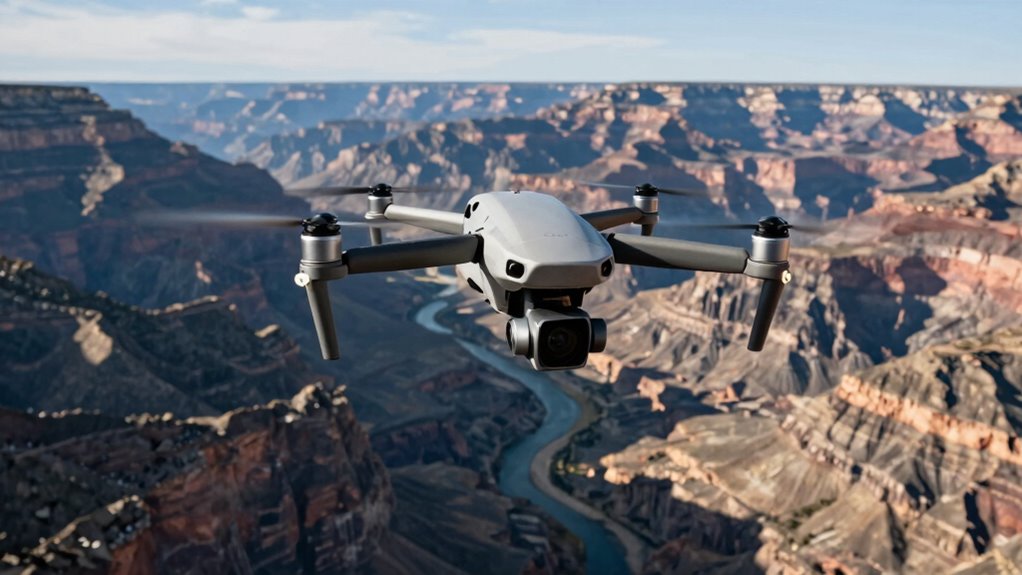
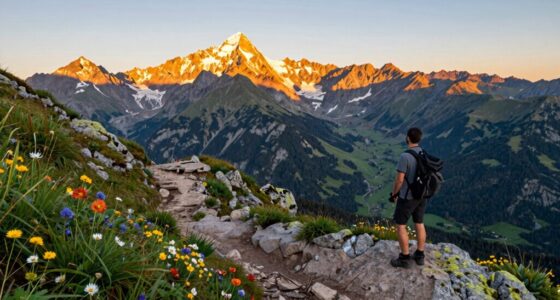
Telephoto drone cameras are revolutionizing shot planning by allowing filmmakers and photographers to capture distant subjects with remarkable detail and clarity. When you use these cameras, you’re able to achieve a unique aerial perspective that was once difficult or impossible to obtain without helicopters or expensive equipment. This shift means you can now shoot from high altitudes while maintaining a tight composition on your subject, creating a sense of scale and depth that immerses viewers into your scene.
One of the key advantages of telephoto drone cameras is the ability to perform focal length adjustment seamlessly. Instead of relying on wide-angle lenses that can distort or diminish the importance of your subject, you can zoom in to isolate and emphasize specific elements. This flexibility allows you to fine-tune your framing in real-time, giving you precise control over how much of the background or foreground is included. As a result, you can craft more compelling, visually balanced shots that direct the viewer’s attention exactly where you want it.
This capacity to adjust focal length on the fly changes your approach to shot planning entirely. You no longer need to pre-visualize every detail, as you can adapt your framing during the flight. This means you can respond to changing conditions, such as shifting light or unexpected movement, with agility. It also enables you to experiment with different perspectives—zooming in for intimate close-ups or stepping back for sweeping vistas—without changing your drone’s position. This versatility streamlines your workflow and expands your creative options. Additionally, the focal length adjustment feature helps you achieve more cinematic results and enhances your storytelling capabilities. It also offers greater creative flexibility, allowing you to adapt your shots to the evolving narrative or environment.
Furthermore, telephoto capabilities help you manage your shot composition more effectively. When you want to capture distant objects—like wildlife, architectural details, or landscape features—you can do so without sacrificing image quality. The enhanced zoom ensures you maintain sharpness and clarity, making your footage more professional and impactful. The ability to control focal length also reduces the need for post-production cropping or stabilization, saving you time and effort. This technological advancement has made aerial imaging more accessible and flexible for creators of all skill levels. Incorporating ethical shooting practices can ensure your work remains environmentally responsible and sustainable in the long run.
As an affiliate, we earn on qualifying purchases.
Frequently Asked Questions
How Do Telephoto Drone Cameras Affect Battery Life?
Telephoto drone cameras can impact your drone’s battery life by increasing power consumption due to their advanced optics and stabilization systems. To optimize battery life, you should focus on battery optimization strategies, such as reducing unnecessary camera operations and flight time. Keep in mind that higher power consumption means your drone drains its battery faster, so plan your shots efficiently and monitor your battery levels closely to avoid unexpected landings.
What Are the Legal Restrictions for Telephoto Drone Use?
Imagine you’re capturing a scenic landscape with a telephoto drone camera, but local regulations restrict flying near airports or over private property. You must guarantee legal compliance by obtaining necessary permits and respecting privacy concerns. Laws vary by location, so check your country’s drone regulations, avoid restricted zones, and be mindful of privacy laws. Following these rules helps you fly responsibly while capturing stunning shots without legal issues.
How Do Weather Conditions Impact Telephoto Drone Shots?
Weather unpredictability and lighting variability greatly impact your telephoto drone shots. Sudden wind gusts can cause stability issues, blurring your images or video. Overcast skies or changing sunlight can affect exposure, making it tricky to get clear, well-lit footage. You need to monitor weather conditions closely, plan for potential delays, and adjust camera settings on the fly to guarantee sharp, high-quality shots despite these challenges.
What Safety Measures Are Necessary for Telephoto Drone Filming?
Think of flying your drone like walking a tightrope; safety is your balance. You need strict safety protocols and thorough risk assessment before filming. Keep a safe distance from people and obstacles, guarantee your drone is well-maintained, and use fail-safe features. Always check weather conditions, have emergency procedures in place, and fly within legal limits. These steps protect you and others while capturing stunning telephoto shots.
How Does Lens Quality Influence Shot Planning?
Lens quality directly affects your shot planning because high-quality lenses with precise calibration guarantee sharp, clear images even at long distances. Good image stabilization minimizes vibrations, helping you capture steady footage. When planning shots, you’ll consider how lens calibration and stabilization can reduce the need for extensive post-processing. This allows you to confidently set your drone’s position and focus, knowing your footage will be crisp and stable, saving time and effort.
As an affiliate, we earn on qualifying purchases.
Conclusion
With telephoto drone cameras, your shot planning becomes more precise and creative, like a painter with a broader palette. You can capture distant details and dramatic perspectives that were once out of reach, transforming your vision into reality. Embrace these tools, and watch your storytelling soar to new heights—each shot a brushstroke on your cinematic canvas. Just as a lighthouse guides ships through darkness, these cameras illuminate your path to stunning, unforgettable visuals.
aerial camera with focal length adjustment
As an affiliate, we earn on qualifying purchases.
As an affiliate, we earn on qualifying purchases.
professional drone camera for filmmaking
As an affiliate, we earn on qualifying purchases.
As an affiliate, we earn on qualifying purchases.
Fall Picks
fall essentials
As an affiliate, we earn on qualifying purchases.