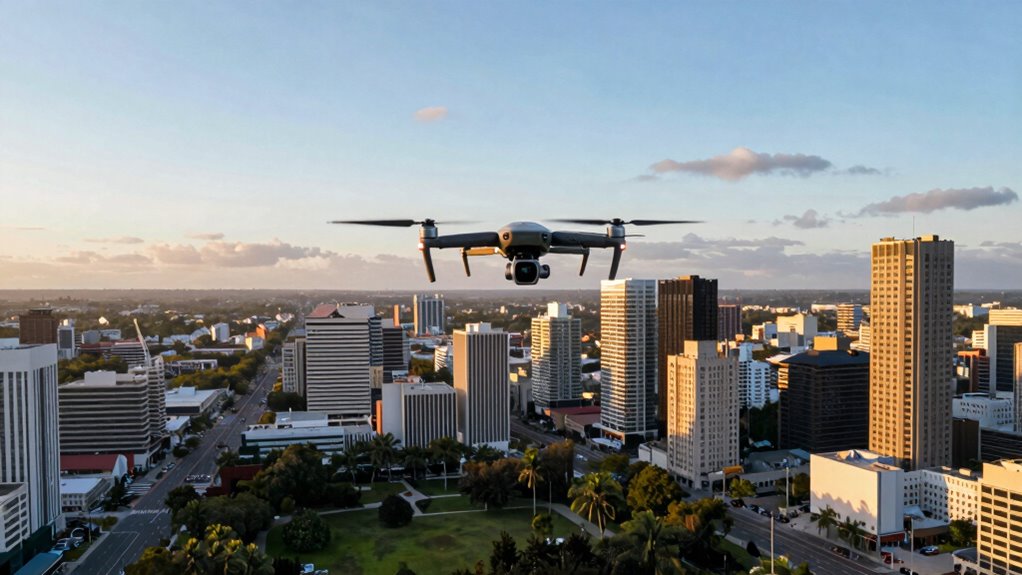

To make your drone content more consistent across locations, start by standardizing your camera settings like resolution, frame rate, and color profiles. Shoot during similar lighting conditions, such as early mornings or late afternoons, and adjust settings as weather changes. Keep an eye on environmental factors like wind and humidity, and follow safety protocols to prevent disruptions. Regularly review footage to fine-tune your approach and guarantee visual cohesion—more tips await to help you perfect your footage.

Get the latest gadgets delivered free — and shop member deals
- Fast, free delivery on millions of items
- Access to Prime Big Deal Days deals on October 6–7
- Prime Video, Amazon Music and more included
Key Takeaways
- Standardize camera settings such as resolution, frame rate, and color profiles for uniform footage.
- Shoot during similar lighting conditions, like early mornings or late afternoons, for consistency.
- Adjust camera settings dynamically to match changing weather and environmental factors.
- Regularly review footage to identify inconsistencies and refine shooting techniques accordingly.
- Follow safety protocols and maintain equipment to ensure stable, high-quality drone footage across locations.
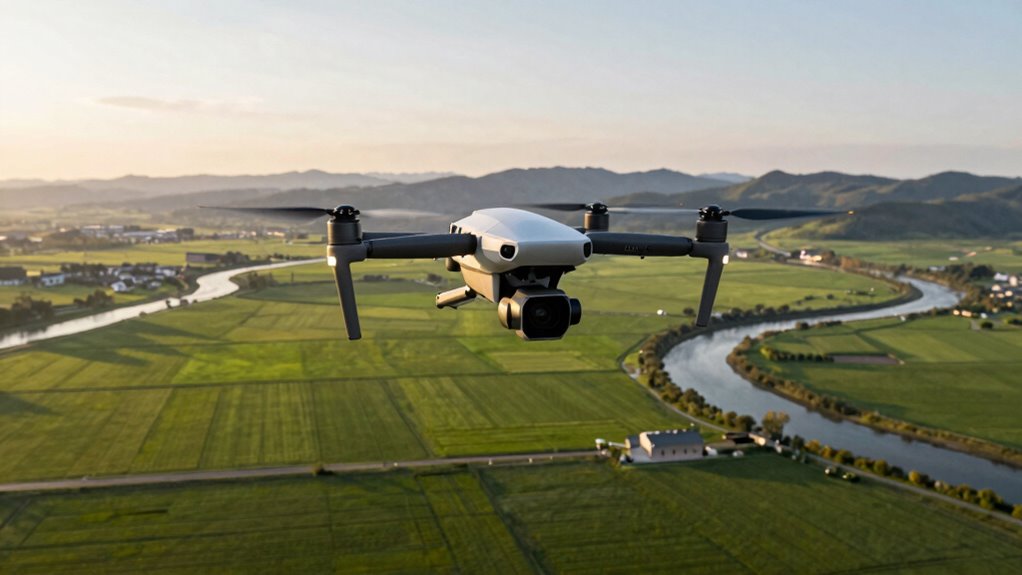
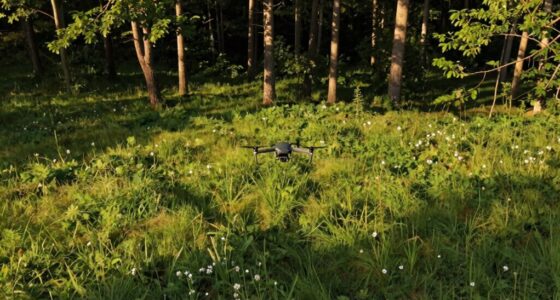
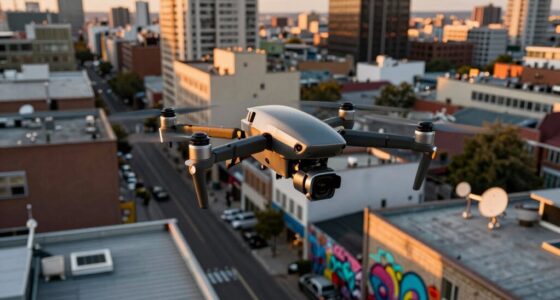
To make your drone content more uniform across different locations, aim to establish consistent camera settings. Use the same resolution, frame rate, and color profiles whenever possible. This creates a visual continuity that ties your footage together, making linkages between scenes seamless. Pay attention to lighting conditions as well. Early mornings or late afternoons often provide the best natural light, which remains relatively consistent across locations. If you’re shooting in varying weather conditions, adjust your camera settings accordingly but try to maintain a similar exposure and color balance. Additionally, ensuring your drone safety practices are up to date helps prevent unexpected disruptions that could affect your footage quality. Maintaining consistent lighting conditions can also greatly enhance the cohesiveness of your content across different sites. Being aware of environmental factors such as wind or humidity can further help in capturing stable and high-quality footage across diverse settings. Regularly reviewing your footage and making slight adjustments based on environmental changes can also contribute to a more uniform visual style. Incorporating standardized protocols for your shooting process can help ensure consistency regardless of location.
As an affiliate, we earn on qualifying purchases.
Frequently Asked Questions
What Drone Settings Should I Adjust for Different Weather Conditions?
Adjust your drone settings based on weather conditions by prioritizing camera stabilization to keep footage smooth in windy or turbulent air. In colder weather, reduce exposure to prevent overexposure or fogging, and manage your battery carefully—bring extra batteries and avoid rapid temperature changes. For rainy or humid conditions, verify your drone’s weather sealing is intact and monitor battery levels closely to prevent power loss. Proper adjustments ensure consistent, high-quality footage regardless of weather.
How Can I Ensure Consistent Lighting Across Various Shooting Locations?
You can guarantee consistent lighting across locations by performing lighting calibration before each shoot, adjusting your drone’s exposure settings to match the environment. After capturing footage, use color grading to unify the look, correcting color temperature and brightness discrepancies. Regularly calibrate your drone’s camera settings and develop a standard color grading workflow, helping your content stay visually cohesive despite different lighting conditions in various locations.
What Post-Processing Techniques Help Standardize Footage From Different Sites?
Think of post-processing as a bridge connecting different worlds. To standardize footage, you should focus on color grading, which adjusts hues and tones for a uniform look, and noise reduction, eliminating graininess from low-light shots. Use these techniques to create a seamless visual flow, making your drone content appear consistent regardless of the location. This approach guarantees your footage tells a cohesive story, engaging viewers with a polished, professional feel.
How Do I Plan Flight Paths for Diverse Terrain Types?
To plan flight paths for diverse terrain types, start with a thorough pre-flight checklist to guarantee your drone’s ready and safe. Conduct terrain analysis to identify obstacles, elevation changes, and no-fly zones. Use this information to set waypoints and altitude adjustments, adapting your flight plan to each environment. This careful planning minimizes risks and helps you capture consistent, high-quality footage across various locations.
What Safety Considerations Are Unique to Certain Locations?
Think of flying your drone as steering a busy river—you need to respect every bend and obstacle. You must be aware of location-specific regulations, which vary widely and can restrict your flight. Environmental hazards, like strong winds or wildlife, pose additional risks. Always research your destination beforehand, follow rules, and stay alert to hazards, ensuring your drone flight stays safe, legal, and respectful of the environment.
drone camera stabilization gimbal
As an affiliate, we earn on qualifying purchases.
As an affiliate, we earn on qualifying purchases.
Conclusion
By planning ahead and understanding each location’s unique features, you can weave a seamless tapestry of drone footage that tells a cohesive story. Think of your content as a river, flowing smoothly from one scene to the next, no matter how diverse the landscape. With consistent techniques and a keen eye for detail, your drone footage will paint a vivid picture that feels as harmonious as a symphony—regardless of where your journey takes you.
drone weather sealing accessories
As an affiliate, we earn on qualifying purchases.
As an affiliate, we earn on qualifying purchases.
professional drone camera filters
As an affiliate, we earn on qualifying purchases.
As an affiliate, we earn on qualifying purchases.
Fall Picks
fall essentials
As an affiliate, we earn on qualifying purchases.