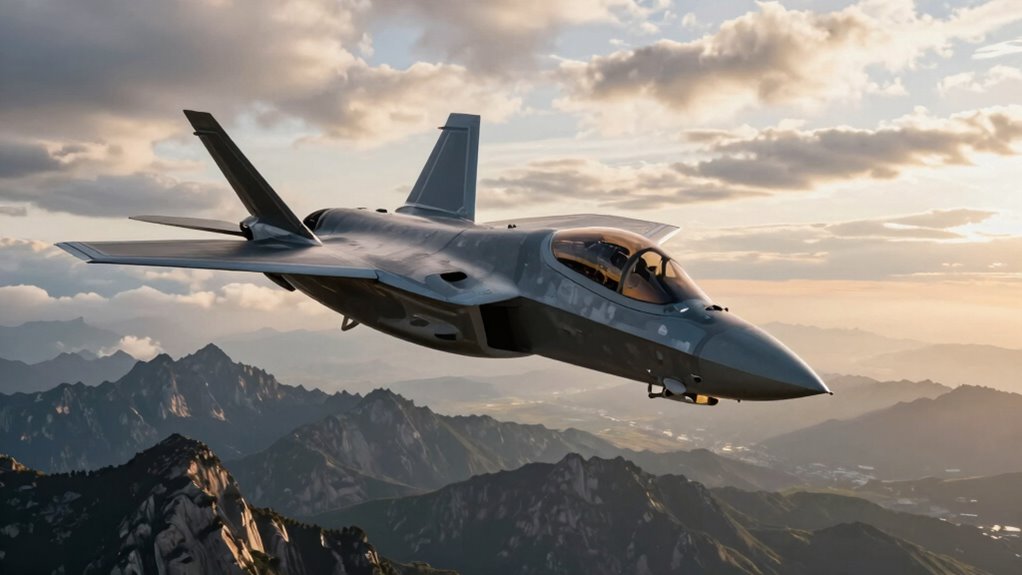

You keep improving because you understand that continuous practice, motivation, and a growth mindset are key. Those who avoid plateauing actively seek new challenges, reinforce skills, and stay engaged through regular training. A strong sense of purpose, setting personal goals, and surrounding yourself with mentors also boost your drive. If you want to stay sharp and elevate your skills, focusing on these areas is essential. Keep going, and you’ll discover more ways to maintain your edge.
Open a free Amazon Business account
Business pricing, bulk buying and tax-exempt orders.
As an affiliate, we earn on qualifying purchases.
Key Takeaways
- Pilots who maintain consistent practice and deliberate training prevent skill fade and continue progressing.
- Strong internal motivation and clear personal goals drive ongoing learning and skill development.
- Supportive environments and mentorship foster growth, while complacent settings hinder improvement.
- Recognizing motivation fluctuations allows pilots to implement strategies to reignite their passion.
- Continuous learning and embracing new challenges keep skilled pilots engaged and evolving.

Many pilots find themselves reaching a plateau at some point in their careers, but others continue to improve steadily. The difference often lies in how they approach skill retention and what motivates them to keep pushing forward. Skill retention is vital because flying is a complex task that requires ongoing practice to maintain proficiency. If you neglect regular training or fail to challenge yourself with new scenarios, your skills can fade, making it harder to progress. Conversely, pilots who actively find ways to reinforce their knowledge—through recurrent training, simulator sessions, or staying current with new procedures—maintain sharper skills. This consistent effort helps prevent the natural decline that can come with time and complacency.
Consistent practice and ongoing training are essential to prevent skill decline and maintain proficiency in flying.
Motivation factors play a significant role in whether you plateau or keep improving. When your motivation is driven by a genuine passion for flying, a desire to master new techniques, or career advancement goals, you’re more likely to seek out opportunities for growth. These motivations push you to go beyond the minimum requirements, embrace additional training, and stay engaged with industry developments. On the other hand, if your motivation wanes—perhaps due to burnout, complacency, or lack of clear objectives—you’re less inclined to invest effort into skill development. Without a strong internal drive, it’s easy to settle into comfort zones and stop challenging yourself.
You might also find that your motivation factors are influenced by external elements, such as mentorship, feedback, or the culture within your flying community. When you have mentors encouraging continuous learning or receive constructive feedback, you’re more likely to stay motivated and aware of areas needing improvement. Conversely, working in an environment that values routine over growth can dampen your enthusiasm for skill development, leading to stagnation. Additionally, ongoing practice helps reinforce the importance of consistent effort in skill maintenance. Developing a mindset of continuous learning can also help keep your skills fresh and relevant as industry standards evolve. Furthermore, understanding the science of skill retention highlights the importance of strategic practice and review in maintaining proficiency over time. Incorporating deliberate practice techniques can accelerate skill mastery and help solidify knowledge, especially in high-pressure situations. Recognizing that motivation fluctuations are natural can also empower you to find ways to reignite your passion for flying during challenging times.
Maintaining skill retention and staying motivated are interconnected. Regularly reviewing and practicing your skills keeps you confident and prepared for unexpected situations. Simultaneously, setting personal goals or seeking new certifications can reignite your motivation and give your career a fresh sense of purpose. Ultimately, the pilots who keep improving understand that continuous learning is essential—not just for safety but also for personal satisfaction. They actively seek challenges, stay curious, and recognize that growth doesn’t happen by accident; it’s a conscious effort driven by motivation and a commitment to retaining and enhancing their skills.
pilot simulator training equipment
As an affiliate, we earn on qualifying purchases.
As an affiliate, we earn on qualifying purchases.
Frequently Asked Questions
How Do Personality Traits Influence Pilot Performance?
Personality traits greatly influence your pilot performance by shaping your decision-making and response to stress. If you’re naturally disciplined and keen to learn, your learning style becomes more effective, helping you improve consistently. Conversely, traits like complacency or fear can hinder progress. Understanding your personality traits allows you to adapt your learning strategies, stay motivated, and continually refine your skills, ultimately boosting your performance and helping you avoid plateaus.
Can Technological Advancements Impact a Pilot’s Learning Curve?
Technological advancements like artificial intelligence and simulator technology can considerably impact your learning curve as a pilot. These tools provide realistic, varied scenarios that help you practice responses without risk, accelerating skill development. AI offers personalized feedback, highlighting areas for improvement. As a result, you can adapt faster, refine your techniques, and stay up-to-date with the latest aviation standards, ultimately boosting your confidence and competence in the cockpit.
What Role Does Mentorship Play in Continuous Improvement?
Mentorship plays a crucial role in your continuous improvement by providing guidance, sharing expertise, and offering constructive feedback. The benefits of mentorship include accelerated learning, increased confidence, and expanded skill sets. Peer collaboration through mentorship helps you stay motivated, learn new techniques, and adapt to challenges more effectively. Engaging with experienced mentors creates a supportive environment that encourages ongoing growth, ensuring you keep advancing your skills and avoid stagnation.
How Do External Factors Affect a Pilot’s Development Trajectory?
External factors like environmental disruptions and regulatory changes can markedly influence your development trajectory. Environmental disruptions may force you to adapt quickly, challenging your skills and pushing you to grow. Regulatory changes might require you to learn new procedures, which can either slow your progress or open opportunities for improvement. Embracing these external influences helps you stay resilient and continuously enhance your abilities, preventing stagnation in your pilot career.
Are There Specific Training Methods That Prevent Plateauing?
Like a well-tuned radio, simulation training keeps your skills sharp and prevents plateauing. You immerse yourself in realistic scenarios, gaining experience without risk. Feedback loops are essential—they help you identify mistakes and adjust your technique quickly. Consistent use of simulation and active feedback creates continuous improvement, ensuring you stay ahead of stagnation. This dynamic approach keeps your skills evolving, preventing the static feeling of hitting a ceiling in your pilot development.
pilot skill retention training courses
As an affiliate, we earn on qualifying purchases.
As an affiliate, we earn on qualifying purchases.
Conclusion
So, what sets the continually improving pilots apart from those who plateau? It’s all about mindset, persistence, and embracing challenges as growth opportunities. You have the power to push past your comfort zone and keep climbing. Are you ready to take control of your flight path and access your full potential? Remember, the skies are never the limit when you choose to keep improving and learning every step of the way.
aviation training practice tools
As an affiliate, we earn on qualifying purchases.
As an affiliate, we earn on qualifying purchases.
professional pilot mentorship programs
As an affiliate, we earn on qualifying purchases.
As an affiliate, we earn on qualifying purchases.
College move-in / dorm season Picks
dorm essentials
As an affiliate, we earn on qualifying purchases.