To avoid annoying people when flying your drone, always respect privacy by keeping a safe distance from private properties and avoiding overflights of homes. Choose open, public spaces where drone flying is permitted, and stay aware of local rules and no-fly zones. Keep noise levels low by selecting quiet models and limiting flight time. Communicate politely if approaching others or seeking permission. Following these guidelines helps guarantee smooth flights and happy neighbors—there’s more to discover on how to fly responsibly.
Key Takeaways
- Respect privacy by avoiding overflights of private yards, windows, or personal spaces.
- Choose open, designated areas and maintain at least 50 meters distance from people.
- Fly quietly with noise-reduction features and keep flights brief to minimize disruption.
- Follow local regulations, including no-fly zones and altitude limits, and obtain permission when necessary.
- Communicate politely with others, ask for permission, and explain your intentions to build trust and avoid annoyance.
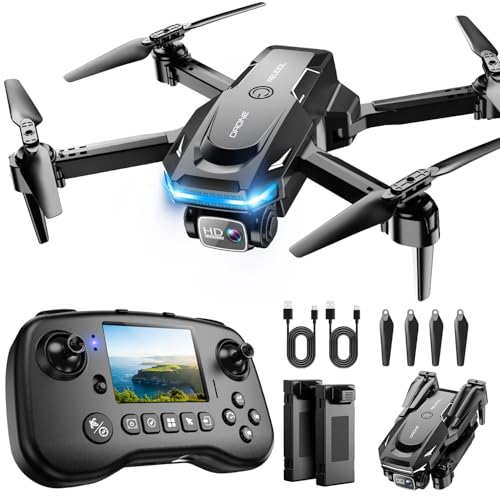
Drone with Camera - Drone with Screen on Controller for Beginners, Foldable Remote Control Quadcopter with Gesture Control, 3D Flip, One Key Start, Emergency Stop, 2 Batteries, Easier to use
The PK01 drone's remote comes with a super handy built-in screen—no phone needed—so you can watch live HD...
As an affiliate, we earn on qualifying purchases.
Respect Privacy Boundaries

To respect privacy boundaries while flying a drone, you need to be aware of what areas are off-limits. Pay attention to your camera angles, avoiding angles that could intrude on someone’s personal space or private moments. Adjust your camera to focus on scenic views rather than people’s yards, windows, or backyards. Planning your flight paths carefully helps prevent accidental overflights of private property. Keep a respectful distance and stay above public spaces, avoiding hovering near homes or private properties. Remember, even if you’re technically allowed to fly in an area, maintaining respectful camera angles and flight paths shows consideration for others’ privacy. Being mindful of these boundaries helps you fly responsibly and avoid causing discomfort or privacy violations. Incorporating privacy-aware drone practices is essential for respectful flying and maintaining good relationships with your community. For added assurance, stay informed about local regulations and privacy laws, which can vary by region and help you avoid unintentional infringements. Additionally, understanding personal privacy concerns can help you better navigate sensitive situations and foster community trust. Regularly consulting regulatory updates ensures you remain compliant as rules evolve. Being aware of the technological capabilities of your drone can also help you better manage privacy risks.

GPS Drone with 4K Camera for Adults, FPV RC Quadcopter, 90-min Flight Time, Auto Return, GPS Follow, Circle Fly, 5-inch LCD Tablet Screen, Brushless Motor, Lightweight Foldable Drone for Beginners
Drones with 4K Camera: Features a 90° adjustable HD camera for capturing 4K photos and high resolution videos....
As an affiliate, we earn on qualifying purchases.
Choose Appropriate Flying Locations
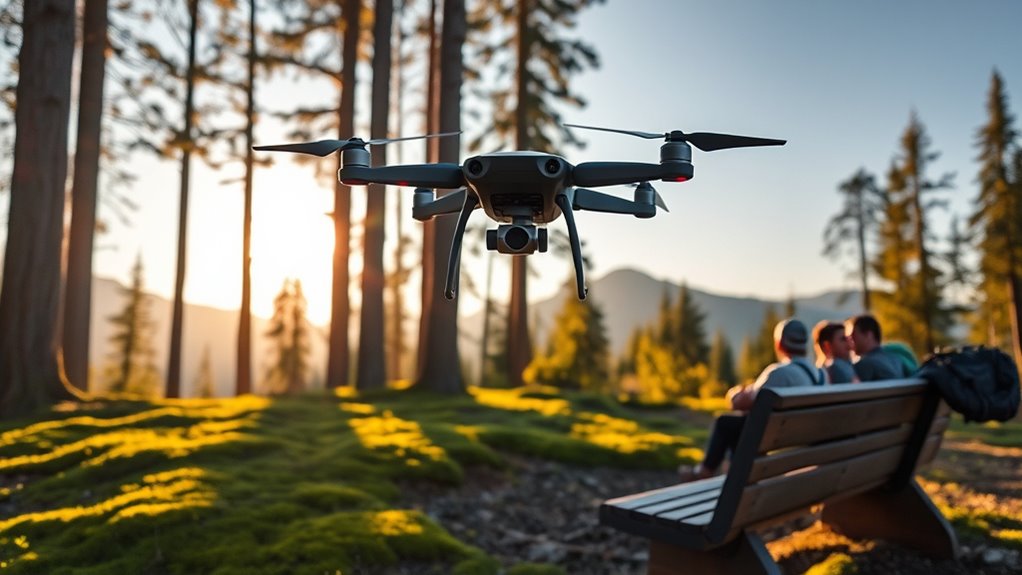
You should always respect private property boundaries when flying your drone to avoid disturbing others. Opt for public and open spaces where drone flying is permitted and safe. Choosing the right locations helps you fly responsibly and keeps everyone comfortable. Additionally, selecting appropriate flying locations that follow local regulations and safety guidelines ensures a positive experience for all. Being aware of regulated airspace can help prevent accidental violations and promote safe flying practices. Understanding airspace regulations is essential to ensure compliance and avoid legal issues during your flights. Recognizing designated no-fly zones can further help you avoid unintentional infringements and ensure respectful operation of your drone. Incorporating attention to detail can further enhance safety and adherence to rules during your flights.
Respect Private Property Boundaries
Flying your drone responsibly means always respecting private property boundaries. You need to be aware of where your drone is flying to maintain drone safety and avoid trespassing. Before launching, check property lines and local regulations to guarantee you’re within legal limits. Keep an eye on airspace awareness to prevent entering restricted zones or causing disturbances. Respecting boundaries shows consideration for others and helps prevent conflicts or complaints. Additionally, understanding drone regulations and no-fly zones is crucial to ensure compliance and safe operation. Being informed about airspace regulations helps you navigate complex restrictions and avoid penalties. Furthermore, staying updated on local ordinances can prevent inadvertent violations and promote responsible flying. – Always verify property lines before flying – Avoid flying over private homes without permission – Use maps or GPS features to stay within legal zones – Be mindful of no-fly zones and restricted airspace – Maintain visual line-of-sight at all times. Regularly reviewing drone safety guidelines can enhance your awareness and ensure responsible operation. Additionally, familiarizing yourself with geofencing technology can further help prevent accidental violations and enhance safety.
Select Public and Open Spaces
Selecting the right location is key to flying your drone responsibly and enjoying the experience. Public and open spaces like parks, designated drone zones, or wide fields provide safe environments that minimize disturbances. These areas often have fewer people and respect wildlife interaction, reducing the risk of startling animals or damaging habitats. When selecting a spot, consider local regulations and avoid crowded areas to prevent annoyance. For aerial photography tips, open spaces offer unobstructed views and better lighting conditions. Always keep a respectful distance from wildlife, and avoid flying too close to trees or water to prevent accidents. Additionally, understanding safe installation practices helps ensure your drone operation remains responsible and environmentally conscious. Being aware of local rules and restrictions can further help you avoid unintended infractions. Conducting a quick assessment of the local wildlife and plant life can help you avoid sensitive areas and protect ecosystems. Educating yourself about drone safety guidelines can further enhance responsible flying and reduce risks. Keeping informed about seasonal wildlife activity can help you plan flights that minimize disturbance during sensitive periods. By choosing appropriate locations, you ensure a smooth, respectful flying experience that benefits both you and the environment.
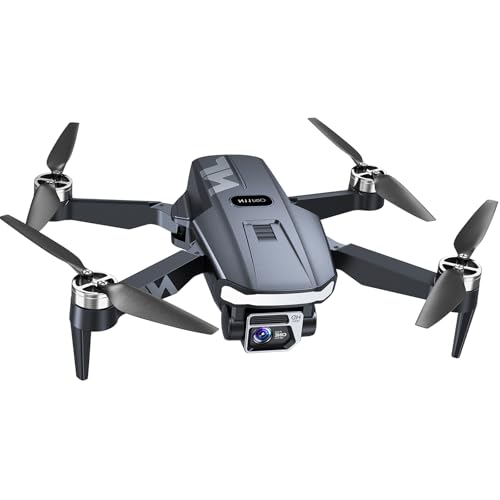
4K GPS Drone with Camera for Adults 90 Min Flight Time, N11 PRO 5G FPV, Brushless, Auto Return, Follow Me, Long Range Quadcopter for Beginners
FAA-Registration Exempt & Portable:Weighing under 0.55 lbs, the NAFYRE N11 PRO is a mid-sized GPS drone that requires...
As an affiliate, we earn on qualifying purchases.
Maintain Safe Distances From People

Maintaining a safe distance from people is essential to prevent accidents and respect privacy when operating a drone. You should always consider your drone’s visual distance and flight altitude to keep others safe. Flying too close can cause discomfort or injuries, so stay well back from crowds or individuals. Adjust your drone’s flight altitude to ensure it remains at a safe height above people and private property. Additionally, planning your flight path in eco-friendly travel areas can help minimize environmental impact and avoid disturbing wildlife or residents. To help you stay safe, keep these tips in mind:
- Maintain a minimum distance of 50 meters from people
- Keep your drone at a high enough altitude to avoid startling others
- Use visual distance to monitor how close you are to people
- Avoid sudden or aggressive movements near individuals
- Respect privacy boundaries by staying clear of private spaces
- Be aware of local regulations that may restrict drone flight in certain areas to ensure compliance and safety
- Consider outdoor transformation essentials to create a safe and enjoyable environment for everyone.

Ruko U11MINI 4K (RC3), Professional 8K Drone with 5.5" Touchcreen, Drones with camera for Adults 4K Video, 3-Axis Gimbal, 20000ft FPV Transmission, Under 249g FAA Exempt, Beginner (64-Min Flight)
【Smart Touchscreen, No Phone Needed】The integrated 5.5" 1080P touchscreen controller eliminates the need for phone tethering or messy...
As an affiliate, we earn on qualifying purchases.
Keep Noise Levels in Check
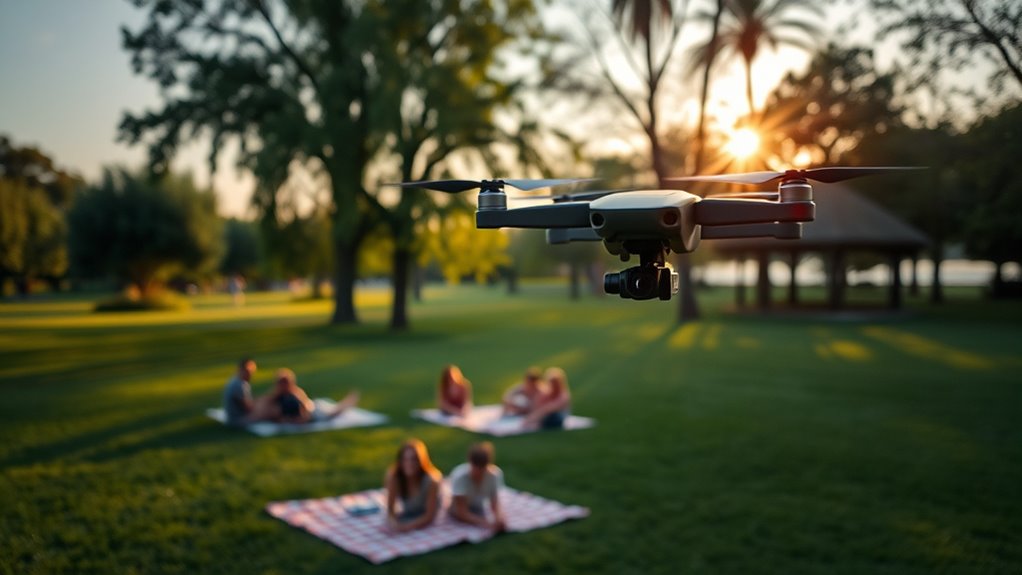
To keep noise levels in check, choose quieter drone models that won’t disturb your surroundings. Fly during daylight hours to minimize noise impact on others, and keep your flights brief to avoid unnecessary disruption. Being mindful of these points helps make sure your drone activities stay respectful and unobtrusive.
Choose Quiet Models
Ever wondered how to enjoy flying your drone without disturbing others? Choosing a quieter model is a smart move. Look for drones with soundproof casings that dampen noise and models equipped with quiet propellers designed to reduce sound during flight. These features make a noticeable difference in noise levels, ensuring you don’t disturb nearby residents or wildlife. When selecting a drone, consider these options:
- Drones with soundproof casings
- Models with quiet propellers
- Smaller, lightweight drones
- Low RPM motor options
- Drones with noise reduction technology
Opting for quieter models helps you stay respectful and keeps your flying experience enjoyable for everyone around you. Remember, a quieter drone isn’t just better for your surroundings—it’s better for your reputation as a considerate pilot.
Fly During Daylight
Flying your drone during daylight hours not only improves visibility but also helps keep noise levels in check. Good lighting conditions make it easier to see obstacles and control your drone, reducing accidental disturbances. Weather considerations like wind or rain can affect your flight stability and noise output, so plan accordingly. Flying in daylight minimizes the need for artificial lighting, which can draw unwanted attention. Use the table below to stay prepared:
| Lighting Conditions | Weather Considerations | Noise Impact |
|---|---|---|
| Bright, clear skies | Calm, dry weather | Quieter operation |
| Overcast days | Windy conditions | Less noise echoing |
| Dusk or dawn | Precipitation risks | Slightly louder in wind |
Sticking to daylight hours ensures safer, more discreet flights, respecting others’ peace.
Limit Flight Duration
How long you keep your drone in the air directly impacts noise levels and overall safety. Limiting flight duration helps prevent disturbance and conserves battery management. Always monitor weather considerations, as wind or rain can shorten your flight time unexpectedly. Keep your flights brief to minimize noise and avoid annoying neighbors.
- Plan your flights to stay within your drone’s ideal battery life
- Check weather conditions before flying to avoid sudden changes
- Use low-noise settings when available
- Avoid flying near quiet neighborhoods or during late hours
- Practice quick take-offs and landings to reduce noise disruptions
Be Mindful of Local Regulations
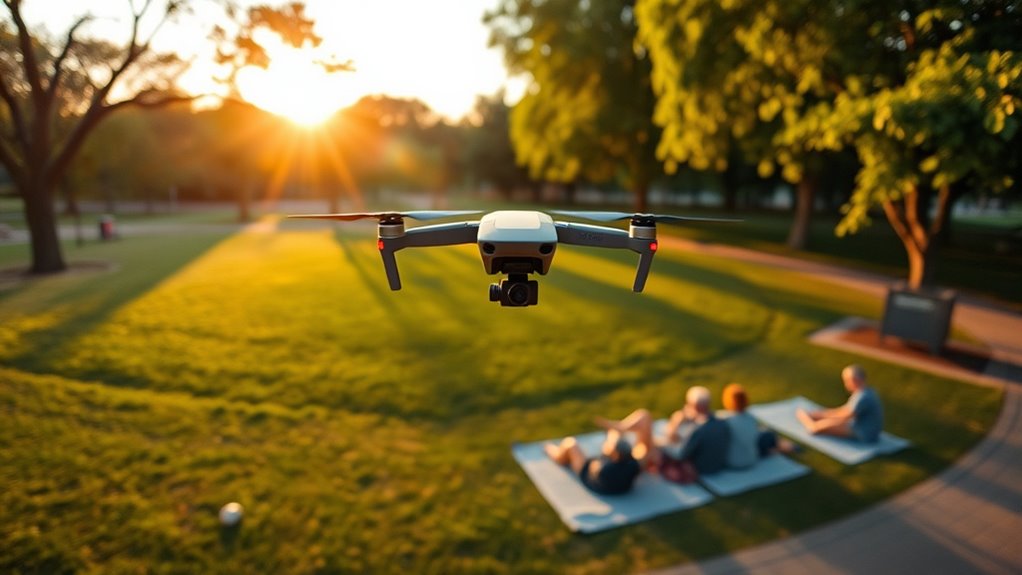
Are you aware of the local regulations that govern drone use in your area? Knowing these rules helps you avoid fines and conflicts. Check for airspace restrictions that limit where you can fly, especially near airports or sensitive sites. Many places require drone registration, and flying without it can lead to penalties. Some areas have specific altitude limits or designated zones for drone operation. Always review and follow these regulations before your flight. Ignoring local laws not only risks legal trouble but also annoys others and disrupts safety. Being informed shows respect for your community and ensures your drone flights stay smooth and enjoyable. Remember, compliance is key to responsible and courteous drone flying.
Communicate and Seek Permission When Necessary

When you’re out flying your drone, clear communication and asking for permission can prevent misunderstandings and conflicts. Use signaling gestures or verbal communication to let others know your intentions. For example, wave or make eye contact before capturing footage near people, and ask permission if you plan to fly over private property. Respect others’ comfort and privacy by checking if they’re okay with your drone nearby. Always seek consent before filming or approaching wildlife. Remember, a friendly approach builds trust and minimizes annoyance.
- Use signaling gestures to indicate your drone’s movements
- Verbally ask permission when flying near individuals or private property
- Respect people’s responses and boundaries
- Explain your intentions when approached by others
- Keep communication polite and transparent
Frequently Asked Questions
Can I Fly My Drone Over Private Property Without Permission?
You generally can’t fly your drone over private property without permission, as it often violates legal boundaries and privacy concerns. Even if you’re within legal limits, flying over someone’s land without consent can lead to disputes or legal trouble. Always respect property rights by seeking permission or staying above public areas. Being mindful of privacy assists in avoiding conflicts and ensures a responsible flying experience.
What Should I Do if Someone Complains About My Drone?
Ever wonder how to handle complaints about your drone? First, stay calm and listen carefully, showing respect for their privacy concerns. Then, explain your intentions and reassure them you’re flying responsibly. Wouldn’t you want others to communicate respectfully if they caused concern? Responding with respectful communication helps resolve issues smoothly, and it demonstrates you’re considerate of others’ privacy and comfort while enjoying your drone.
Are There Specific Times of Day When Drone Flying Is Prohibited?
You should avoid flying your drone during times restricted by local noise ordinances, typically late at night or early mornings. Many areas have specific time restrictions to minimize disturbance, so check your local regulations before flying. Flying within designated hours guarantees you’re respecting community rules and avoiding fines. Always verify the rules in your area, as restrictions can vary, and flying at appropriate times helps keep drone use enjoyable for everyone.
How Do I Identify Restricted Airspace in My Area?
You can identify restricted airspace in your area by checking airspace maps online or through official drone apps that highlight drone zones. These maps show no-fly zones, airports, and other restricted areas, helping you stay compliant. Always review local regulations before flying, and look for updates on temporary restrictions. This way, you avoid accidentally entering restricted airspace and causing safety or legal issues.
What Equipment Can Help Reduce Drone Noise?
If you want to keep your drone’s noise down, you’re in luck—there are noise reduction tools available. Look into muffler options designed specifically for drones; these can markedly cut down the sound. Additionally, you can explore other noise reduction accessories like sound dampening pads or propeller modifications. By doing these, you’ll keep your flights more neighbor-friendly and avoid the “rock and a hard place” situation with annoyed onlookers.
Conclusion
By following these drone etiquette tips, you’ll guarantee your flights remain a joy rather than a nuisance. Respect privacy, choose good spots, keep safe distances, and stay within local laws—like a modern-day Robin Hood, but instead of stealing from the rich, you’re sharing breathtaking views. Remember, flying responsibly keeps everyone happy and helps you avoid the wrath of angry villagers or stern sheriffs. Happy flying, and may your drone adventures be as legendary as King Arthur’s tales!