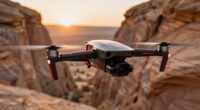
To practice drone moves without wasting battery life, choose open, obstacle-free spaces that allow steady flight and minimal disruptions. Fully charge your batteries before each session, and keep a close eye on battery levels to land before power runs out. Disable non-essential features like lights and camera stabilization to conserve energy. Practice slowly at first and gradually increase difficulty, focusing on smooth, deliberate moves. Continued tips will help you extend your practice sessions even further.

Get the latest gadgets delivered free — and shop member deals
- Fast, free delivery on millions of items
- Access to Prime Big Deal Days deals on October 6–7
- Prime Video, Amazon Music and more included
Key Takeaways
- Choose open, obstacle-free areas to minimize unnecessary maneuvers and conserve battery.
- Turn off non-essential features like LEDs and camera stabilization during practice.
- Practice slow, deliberate movements to build skills without draining power quickly.
- Monitor battery levels closely and land immediately on low battery warnings.
- Break complex maneuvers into smaller steps and gradually increase difficulty to save energy.
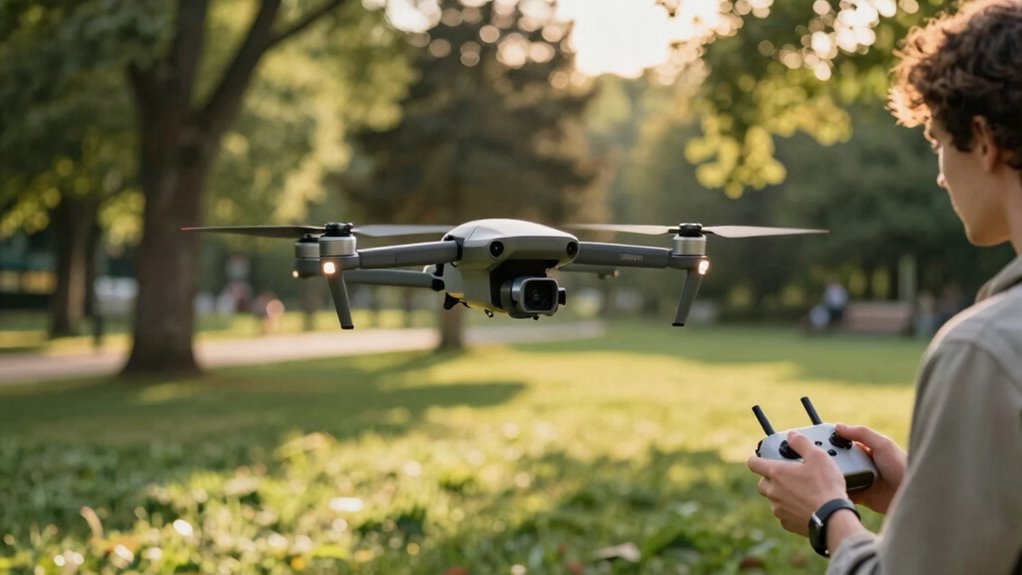
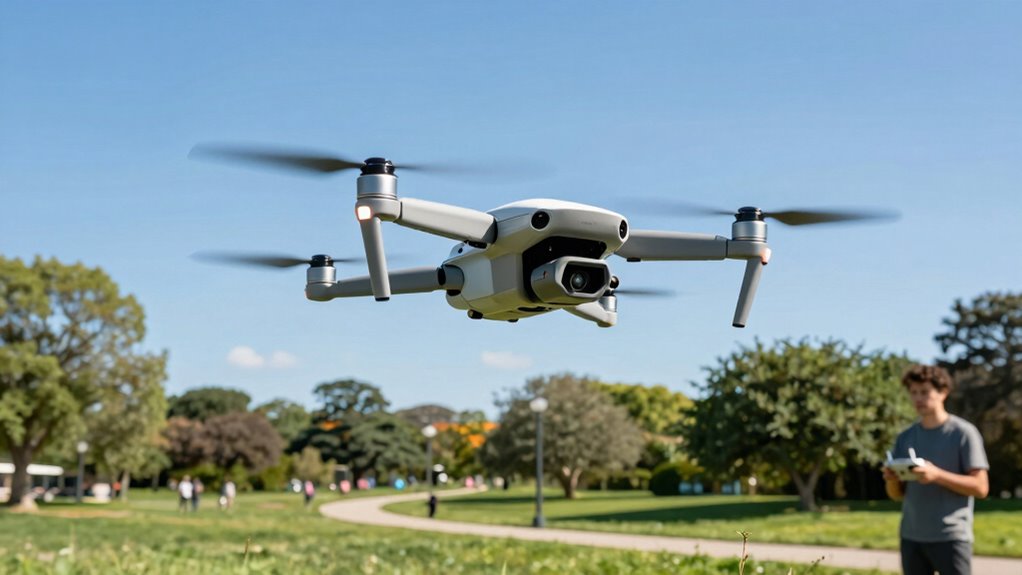
Practicing drone moves can be exciting, but it often drains your battery quickly, leaving you with limited flight time. To get the most out of each session, you need to focus on battery conservation. This means being strategic about how you use your drone’s power, especially during practice. One of the best ways to do this is by choosing the right practice environments. Find open, obstacle-free spaces that allow you to fly smoothly and confidently without constantly stopping or making sharp turns. These environments help you minimize sudden movements that can waste battery life and give you a chance to focus on perfecting your moves.
Choose open, obstacle-free areas for efficient drone practice and longer flight sessions.
Before you start flying, make sure your drone’s battery is fully charged. Avoid starting practice sessions with partially charged batteries, as this can lead to quicker drain and may affect your drone’s longevity. During your flights, keep a close eye on battery levels. Many drones have indicators or alerts to warn you when power is running low. When you see these signs, land your drone immediately to avoid crashes or losing control. Practicing smart battery management helps extend your flight times and guarantees you’re not wasting power on unnecessary maneuvers. Additionally, understanding your drone’s battery health can help you plan more effective practice sessions and avoid unexpected power loss.
In addition to choosing the right environment, you should develop a practice routine that prioritizes efficiency. Instead of repeatedly performing the same moves in rapid succession, take your time to plan each maneuver carefully. Break complex moves into smaller parts and practice them slowly at first. This way, you can build muscle memory without wasting excessive battery power on trial-and-error flights. Once you’re confident, gradually increase speed and complexity, but always keep an eye on your battery levels. Proper planning can significantly reduce unnecessary flights and help you conserve energy during your practice sessions. Being aware of battery capacity is also crucial to prevent mid-flight power loss and plan your practice sessions accordingly.
Another tip for conserving battery life is to turn off unnecessary features during practice. Disable high-power functions like camera stabilization or LED lights if they aren’t essential for your current training. These features consume extra energy, and turning them off can give you additional flight time. Also, avoid flying in windy conditions or extreme temperatures, as your drone must work harder to maintain stability, which drains the battery faster.
As an affiliate, we earn on qualifying purchases.
Frequently Asked Questions
Can I Practice Drone Moves Indoors Safely?
Yes, you can practice drone moves indoors safely if you follow indoor safety guidelines and keep the space clear of obstacles. Use a lightweight, beginner-friendly drone to minimize damage risks. To conserve battery, limit your practice sessions and avoid prolonged flights. Keep a close eye on your drone’s battery levels, and practice in a well-ventilated area to prevent overheating. This way, you guarantee safety and maximize your practice time.
What Are the Best Weather Conditions for Practicing?
The best weather conditions for practicing drone moves are clear, calm days with minimal wind and no rain. Weather considerations are essential for outdoor safety, as strong gusts can make flying unstable and risky. Choose days with moderate temperatures and low humidity to protect your drone’s electronics. Avoid practicing in stormy, foggy, or overly humid conditions, ensuring both your safety and the longevity of your drone.
How Often Should I Practice to Improve Skills?
You should practice consistently, ideally several times a week, to see steady improvement. Incorporate skill drills into your routine to build muscle memory and refine your control. Short, focused sessions are more effective than long, sporadic ones, helping you avoid fatigue and battery drain. By maintaining practice consistency and targeting specific skills, you’ll progress faster and become more confident in your drone flying abilities.
Are There Any Apps to Simulate Drone Flying?
Yes, there are several virtual flight simulation apps you can try. These apps let you practice drone moves without draining your battery or risking damage. Popular options include DJI Flight Simulator, Lucid Drone, and DroneVR, which offer realistic controls and environments. By using these simulation apps, you can improve your skills, learn new maneuvers, and gain confidence before flying your actual drone.
How Do I Prevent Motor Overheating During Practice?
Like a knight in shining armor, you can prevent motor overheating by ensuring proper motor cooling. Regularly inspect and clean your drone’s motors, and consider adding cooling fans if possible. Use smooth, controlled movements to reduce strain, conserving battery life and preventing heat buildup. Avoid prolonged hovering and rapid throttle changes, which can overheat motors. This way, you maintain ideal performance while conserving battery, and your drone stays cool and ready for action.
As an affiliate, we earn on qualifying purchases.
Conclusion
By practicing wisely and conserving your drone’s energy, you’ll find yourself soaring smoothly through every move. Think of each session as a gentle dance, where patience is your partner and efficiency your rhythm. With mindful practice, you’ll sharpen your skills without ever rushing the journey. Remember, the path to mastery isn’t about rushing ahead but savoring each flight’s quiet moments. Keep your focus steady, and soon, your drone will glide with grace and confidence.
As an affiliate, we earn on qualifying purchases.
As an affiliate, we earn on qualifying purchases.
Fall Picks
fall essentials
As an affiliate, we earn on qualifying purchases.