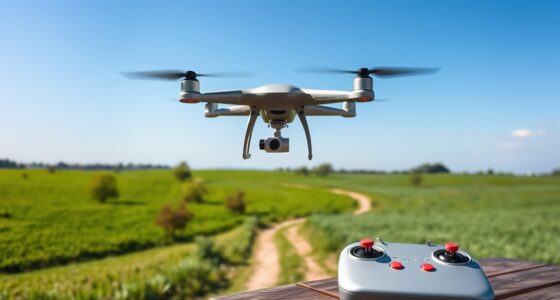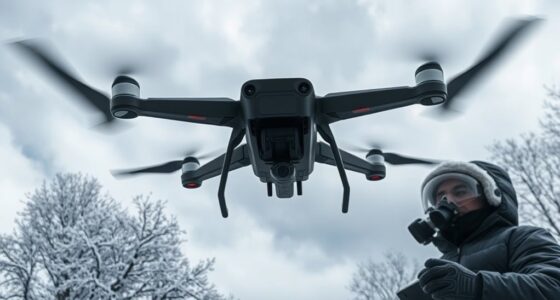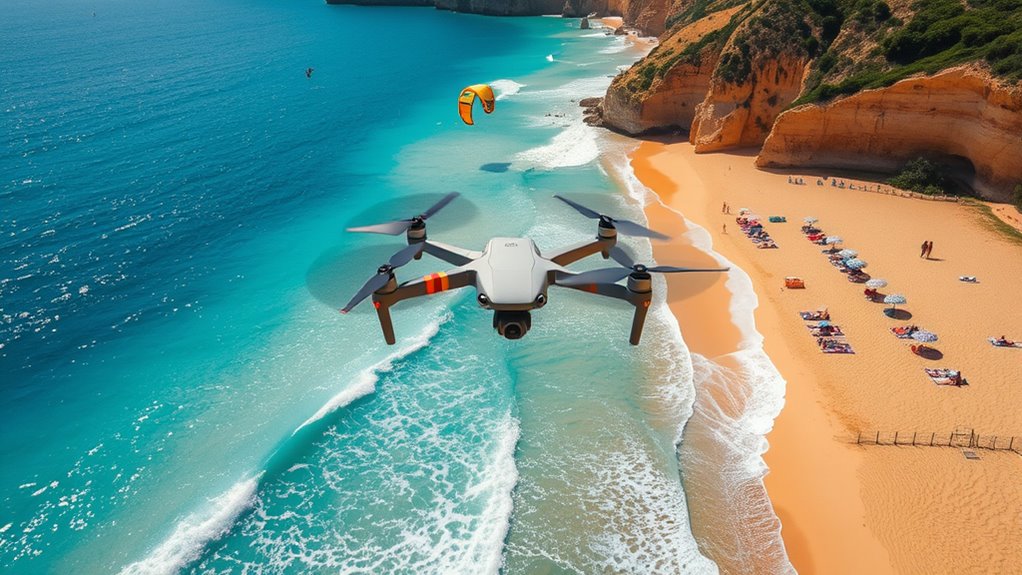
When flying a drone at the beach, you should choose a weather-resistant model with good wind resistance, and always keep a safe distance from surfers and beachgoers. Protect your gear by rinsing it with fresh water after use and storing it in a protective case. Use lens filters to reduce glare and capture vibrant shots of waves or underwater scenes. If you want to learn more expert tips and safety advice, keep exploring these helpful insights.
Key Takeaways
- Choose weather-resistant drones with good wind resistance for stability in breezy coastal conditions.
- Maintain a safe distance from beachgoers, surfers, and swimmers to ensure safety and comply with regulations.
- Rinse your drone with fresh water after flying to remove salt, sand, and prevent corrosion.
- Use intelligent flight modes like follow-me or orbit to capture smooth, dynamic beach and ocean footage.
- Pack protective accessories and spare batteries to handle environmental challenges and extend flight sessions.
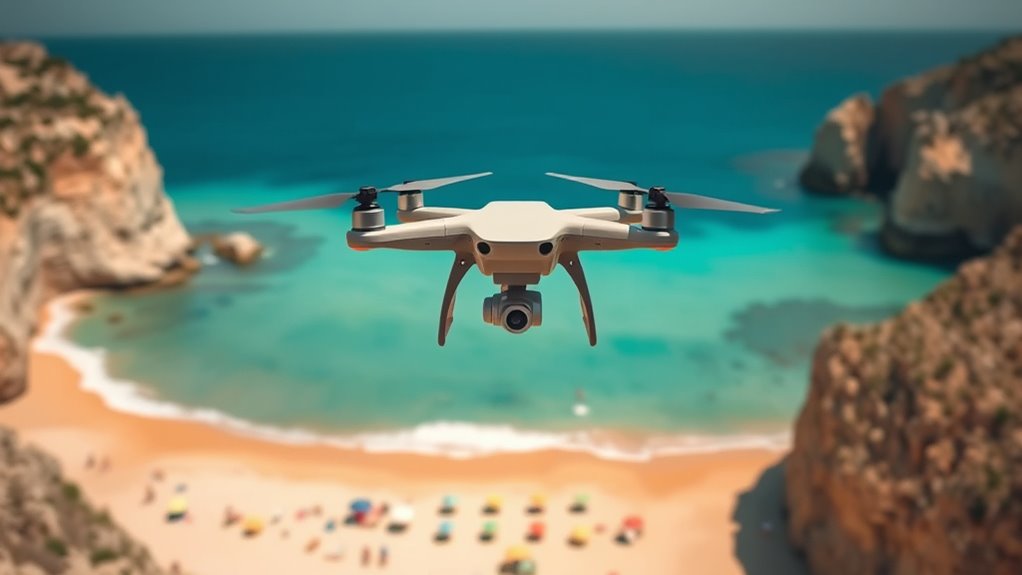
Flying a drone at the beach offers an exciting way to capture stunning aerial views and enhance your seaside experience. As you glide your drone over the shoreline, you can record breathtaking footage of crashing waves, sunbathers, and the bustling activity below. To get the most out of your drone adventures, it’s vital to consider how the environment affects your equipment and your shots. For instance, if you’re interested in underwater photography, you might want to explore waterproof drone options or accessories that allow you to dip your camera beneath the surface. This way, you can capture vibrant coral reefs, schools of fish, or even the movement of the ocean from a unique perspective. Just remember to keep a safe distance from surfers and swimmers to avoid accidents or interference, and always respect local regulations.
Capture stunning beach scenes safely while respecting regulations and keeping a safe distance.
When flying near the coast, wind can be a major challenge, especially on breezier days. The gusts can cause your drone to become unstable, making it harder to keep steady shots. To counteract this, you should choose a drone with good wind resistance and make certain your flying skills are sharp enough to handle sudden gusts. Maintaining proper surfboard stability is also vital if you’re planning to film surfers or paddleboarders. A steady drone shot requires careful control, especially when tracking moving subjects. Use intelligent flight modes like follow-me or orbit to keep your subject centered without constantly adjusting the controls. These features help you maintain smooth footage even when conditions aren’t perfect.
Another tip is to contemplate the impact of the environment on your gear. Saltwater and sand can quickly damage electronic components, so always rinse your drone with fresh water after flying near the ocean and store it in a protective case. Keep spare batteries handy since cold or humid conditions can drain power faster. For underwater photography, ensure your drone’s camera is equipped with a lens filter to reduce glare and enhance color saturation, which will make your footage pop with vibrant hues. Additionally, choosing a drone with weather-resistant features can help protect it from unexpected weather changes while at the beach.
Ultimately, flying a drone at the beach combines technical skill with an appreciation for the environment’s unpredictability. With proper planning and care—especially regarding underwater photography and surfboard stability—you’ll be able to capture spectacular coastal scenes that truly showcase the beauty of the seaside. Whether you’re chasing waves or exploring beneath the surface, your drone will become an invaluable tool for creating unforgettable memories of your beach adventures.
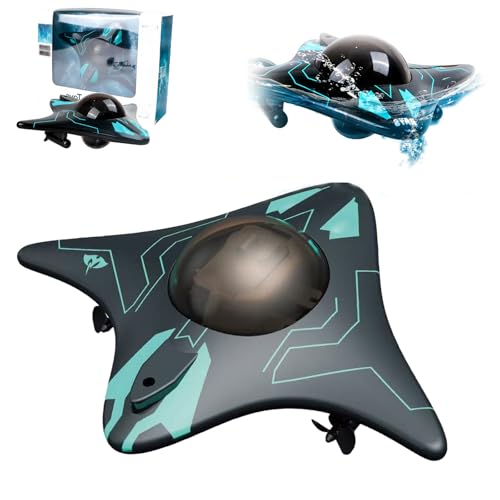
Underwater Drone with Camera, Bionic Design, Submarine Water Photography Device Remote App Control,WiFi Wireless Connectivity, Real-Time Image Transmission for Exploration Pools & Lakes (1Set)
【Real-Time Underwater Live View】This underwater vehicle is equipped with a built-in HD camera that transmits live footage directly…
As an affiliate, we earn on qualifying purchases.
As an affiliate, we earn on qualifying purchases.
Frequently Asked Questions
Are There Specific Drone Models Best Suited for Beach Environments?
You should choose drones with water-resistant features and excellent flight stability for beach environments. Models like the DJI Mavic Air 2 or Autel Evo Lite+ offer water resistance, helping shield against splashes and humidity. Their stable flight performance in windy conditions ensures smooth footage. Opt for lightweight, portable drones with strong GPS signals to navigate reliably along coastal areas, making your beach flying experience safer and more enjoyable.
How Do You Prevent Saltwater Damage to Your Drone?
Think of your drone as a delicate ship steering saltwater’s wrath. To prevent saltwater corrosion, keep your drone dry and avoid flying too close to the surf. After flying, rinse it with fresh water, especially around the motors and battery compartment, then dry thoroughly. Proper battery maintenance, like storing it in a cool, dry place and avoiding overcharging, helps protect against damage, ensuring your drone stays seaworthy for future adventures.
What Are the Best Times of Day for Beach Drone Flying?
You should fly your drone during early morning or late afternoon, especially for sunset photography, to get stunning lighting. These times have calmer winds, making control easier and safer. Avoid midday when the sun is high, and the wind can be stronger, disrupting your flight. Flying during these ideal times ensures better footage, safer operation, and a more enjoyable experience capturing the beach’s beauty.
Are There Legal Restrictions for Flying Drones Over Beaches?
You should know that flying drones over beaches often comes with legal restrictions. These rules aim to protect privacy and prevent wildlife disturbance, so local regulations may prohibit or limit drone use. Before launching your drone, check for no-fly zones or permits required. Ignoring these laws can lead to fines or confiscation, and you might disturb nesting birds or beachgoers enjoying the sun and surf. Always fly responsibly and respect local rules.
How Can I Safely Launch and Land My Drone on Sandy Surfaces?
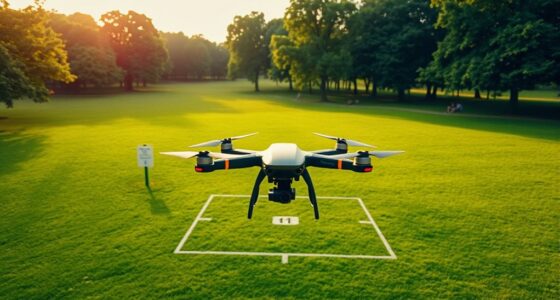
To safely launch and land your drone on sandy surfaces, guarantee the sand is stable and firm enough to support your drone’s weight. Use proper launching techniques such as placing your drone on a flat, level spot, and avoid loose or shifting sand. Hold the drone firmly during takeoff, keeping hands clear of propellers. For landing, gently lower your drone onto stable, compact sand to prevent tipping or damage.

GPS Drone with 4K Camera for Adults, Foldable RC Quadcopter with 1312ft Range Video Transmission, 48 Mins Flight Time, Auto Return, Follow Me, Circle Fly, Waypoint Fly, Gesture Control
【GPS Technology Safety and Reliability】GPS Drones are equipped with advanced flight control systems and GPS technology to ensure…
As an affiliate, we earn on qualifying purchases.
As an affiliate, we earn on qualifying purchases.
Conclusion
As you glide your drone along the sun-kissed shoreline, remember that the gentle dance of the waves and the whispering breeze are best enjoyed with a quiet respect for nature’s delicate balance. Embrace the serenity of the coast, knowing that your mindful approach maintains the harmony intact. By treading lightly, you not only preserve the beauty around you but also guarantee your aerial adventures remain a cherished part of the coastal tapestry for years to come.
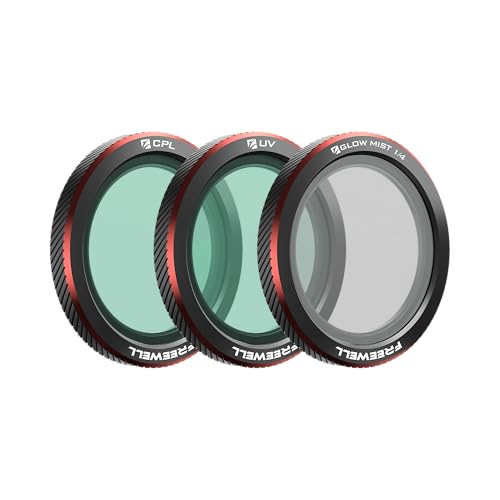
Freewell 3-Pack Magnetic Filters for DJI Neo 2 – Includes CPL (Polarizer) for Glare Reduction, UV for Lens Protection, & Black Glow Mist 1/4 for Cinematic Effects.
UV filter for lens protection and clarity
As an affiliate, we earn on qualifying purchases.
As an affiliate, we earn on qualifying purchases.

Clarifii: Water Repellent and Anti Fog Lens Accessory for GoPro | DSLR | Drone | Prevent Water Drops Ruining Footage While Surfing, Wake Boarding, Swimming, and Snorkeling. Must Have GoPro Accessory
📷 TAKE YOUR FOOTAGE TO THE NEXT LEVEL- Capture the perfect shot without water getting in your way….
As an affiliate, we earn on qualifying purchases.
As an affiliate, we earn on qualifying purchases.