To build a more efficient FPV charging routine, start by organizing your batteries in a clean, dedicated space with fire-resistant containers. Always connect batteries carefully and check for damage before charging. Use compatible chargers with safety features, and keep your workspace well-ventilated. Maintain a regular schedule for inspecting and balancing batteries, and store them at ideal charge levels. Staying consistent with these practices boosts safety and prolongs battery life—stay tuned for more tips to enhance your process even further.

Get the latest gadgets delivered free with Prime
- Fast, free delivery on millions of items
- Prime Video, Amazon Music and more included
- Member-only deals all year
Key Takeaways
- Use a dedicated charging station with multiple ports to charge batteries simultaneously.
- Implement a charging schedule to prevent overcharging and optimize battery lifespan.
- Regularly inspect batteries for damage before charging to avoid delays.
- Keep workspace organized and well-ventilated to ensure safety and efficiency.
- Use compatible chargers with safety features like overcharge protection for reliable operation.
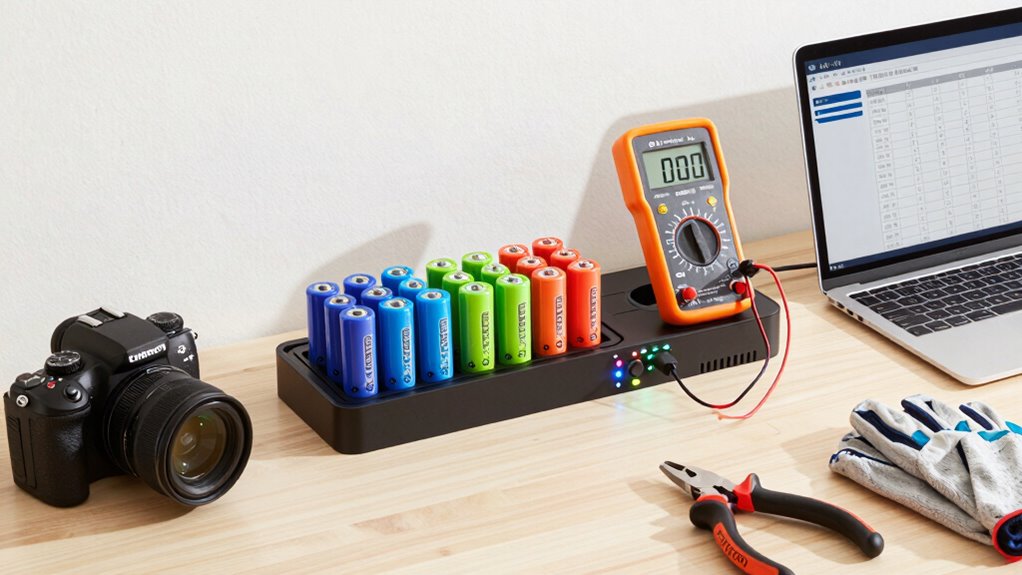
If you want to keep your FPV drones flying smoothly and maximize your flying time, establishing an efficient charging routine is essential. Properly managing your batteries ensures you get the most out of each flight while extending the life of your equipment. A key part of this is understanding how to handle battery storage and prioritizing charging safety. When you store your batteries correctly, you prevent damage and degradation that can reduce performance over time. Always keep your batteries in a cool, dry place, ideally at around 50% charge if you’re not using them for a while. Avoid storing them fully charged or completely drained, as both extremes can harm their longevity. Using a dedicated, fire-resistant storage container adds an extra layer of safety, especially if you have multiple batteries. Additionally, choosing the right airless paint sprayers for your project can streamline your workflow and minimize downtime, much like optimizing your battery routine for drones. Proper battery management is crucial in maintaining optimal performance and safety. Charging safety is critical to avoid accidents and preserve your batteries’ health. Never leave batteries unattended while charging, and always use a charger compatible with your specific battery type. Overcharging is one of the biggest hazards; many modern chargers have built-in protections, but you should double-check to ensure they’re enabled. Keep your workspace well-ventilated and free from flammable materials, and avoid charging batteries in enclosed spaces like a closet or inside your drone case. When connecting batteries, ensure the contacts are secure and correct; loose or reversed connections can cause sparks or damage. Regularly inspect your batteries for swelling, corrosion, or damage before charging, and discard any compromised cells safely. Additionally, understanding proper storage techniques can significantly extend your batteries’ lifespan and ensure safer handling. Incorporating regular maintenance checks into your routine can further prevent potential hazards and prolong battery life. Also, employing proper charging practices can help you avoid common pitfalls like overcharging or overheating.
FPV drone battery charger with safety features
As an affiliate, we earn on qualifying purchases.
As an affiliate, we earn on qualifying purchases.
Frequently Asked Questions
What Types of Chargers Are Best for FPV Batteries?
You should choose smart chargers designed for FPV batteries, as they support advanced battery management and proper charging protocols. Look for chargers with multiple charging modes, balance ports, and adjustable current settings to guarantee safe, efficient charging. These features help prevent overcharging and extend battery life. Using the right charger with proper protocols keeps your batteries healthy, improves performance, and saves you time during your FPV flying sessions.
How Often Should I Calibrate My Charger?
You should calibrate your charger monthly to guarantee accuracy and safety. Think of it like maintaining your battery storage and charger maintenance routines—regular calibration keeps your batteries safe, reliable, and ready to fly. When you calibrate, you align your charger’s readings with actual voltage levels. This consistency prevents overcharging or undercharging, prolonging battery life and ensuring peak performance. Regular calibration becomes an essential part of your overall FPV charging routine.
Are There Safety Tips for High-Current Charging?
Yes, there are safety tips for high-current charging. Always prioritize battery safety by using a dedicated, fireproof charging bag or container. Follow proper charging protocols, such as never leaving batteries unattended and avoiding overcharging. Make sure your charger is compatible with your batteries and monitor the temperature during charging. Regularly inspect your batteries and charger for damage, and keep your workspace clean and dry to prevent accidents.
Can I Charge Different Battery Chemistries Together?
You shouldn’t charge different battery chemistries together because it can compromise charging safety and affect battery storage. Different chemistries, like LiPo, LiFe, or NiMH, have unique charging requirements and voltages. Mixing them risks overcharging or damaging the batteries. Always charge each chemistry separately, follow safety guidelines, and store batteries properly. This approach guarantees safe charging practices and helps prolong your batteries’ lifespan.
What Are Signs of a Failing FPV Battery?
You’ll notice signs of a failing FPV battery through reduced flight time, increased internal resistance, or swelling. During battery storage, make sure to keep batteries in a proper state of charge and avoid extreme temperatures. As batteries go through charging cycles, their capacity diminishes. If you see a significant drop in performance or irregular charging behavior, it’s time to replace the battery to avoid potential damage or failure during flights.
fire-resistant drone battery storage container
As an affiliate, we earn on qualifying purchases.
As an affiliate, we earn on qualifying purchases.
Conclusion
By streamlining your FPV charging routine, you’ll save time and reduce battery wear, ensuring you’re always ready to fly. Some might think a strict schedule limits flexibility, but a well-planned approach actually maximizes your flying time and battery lifespan. Embrace these efficient practices, and you’ll find yourself enjoying longer, more reliable sessions without the hassle of constant recharging. With a little discipline, your FPV experience becomes smoother, more enjoyable, and ultimately more rewarding.
multi-port FPV drone battery charger
As an affiliate, we earn on qualifying purchases.
As an affiliate, we earn on qualifying purchases.
smart FPV drone batteries charger
As an affiliate, we earn on qualifying purchases.
As an affiliate, we earn on qualifying purchases.
Fall Picks
fall essentials
As an affiliate, we earn on qualifying purchases.