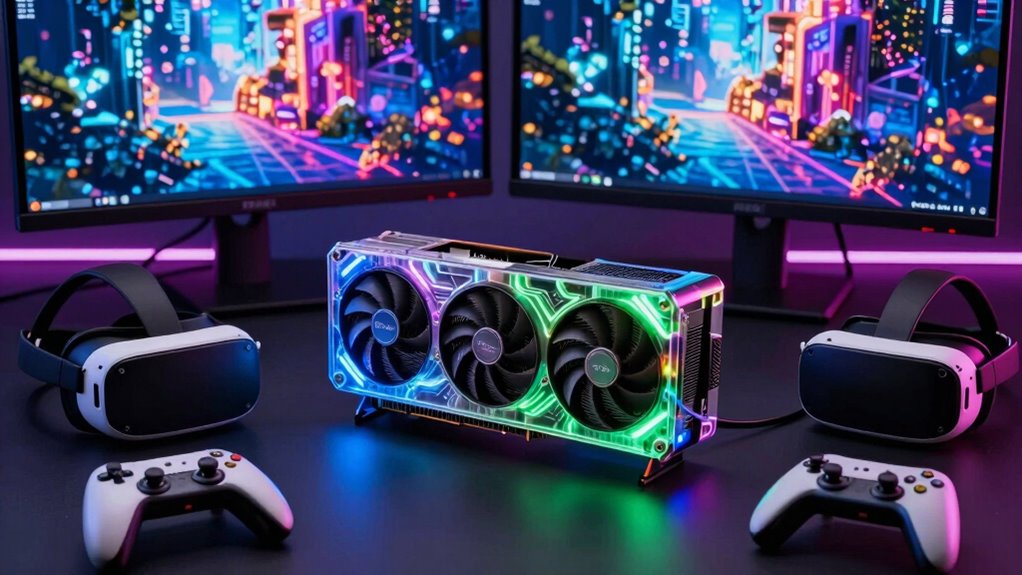
If you want the best VR experience in 2026, I recommend looking at the latest RTX cards like the RTX 5070 12GB and the RTX 2060 Super, which deliver high frame rates, advanced ray tracing, and massive VRAM for immersive visuals. These cards also support features like DLSS 4 and PCIe 5.0, ensuring future-proofing. If you keep exploring, you’ll find more details on how each card can elevate your VR setup even further.
Key Takeaways
- Top RTX cards like RTX 2060 Super and GIGABYTE RTX 5070 offer high VR performance with advanced features such as DLSS 4 and real-time ray tracing.
- VR-ready GPUs require at least 8GB VRAM, HDMI 2.1, and DisplayPort 1.4a support for seamless high-resolution VR experiences.
- Compatibility with system components, including power supply, cooling, and case space, is essential for optimal VR performance.
- Future-proof options with increased VRAM and AI acceleration ensure longevity and enhanced visual fidelity in demanding VR environments.
- Market trends and hardware features should be balanced against budget to select the best RTX graphics card for immersive VR in 2026.
| GIGABYTE GeForce RTX 3050 WINDFORCE OC Graphics Card |  | Great Entry-Level | Memory Size: 6GB GDDR6 | Max Resolution: 7680×4320 | Cooling System: WINDFORCE dual fans | VIEW LATEST PRICE | See Our Full Breakdown |
| ASUS NVIDIA GeForce RTX 3050 6GB Gaming Graphics Card | 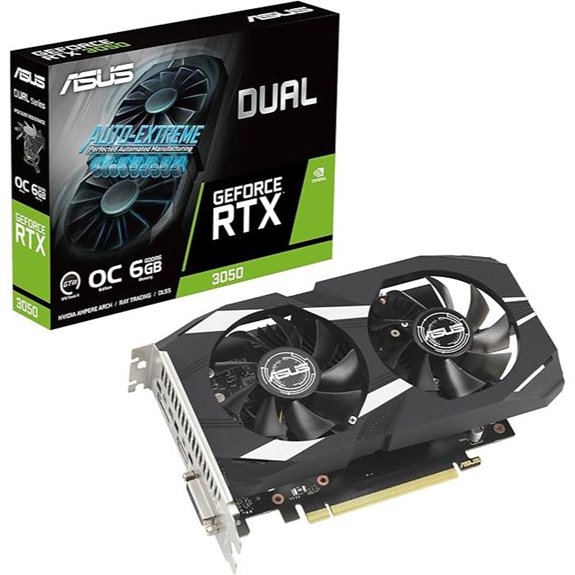 | Compact Powerhouse | Memory Size: 6GB GDDR6 | Max Resolution: 7680×4320 | Cooling System: Axial-tech dual fans | VIEW LATEST PRICE | See Our Full Breakdown |
| GIGABYTE GeForce RTX 5070 Gaming OC 12G Graphics Card | 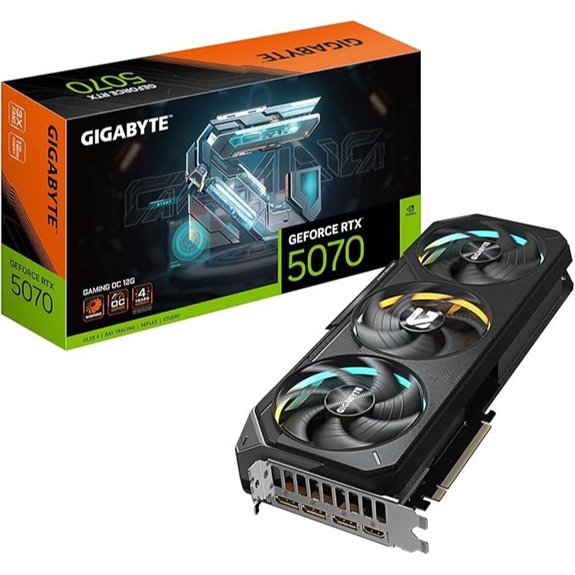 | High-End Performance | Memory Size: 12GB GDDR7 | Max Resolution: 7680×4320 | Cooling System: WINDFORCE cooling | VIEW LATEST PRICE | See Our Full Breakdown |
| GIGABYTE GeForce RTX 3060 Gaming OC 12G | 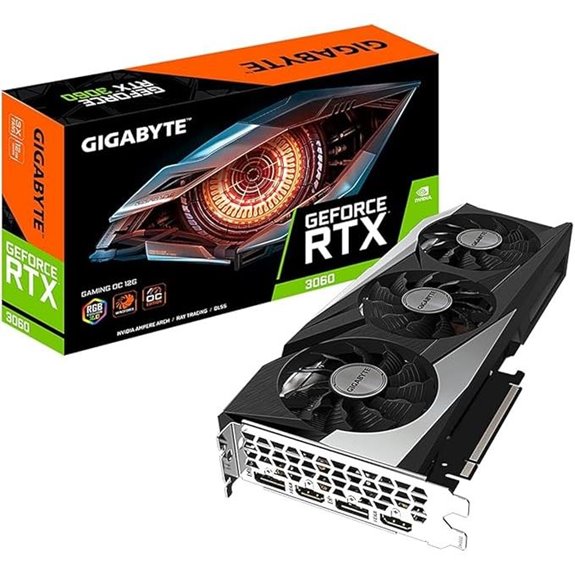 | Reliable Gaming | Memory Size: 12GB GDDR6 | Max Resolution: 7680×4320 | Cooling System: WINDFORCE 3X triple fans | VIEW LATEST PRICE | See Our Full Breakdown |
| ZOTAC GeForce RTX 5050 Twin Edge OC Graphics Card |  | Small Form Factor | Memory Size: 8GB GDDR6 | Max Resolution: 7680×4320 | Cooling System: Dual BladeLink fans | VIEW LATEST PRICE | See Our Full Breakdown |
| PNY NVIDIA GeForce RTX 5050 Graphics Card (8GB) | 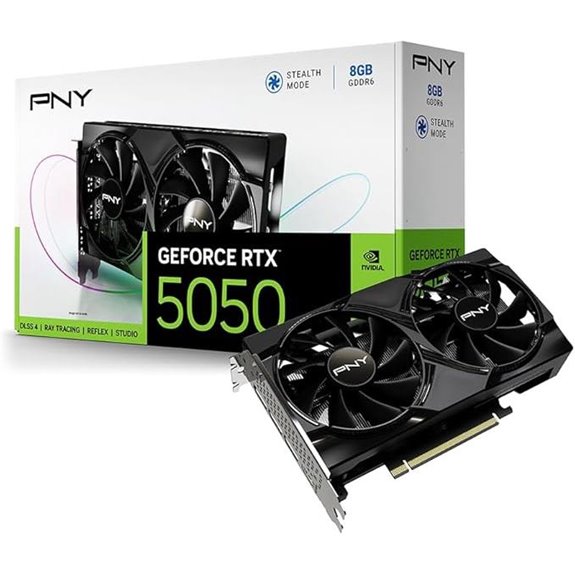 | Budget Choice | Memory Size: 8GB GDDR6 | Max Resolution: 7680×4320 | Cooling System: WINDFORCE 3X triple fans | VIEW LATEST PRICE | See Our Full Breakdown |
| MSI RTX 2060 Gaming Graphics Card (Ventus GP OC) | 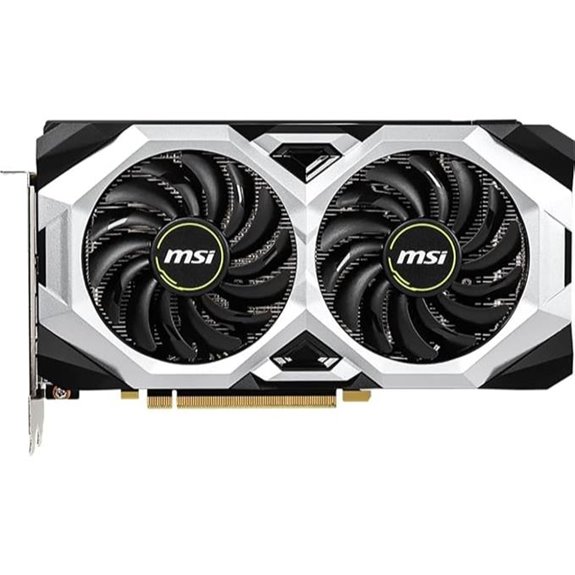 | Mid-Range Excellence | Memory Size: 6GB GDDR6 | Max Resolution: 7680×4320 | Cooling System: Dual fans | VIEW LATEST PRICE | See Our Full Breakdown |
| MSI RTX 3050 Gaming X 6G Graphics Card | 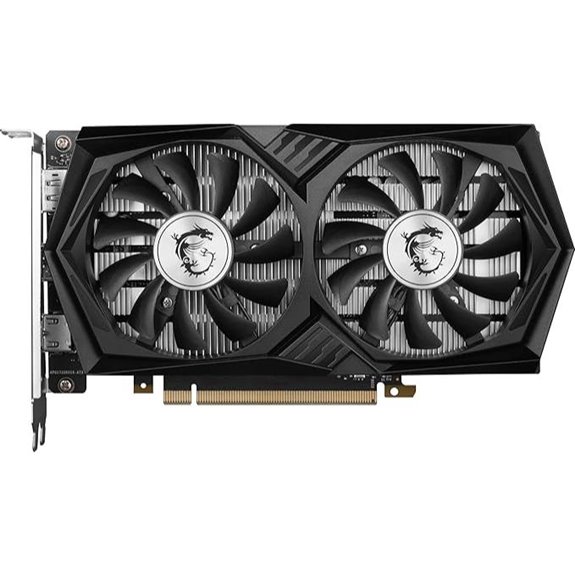 | Streamlined Design | Memory Size: 6GB GDDR6 | Max Resolution: 7680×4320 | Cooling System: Discrete cooling with fans | VIEW LATEST PRICE | See Our Full Breakdown |
| ASUS GeForce RTX 2060 6GB Phoenix Graphics Card | 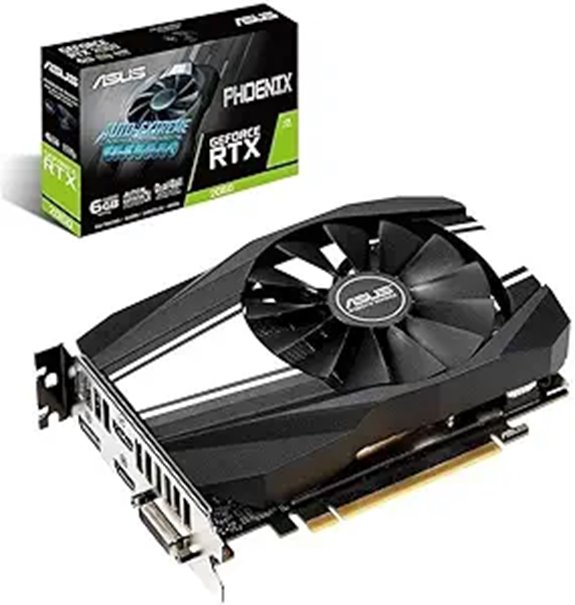 | Affordable Quality | Memory Size: 6GB GDDR6 | Max Resolution: 7680×4320 | Cooling System: Double ball bearing fans | VIEW LATEST PRICE | See Our Full Breakdown |
| ASUS RTX 2060 6GB Phoenix Graphics Card (Renewed) | 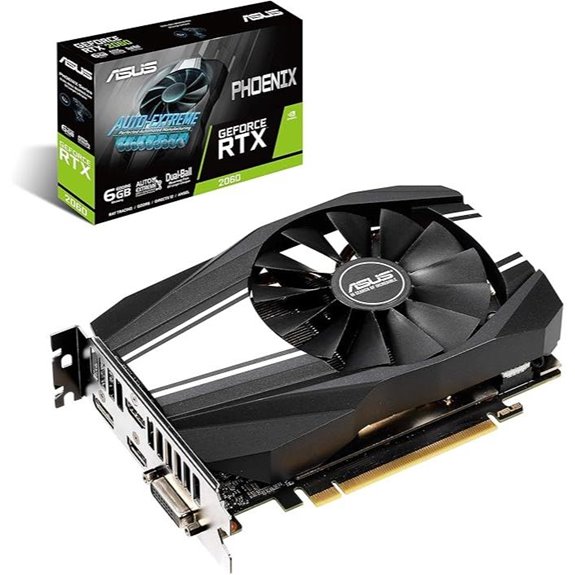 | Renewed Value | Memory Size: 6GB GDDR6 (refurbished) | Max Resolution: 7680×4320 | Cooling System: Dual fans | VIEW LATEST PRICE | See Our Full Breakdown |
| ASUS GeForce RTX 2060 Overclocked 6G Graphics Card | 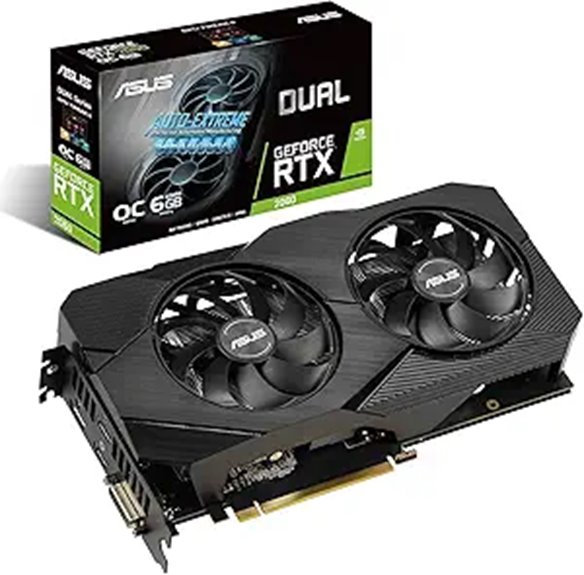 | Overclocked Performance | Memory Size: 6GB GDDR6 | Max Resolution: 7680×4320 | Cooling System: Dust-resistant dual fans | VIEW LATEST PRICE | See Our Full Breakdown |
| RTX 2060 8GB Super Graphics Card with Ray Tracing | 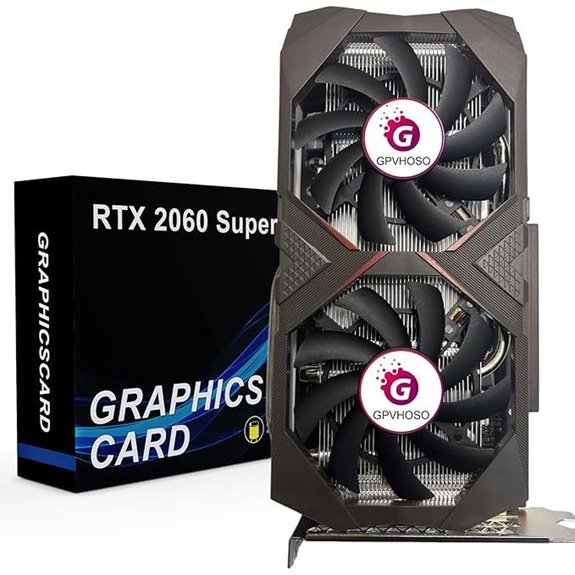 | Enhanced Ray Tracing | Memory Size: 8GB GDDR6 | Max Resolution: 8K (7680×4320) | Cooling System: Dual fans | VIEW LATEST PRICE | See Our Full Breakdown |
| GIGABYTE GeForce RTX 5070 12GB Graphics Card | 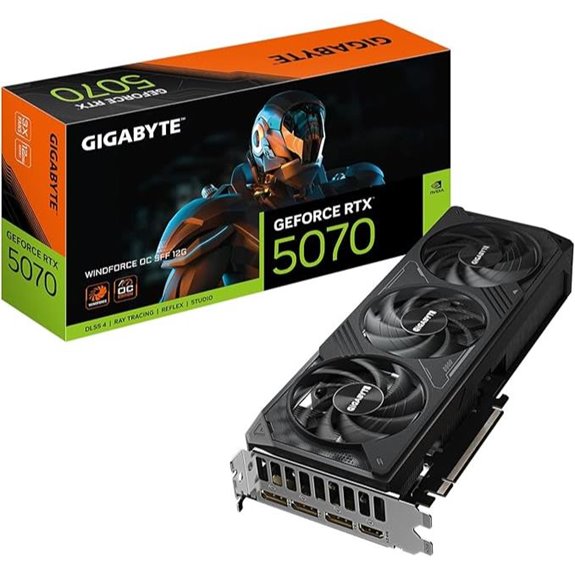 | SFF Power | Memory Size: 12GB GDDR7 | Max Resolution: 7680×4320 | Cooling System: WINDFORCE cooling system | VIEW LATEST PRICE | See Our Full Breakdown |
More Details on Our Top Picks
GIGABYTE GeForce RTX 3050 WINDFORCE OC Graphics Card
If you’re looking for an affordable yet capable option for VR gaming in 2026, the GIGABYTE GeForce RTX 3050 WINDFORCE OC V2 6G is a solid choice. It features NVIDIA’s Ampere architecture, with 2nd-gen RT cores and 3rd-gen Tensor cores, ensuring excellent ray tracing and AI performance. The 6GB GDDR6 memory and 14,000 MHz speed deliver crisp visuals up to 7680×4320 pixels. Its dual WINDFORCE fans keep temperatures low, making it reliable for long gaming sessions. With a high rating of 4.7 stars and competitive pricing, this card offers great performance for both VR and creative tasks without breaking the bank.
- Memory Size:6GB GDDR6
- Max Resolution:7680×4320
- Cooling System:WINDFORCE dual fans
- Interface Type:PCIe 4.0
- Additional Outputs:HDMI 2.1, DisplayPort 1.4a
- VR Support:Yes
- Additional Feature:2x WINDFORCE fans
- Additional Feature:14,000 MHz memory speed
- Additional Feature:High customer rating (4.7/5)
ASUS NVIDIA GeForce RTX 3050 6GB Gaming Graphics Card
The ASUS NVIDIA GeForce RTX 3050 6GB Gaming Graphics Card stands out as an excellent choice for gamers with compact builds who want powerful VR performance without sacrificing space. Its PCIe 4.0 interface and 6GB GDDR6 memory guarantee smooth visuals at up to 7680 x 4320 resolution. The 7.9 x 4.7-inch, 14.4-ounce design fits easily into small chassis, thanks to its two-slot setup. Advanced cooling with Axial-tech fans keeps temperatures in check, while HDMI 2.1 and DisplayPort 1.4a outputs provide high-quality video. With a 4.6-star rating and excellent reviews, this card offers a perfect balance of power and size for immersive VR experiences.
- Memory Size:6GB GDDR6
- Max Resolution:7680×4320
- Cooling System:Axial-tech dual fans
- Interface Type:PCIe 4.0
- Additional Outputs:HDMI 2.1, DisplayPort 1.4a
- VR Support:Yes
- Additional Feature:Axial-tech fan design
- Additional Feature:Silent 0dB Technology
- Additional Feature:Compact 20 cm length
GIGABYTE GeForce RTX 5070 Gaming OC 12G Graphics Card
For gamers and creative professionals seeking top-tier VR performance, the GIGABYTE GeForce RTX 5070 Gaming OC 12G stands out with its NVIDIA Blackwell architecture and advanced DLSS 4 technology. It features 12GB of GDDR7 memory, PCIe 5.0 support, and a WINDFORCE cooling system to keep temperatures in check. With a maximum resolution of 7680×4320 pixels, it delivers stunning visuals, fast frame rates, and AI acceleration for both gaming and creative workloads. Built on NVIDIA’s latest RT and Tensor Cores, this card offers enhanced ray tracing and AI capabilities, making it a powerful choice for immersive VR experiences.
- Memory Size:12GB GDDR7
- Max Resolution:7680×4320
- Cooling System:WINDFORCE cooling
- Interface Type:PCIe 5.0
- Additional Outputs:HDMI 2.1, DisplayPort 1.4a
- VR Support:Yes
- Additional Feature:NVIDIA Blackwell architecture
- Additional Feature:12GB GDDR7 memory
- Additional Feature:PCIe 5.0 support
GIGABYTE GeForce RTX 3060 Gaming OC 12G
The GIGABYTE GeForce RTX 3060 Gaming OC 12G stands out as an excellent choice for gamers and creative professionals seeking high-quality VR experiences in 2026. It features NVIDIA’s Ampere architecture, second-generation RT Cores, and third-generation Tensor Cores, providing impressive real-time ray tracing and AI capabilities. With 12GB of GDDR6 memory and a core clock of 1837 MHz, it handles high-resolution gaming and demanding creative tasks smoothly. Its WINDFORCE 3X cooling system guarantees efficient heat dissipation, while RGB Fusion 2.0 adds aesthetic flair. Compact and lightweight, it’s perfect for various builds, offering reliable performance with support for up to 7680×4320 resolution.
- Memory Size:12GB GDDR6
- Max Resolution:7680×4320
- Cooling System:WINDFORCE 3X triple fans
- Interface Type:PCIe 4.0
- Additional Outputs:HDMI 2.1, DisplayPort 1.4a
- VR Support:Yes
- Additional Feature:RGB Fusion 2.0 lighting
- Additional Feature:Dual HDMI 2.1 outputs
- Additional Feature:Limited hash rate version
ZOTAC GeForce RTX 5050 Twin Edge OC Graphics Card
If you’re looking for a compact yet powerful graphics card that can handle high-resolution VR experiences, the ZOTAC GeForce RTX 5050 Twin Edge OC stands out with its NVIDIA Blackwell architecture and DLSS 4 technology. It packs 8GB of GDDR6 memory, supporting up to 7680×4320 resolution, perfect for immersive VR and 8K displays. Its small form factor, measuring just 8.7 inches, fits well in compact builds, while dual BladeLink fans and composite heatpipes keep it cool. With multiple outputs—including DisplayPort 2.1b and HDMI 2.1b—it offers versatile connectivity. This card balances performance and size, making it ideal for demanding VR setups.
- Memory Size:8GB GDDR6
- Max Resolution:7680×4320
- Cooling System:Dual BladeLink fans
- Interface Type:PCIe 5.0
- Additional Outputs:HDMI 2.1b, DisplayPort 2.1b
- VR Support:Yes
- Additional Feature:Compact 8.7-inch design
- Additional Feature:Dual 90mm BladeLink fans
- Additional Feature:Supports VR and 8K
PNY NVIDIA GeForce RTX 5050 Graphics Card (8GB)
With its NVIDIA Blackwell architecture and 8GB GDDR6 memory, the PNY NVIDIA GeForce RTX 5050 offers impressive performance for high-resolution VR gaming and creative work. Its advanced 4th-gen Ray Tracing Cores and 5th-gen Tensor Cores enable real-time ray tracing and AI-powered rendering, elevating visual fidelity. Supporting PCIe 5.0, HDMI 2.1, and DisplayPort 2.1, it handles up to 7680×4320 resolution seamlessly. The dual-fan cooling ensures stable operation, while DLSS 4 boosts frame rates with AI neural rendering. Designed for gamers and creators alike, this card delivers responsive gameplay and accelerated workflows in a compact, SFF-friendly form factor.
- Memory Size:8GB GDDR6
- Max Resolution:7680×4320
- Cooling System:WINDFORCE 3X triple fans
- Interface Type:PCIe 5.0
- Additional Outputs:HDMI 2.1, DisplayPort 1.4
- VR Support:Yes
- Additional Feature:4th-gen Ray Tracing Cores
- Additional Feature:5th-gen Tensor Cores
- Additional Feature:Support for PCIe 5.0
MSI RTX 2060 Gaming Graphics Card (Ventus GP OC)
For gamers and VR enthusiasts seeking reliable performance without breaking the bank, the MSI RTX 2060 Gaming Graphics Card (Ventus GP OC) stands out as a solid choice. It features NVIDIA’s Turing architecture, offering real-time ray tracing, AI, and programmable shading. With 6GB GDDR6 memory and a boost clock of 1710 MHz, it can handle high-resolution gaming up to 7680×4320. Compatible with DirectX 12 and VR-ready, it delivers lifelike visuals and smooth experiences. Rated 4.7 stars from over 560 reviews, it’s a dependable option for immersive VR gaming, balancing performance and affordability in a compact design.
- Memory Size:6GB GDDR6
- Max Resolution:7680×4320
- Cooling System:Dual fans
- Interface Type:PCIe 3.0
- Additional Outputs:HDMI 2.0b, DisplayPort 1.4
- VR Support:Yes
- Additional Feature:Real-time ray tracing
- Additional Feature:1710 MHz boost clock
- Additional Feature:Dual fan cooling system
MSI RTX 3050 Gaming X 6G Graphics Card
The MSI RTX 3050 Gaming X 6G stands out as an excellent choice for gamers and content creators seeking reliable performance at an affordable price. It packs NVIDIA’s Ampere architecture with 6GB GDDR6 memory, a 1507 MHz boost clock, and dedicated Ray Tracing and AI Tensor Cores, ensuring smooth gaming and high-quality rendering. Its compact design measures just 8.1 inches long, making it easy to fit into most builds. With support for up to 8K resolution via HDMI 2.1a and DisplayPort 1.4a, it offers impressive visuals. Rated 4.7 stars from nearly 200 reviews, it’s a budget-friendly option that doesn’t compromise on performance.
- Memory Size:6GB GDDR6
- Max Resolution:7680×4320
- Cooling System:Discrete cooling with fans
- Interface Type:PCIe 4.0
- Additional Outputs:HDMI 2.1a, DisplayPort 1.4a
- VR Support:Yes
- Additional Feature:Overclocked 1785 MHz
- Additional Feature:Dust-resistant wing-blade fans
- Additional Feature:Supports multiple displays
ASUS GeForce RTX 2060 6GB Phoenix Graphics Card
If you’re seeking a reliable GPU that balances performance and affordability for VR gaming in 2026, the ASUS GeForce RTX 2060 6GB Phoenix stands out as an excellent choice. Powered by NVIDIA’s Turing architecture, it features a 1710 MHz boost clock, 1920 CUDA cores, and 6GB of GDDR6 memory, supporting up to four monitors. Its Auto Extreme manufacturing and aerospace-grade Super Alloy Power II components ensure durability, while the Phoenix double ball bearing fan provides superior cooling and longevity. With VR readiness and various connectivity options, this card offers solid performance for immersive experiences, making it a dependable option for gamers seeking quality without breaking the bank.
- Memory Size:6GB GDDR6
- Max Resolution:7680×4320
- Cooling System:Double ball bearing fans
- Interface Type:PCIe 3.0
- Additional Outputs:HDMI, DisplayPort, DVI
- VR Support:Yes
- Additional Feature:Auto Extreme manufacturing
- Additional Feature:Aerospace-grade components
- Additional Feature:Double ball bearing fan
ASUS RTX 2060 6GB Phoenix Graphics Card (Renewed)
The ASUS RTX 2060 6GB Phoenix Graphics Card (Renewed) stands out as a solid choice for gamers and VR enthusiasts seeking reliable performance at an affordable price. Powered by NVIDIA’s Turing architecture, it boasts a 1710 MHz boost clock, 1920 CUDA cores, and 6GB of GDDR6 memory, supporting up to four monitors. The Auto Extreme manufacturing process and aerospace-grade components guarantee durability and efficiency. Its Phoenix double ball bearing fan delivers superior airflow and longevity. As a renewed product inspected to meet like-new standards, it offers great value. With a customer rating of 4.5 stars, this card is a dependable option for immersive VR experiences without breaking the bank.
- Memory Size:6GB GDDR6 (refurbished)
- Max Resolution:7680×4320
- Cooling System:Dual fans
- Interface Type:PCIe 4.0
- Additional Outputs:HDMI, DisplayPort
- VR Support:Yes
- Additional Feature:Amazon Renewed quality
- Additional Feature:Discontinued model
- Additional Feature:Real-time performance monitoring
ASUS GeForce RTX 2060 Overclocked 6G Graphics Card
For gamers seeking a reliable entry into VR with solid performance, the ASUS GeForce RTX 2060 Overclocked 6G stands out thanks to its advanced Turing architecture and overclocked capabilities. With a boost clock of 1785 MHz and 1920 CUDA cores, it delivers smooth visuals at high resolutions, supporting up to 4 monitors. Its dual-wing-blade fans operate silently below 55°C, while the aluminum backplate guarantees durability. Designed for VR readiness, it offers easy overclocking and performance monitoring with ASUS GPU Tweak II. Weighing just over a pound and compact in size, this card balances power, cooling, and reliability—making it a strong choice for immersive VR experiences.
- Memory Size:6GB GDDR6
- Max Resolution:7680×4320
- Cooling System:Dust-resistant dual fans
- Interface Type:PCIe 3.0
- Additional Outputs:HDMI, DisplayPort
- VR Support:Yes
- Additional Feature:Wing-blade dust-resistant fans
- Additional Feature:Supports up to 4 monitors
- Additional Feature:Overclocked for performance
RTX 2060 8GB Super Graphics Card with Ray Tracing
Gamers seeking a reliable and affordable option for high-quality VR experiences will find the RTX 2060 8GB Super Graphics Card with Ray Tracing to be an excellent choice. It features 8GB of GDDR6 memory, a 256-bit interface, and supports up to 8K resolution. With a boost clock of 1650 MHz, it handles modern titles smoothly and offers real-time ray tracing for realistic lighting, shadows, and reflections. Its dual fans keep it cool during intense gaming sessions, and it supports multiple displays, making it perfect for immersive VR. Overall, this card delivers impressive performance at a competitive price, making it a solid pick for VR enthusiasts.
- Memory Size:8GB GDDR6
- Max Resolution:8K (7680×4320)
- Cooling System:Dual fans
- Interface Type:PCIe 4.0
- Additional Outputs:HDMI, DisplayPort, DVI
- VR Support:Yes
- Additional Feature:Supports DLSS AI rendering
- Additional Feature:Up to 8K resolution
- Additional Feature:Multiple display outputs
GIGABYTE GeForce RTX 5070 12GB Graphics Card
If you’re building a compact VR setup that demands high performance without sacrificing space, the GIGABYTE GeForce RTX 5070 12GB Graphics Card stands out as an excellent choice. It features NVIDIA’s Blackwell architecture, DLSS 4, and PCIe 5.0 compatibility, delivering stunning visuals and high frame rates. With 12GB of GDDR7 memory and advanced RT and Tensor Cores, it excels at ray tracing and AI acceleration. Its compact size—11.1 x 4.33 x 1.97 inches—fits well in small systems, while the WINDFORCE cooling keeps temperatures low. Trusted by users, it’s a reliable, future-proof option for elevating your VR experience in 2026.
- Memory Size:12GB GDDR7
- Max Resolution:7680×4320
- Cooling System:WINDFORCE cooling system
- Interface Type:PCIe 5.0
- Additional Outputs:HDMI, DisplayPort
- VR Support:Yes
- Additional Feature:SFF compatible design
- Additional Feature:2600 MHz memory speed
- Additional Feature:Top-ranked customer ratings
Factors to Consider When Choosing an RTX Graphics Card for VR
When choosing an RTX graphics card for VR, I consider several key factors to guarantee the best experience. Things like VR performance, memory size, and ray tracing quality directly impact how smooth and realistic your gameplay feels. Additionally, I make sure the card is compatible with my headset and meets power supply requirements to avoid any setup issues.
VR Performance Capabilities
Choosing the right RTX graphics card for VR hinges on understanding its performance capabilities, which directly impact your immersive experience. A top-tier VR card should support at least 7680×4320 resolution to deliver crisp visuals in complex environments. Real-time ray tracing enhances realism by accurately simulating lighting, shadows, and reflections, making virtual worlds more convincing. AI features like DLSS boost frame rates and image quality, reducing latency and motion sickness. Adequate VRAM—8GB or more—is essential for handling high-resolution textures and detailed scenes smoothly. Additionally, support for high-bandwidth outputs such as HDMI 2.1 and DisplayPort 1.4a ensures seamless data transfer between your PC and VR headset. Focusing on these capabilities guarantees a smooth, visually stunning VR experience.
Graphics Memory Size
Having enough VRAM is essential for smooth and immersive VR experiences, especially as games and applications demand higher resolutions and detailed textures. For VR gaming, a graphics card with at least 8GB of VRAM is recommended to handle these demands effectively. Larger VRAM sizes, like 10GB or more, can further improve performance by reducing stuttering and latency in complex scenes. Adequate memory allows the GPU to store and access large frame buffers and assets quickly, ensuring high-fidelity visuals without hiccups. If VRAM is insufficient, you may encounter lower frame rates, visual artifacts, or longer load times, which can ruin the immersion. As VR content increasingly moves toward 4K and higher resolutions, choosing a card with ample memory becomes even more vital to maintain a top-tier experience.
Ray Tracing Quality
High-quality ray tracing considerably boosts VR realism by rendering dynamic lighting, shadows, and reflections that respond accurately to the virtual environment. The effectiveness of this feature depends heavily on the number of RT Cores and their throughput, which determine how well lighting effects are rendered in real time. Advanced RTX GPUs with second- or third-generation RT Cores deliver superior ray tracing performance, making scenes more immersive and visually convincing. Better ray tracing quality also allows for higher supported resolutions and frame rates, reducing visual artifacts and lag. However, it’s essential to balance ray tracing settings with overall GPU performance to maintain smooth VR gameplay. Choosing a card with the right ray tracing capabilities ensures you get stunning visuals without sacrificing performance.
Compatibility With VR Headsets
Ensuring your RTX graphics card is compatible with your VR headset is crucial for a seamless experience. First, check that the card has HDMI 2.1 or DisplayPort 1.4a outputs, as these support the high bandwidth needed for VR clarity and smoothness. Next, verify that the maximum resolution and refresh rate align with your headset’s specifications to guarantee excellent display quality. It’s also important to confirm that the GPU’s performance meets or exceeds your headset’s system requirements, preventing lag and latency issues. Additionally, look for support for VR-specific features like low latency mode and asynchronous reprojection, which contribute to smooth virtual experiences. Finally, make sure your PC case can accommodate the card’s power connectors and physical size, especially when connecting VR headsets.
Power Supply Requirements
Choosing the right power supply is essential when selecting an RTX graphics card for VR, as it directly impacts system stability and performance. For high-end RTX cards used in VR, I recommend a PSU with at least 550W to 650W capacity. It’s important to check the card’s recommended power connectors, like 8-pin or 6-pin, and ensure your PSU has the necessary cables. You should also verify that your PSU can deliver sufficient power on the +12V rail, which supplies the GPU during demanding VR sessions. Additionally, considering the efficiency rating, such as 80 Plus Gold or higher, helps guarantee reliable power delivery and reduces heat. For overclocked or high-performance RTX cards, opting for a higher wattage PSU with extra headroom is wise to maintain stability.
Cooling System Efficiency
The cooling system of an RTX graphics card plays a pivotal role in maintaining excellent performance during VR sessions. An efficient cooling setup prevents thermal throttling, ensuring the GPU runs at peak performance for longer periods. Advanced cooling solutions like vapor chambers or larger heatsinks enhance heat dissipation, keeping temperatures within ideal ranges. Multiple high-quality fans with optimized blade designs increase airflow while minimizing noise, which is essential during immersive VR experiences. Good thermal management reduces overheating risks that can damage hardware or shorten the card’s lifespan. Proper cooling also ensures stable, consistent performance, preventing crashes or lag during demanding VR applications. When choosing an RTX card, prioritize models with robust cooling systems to maintain smooth, reliable performance throughout extended VR sessions.
Physical Size & Fit
When selecting an RTX graphics card for VR, it’s vital to take into account its physical size and fit within your PC case. Measure your case’s interior dimensions to guarantee the card fits securely without blocking airflow or other components. Pay attention to the length, width, and height, as high-end models can range from under 8 inches to over 12 inches. Check the available PCIe slot clearance and ensure there’s enough space for the card’s thickness, especially if it has a large cooling shroud or multiple fans. Don’t forget to consider power connector placement and cable routing options, as these can affect compatibility. Finally, verify that your power supply and motherboard can support the card’s size and connection requirements to avoid any installation issues.
Price & Availability
Prices for RTX graphics cards tailored for VR can vary considerably based on the model’s performance, features, and current market conditions. High-end models with advanced features like DLSS 4 and larger VRAM tend to be more expensive but may deliver better value for demanding VR experiences. Market demand and supply chain issues can cause fluctuations, leading to stock shortages or lower prices at times. Checking both online retailers and physical stores helps identify the best deals and assess stock availability, which can influence your purchasing decision. Staying informed about current prices and availability trends allows you to avoid overpaying and guarantees you get a card that meets your VR needs without delays. Flexibility and research are key in steering the market.
Frequently Asked Questions
How Do RTX Cards Improve VR Immersion Beyond Graphics Quality?
RTX cards improve VR immersion by providing smoother gameplay and higher frame rates, which reduce motion sickness and lag. They also enhance real-time rendering of complex environments, making virtual worlds feel more realistic and responsive. With advanced features like DLSS and ray tracing, I notice more detailed visuals and better depth perception, pulling me deeper into the experience. Overall, they make VR feel more seamless and enthralling.
What Is the Ideal VR Headset Compatibility With RTX Graphics Cards?
When it comes to VR headset compatibility with RTX graphics cards, I’d say you want a device that’s both high-quality and future-proof. I recommend headsets like the Oculus Quest 2 connected via Link or the Valve Index, which work seamlessly with RTX cards. These options give you the best balance of resolution and frame rate, making sure you don’t hit any snags and get the most immersive experience possible.
How Does VR Latency Vary Among Different RTX GPU Models?
VR latency varies among RTX GPU models mainly due to their processing power and architecture. Higher-end models like the RTX 4090 typically deliver lower latency because they handle data faster and reduce lag, providing a smoother experience. Mid-range cards might show slightly higher latency, but still perform well. I’ve found that choosing a top-tier GPU markedly improves responsiveness, making your VR experience more immersive and comfortable, especially during fast-paced gameplay.
Are There Specific RTX Features That Enhance VR Safety and Comfort?
Yes, RTX features like DLSS improve VR safety and comfort by providing smoother visuals, reducing motion sickness. Real-time ray tracing enhances realism, making virtual environments more natural and less disorienting. Additionally, NVIDIA Broadcast offers noise reduction and background removal, which helps maintain focus and reduces distractions. These features work together to create a safer, more comfortable VR experience by minimizing latency, enhancing visuals, and reducing visual fatigue.
What Are the Power Supply Requirements for High-End RTX VR Gaming Setups?
You’ll need a robust power supply, usually at least 750 watts, to handle those high-end RTX cards in your VR setup. Think of it as the fuel for your gaming rocket—no power, no fun. I recommend a high-quality PSU with a 80 Plus Gold rating to guarantee stability and efficiency. Trust me, skimping here turns your immersive experience into a frustrating, power-starved nightmare.
Conclusion
Choosing the right RTX graphics card isn’t just about power, it’s about performance, compatibility, and future-proofing. Whether you want smooth VR experiences, stunning visuals, or reliable durability, selecting the right card makes all the difference. Focus on the features that matter most—performance, memory, and cooling—and you’ll unleash the best VR adventures. Because when your hardware matches your passion, every virtual moment becomes more immersive, more exciting, and more unforgettable.