
TL;DR

Get the latest gadgets delivered free with Prime
- Fast, free delivery on millions of items
- Prime Video, Amazon Music and more included
- Member-only deals all year
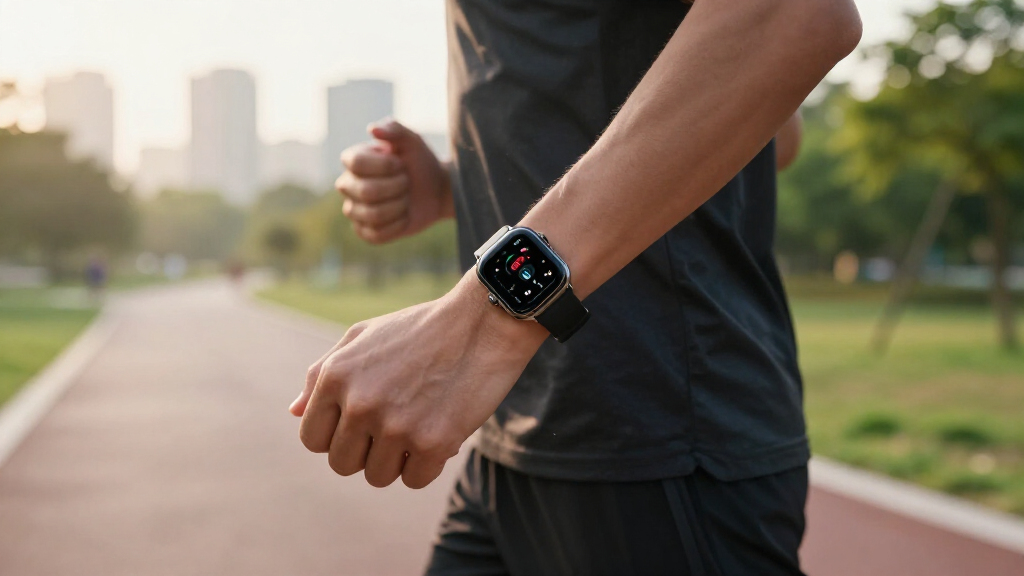
In 2026, ten new smartwatches powered by advanced AI are set to redefine wearable technology. These devices offer improved health monitoring, seamless integration, and smarter user experiences, marking a significant step forward in wearable innovation.
Ten new smartwatches powered by advanced artificial intelligence (AI) have been announced for release in 2026, showcasing significant innovations in health monitoring, user interface, and ecosystem integration. These devices, developed by leading tech companies, aim to offer more personalized, efficient, and intuitive experiences for users, highlighting the ongoing evolution of wearable technology.
Leading manufacturers such as Apple, Google, Samsung, and emerging startups have introduced models featuring enhanced AI capabilities. These include real-time health analysis, predictive activity suggestions, and smarter notifications. The new devices emphasize seamless ecosystem compatibility, with Apple focusing on its iOS integration through the latest Apple Watch Series 11, while Android options like the Google Pixel Watch 5 continue to expand their AI-driven health and productivity features.
Confirmed specifications include advanced sensors like ECG, blood pressure, and SpO2 monitoring, alongside improved battery life and faster charging. The designs vary from sleek, minimalistic styles to rugged, sport-oriented models, catering to diverse user preferences. Market analysts predict these innovations will significantly influence consumer choices and industry standards in wearable tech.
The 10 picks
- 1
 Google Pixel Watch 5 (45mm) – Android Smartwatch – Olive – Wi-FiView on Amazon →
 - 2
 WHOOP 5.0/MG Activity Tracker with 12-Month MembershipView on Amazon →
 - 3
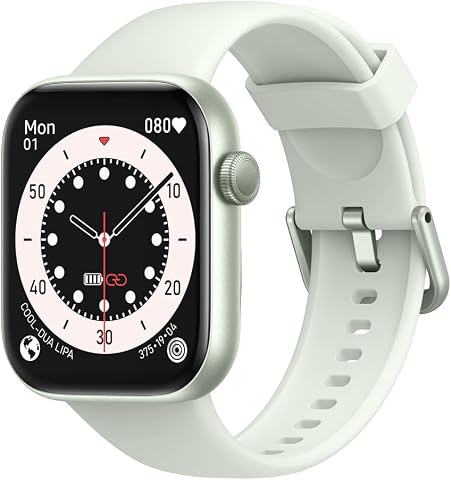 Smart Watch for Men and Women with Call Function, Heart Rate, Blood Pressure,…View on Amazon →
 - 4
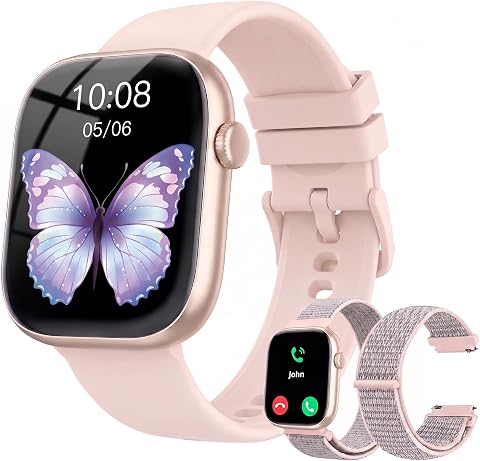 Smart Watch for Women, Bluetooth Calls, 1.83" HD Screen, 2 BandsView on Amazon →
 - 5
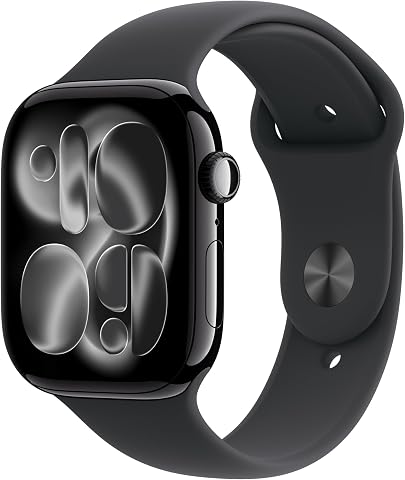 Apple Watch Series 11 GPS 46mm Smartwatch with Jet Black Aluminum Case and Bl…View on Amazon →
 - 6
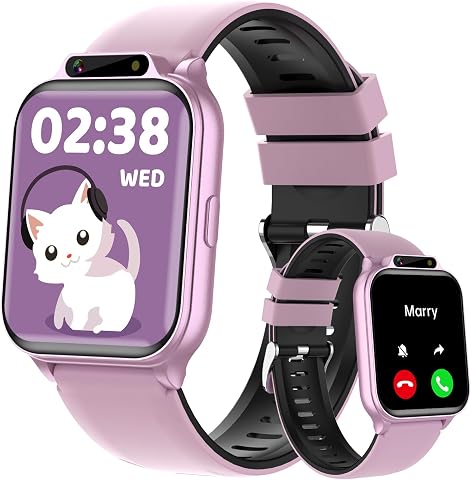 Smart Watch for Kids, 1.85" Fitness Tracker with Heart Rate, Sleep Monitor, W…View on Amazon →
 - 7
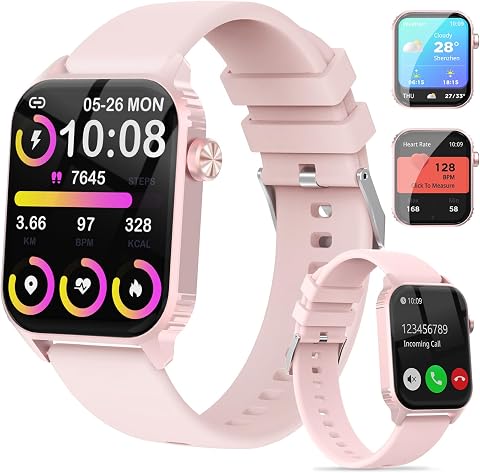 Smart Watch for Women, 120 Sports Modes, 1.83" HD Display, Alexa Built-in, He…View on Amazon →
 - 8
 Smart Watch for Men, 120 Sports Modes, 1.83" HD Display, Alexa Built-in, Hear…View on Amazon →
 - 9
 Smart Watch for Men and Women, 1.83" HD Touchscreen Fitness Tracker with Blue…View on Amazon →
 - 10
 Smart Watch for Men and Women with Call Function, 1.83" HD Touchscreen, Fitne…View on Amazon →
Impact of AI-Enhanced Wearables in 2026
The introduction of these AI-powered smartwatches marks a pivotal shift in wearable technology, offering users more personalized health insights, smarter notifications, and better ecosystem integration. This evolution could lead to broader adoption of wearables for health management, fitness, and daily productivity, potentially transforming how consumers monitor their well-being and interact with digital services.
For health-conscious users, the advanced sensors and AI-driven analytics provide more accurate and actionable data, possibly reducing reliance on traditional medical devices. For tech enthusiasts, the smarter interfaces and predictive features enhance user experience, making wearables more indispensable than ever. Overall, these developments could accelerate the integration of AI into everyday life through wearable devices.
2026 Wearable Tech Landscape and Prior Developments
Over recent years, smartwatches have transitioned from simple fitness trackers to sophisticated health and communication devices. The 2025 releases, such as the Apple Watch Series 10 and Samsung Galaxy Watch 5, introduced features like ECG, blood oxygen monitoring, and improved battery life. These models set the stage for 2026’s AI-driven innovations, with manufacturers emphasizing smarter, more personalized experiences.
Industry analysts have long predicted that AI integration would be key to future wearable success, with companies investing heavily in health sensors, machine learning algorithms, and ecosystem compatibility. The 2026 announcements represent a culmination of these trends, aiming to deliver devices that not only track data but also interpret and act on it in real time.
Unconfirmed Features and Market Reception
While specifications for the new smartwatches have been announced, details about their actual performance, user adoption rates, and long-term reliability remain uncertain. Market reception will depend on how well these devices deliver on their AI promises and how consumers respond to the new features.
Additionally, some claims about the extent of AI capabilities and health monitoring accuracy are based on preliminary data or manufacturer statements, which require real-world testing to verify.
Upcoming Launches and Consumer Availability
Manufacturers plan to release these AI-powered smartwatches throughout 2026, with initial availability expected in the first quarter. Consumer reviews and expert analyses will follow, assessing their real-world performance and value. Industry insiders also anticipate further updates and software enhancements to optimize AI functionalities after launch.
Consumers interested in these devices should stay tuned for official release dates, pricing details, and detailed reviews to determine which smartwatch best fits their needs.
Key Questions
How do the new AI features improve smartwatch functionality?
The AI features enable real-time health analysis, personalized activity suggestions, smarter notifications, and predictive insights, making the devices more intuitive and helpful for daily use.
Are these smartwatches compatible with both iOS and Android?
Compatibility varies by model. Apple’s new watches are optimized for iOS, while Android-compatible devices like the Google Pixel Watch 5 support Android systems. Cross-compatibility is limited.
Will these watches require frequent updates or maintenance?
Like most smart devices, regular software updates will be necessary to enhance AI capabilities, security, and performance. Manufacturers are expected to provide ongoing support post-launch.
What health features are included in the new models?
Confirmed features include ECG, blood pressure monitoring, SpO2 sensors, and advanced sleep tracking, with some models offering predictive health insights powered by AI.
How much will these new smartwatches cost?
Pricing details are yet to be officially announced, but industry estimates suggest a range from mid-tier to premium prices, depending on features and brand.
Source: ThorstenMeyerAI.com
Fall Picks
fall essentials
As an affiliate, we earn on qualifying purchases.