
TL;DR
Ocean Cleanup has begun operating new interceptors in Los Angeles rivers, including Bollona Creek, to capture plastic waste before it reaches the Pacific. The initiative is part of a broader effort to combat ocean pollution by targeting river sources.
Ocean Cleanup has begun operating new trash interception systems in Southern California rivers, including Bollona Creek in Los Angeles, marking a significant step in its effort to reduce ocean plastic pollution by targeting river sources before waste reaches the Pacific.
The organization has deployed its autonomous Interceptor systems in Los Angeles County, with the first system at Bollona Creek collecting over 143,000 pounds of trash in 2025. These systems are solar-powered barges that capture floating debris using V-shaped booms and conveyor belts, designed to prevent plastic waste from reaching the ocean.
The Los Angeles project is part of a broader initiative targeting the 30 most polluted cities worldwide, focusing on rivers responsible for nearly 80% of ocean plastic pollution. Ocean Cleanup plans to install additional interceptors on the San Gabriel River and the Los Angeles River, aiming to expand the impact in the region.
Impact of River-Based Trash Collection in LA
This development is significant because it addresses the primary source of ocean plastic pollution—rivers—by intercepting waste before it reaches the sea. It demonstrates a practical approach to reducing marine debris and supports local communities by decreasing beach pollution and cleanup costs.
As an affiliate, we earn on qualifying purchases.
Background on Ocean Cleanup and LA River Efforts
Ocean Cleanup, founded by Dutch engineer Boyan Slat, initially aimed to remove floating plastic from the Pacific Garbage Patch but shifted focus to river systems after realizing the scale of the challenge. The organization has developed solar-powered interceptors since 2017, with pilot projects in Los Angeles beginning in 2022. The current deployment in Southern California reflects an ongoing effort to adapt its technology to local conditions and reduce ocean pollution at its source.
“Every river is different in how they act, where you can deploy, and what the conditions of nature are. It takes specialized knowledge and effort to get these systems operational.”
— an anonymous researcher
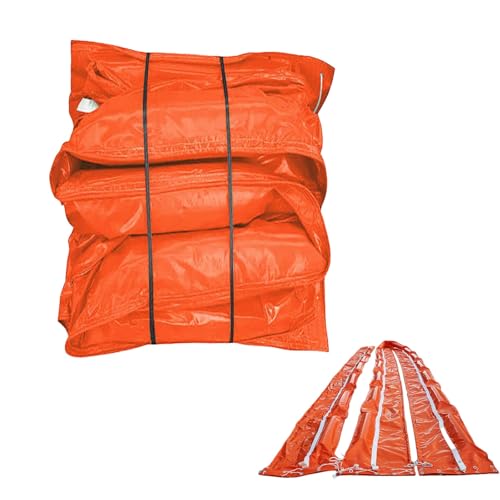
XAXIAMZ Floating PVC Oil Containment Boom with Independent Air Chambers for Marine Spill Control and Debris Collection at Docks and Ports
- Material: High-strength double-coated PVC fabric
- Resistance: Oil, sun, and abrasion resistant
- Function: Intercepts and redirects oil spills
As an affiliate, we earn on qualifying purchases.
As an affiliate, we earn on qualifying purchases.
Pending Data on Long-Term Effectiveness
It is not yet clear how effective the Los Angeles interceptors will be over the long term, including their maintenance costs, durability, and actual impact on reducing ocean plastic pollution. The full environmental and community impacts are still being evaluated, and further data is needed to measure success comprehensively.

iTouchless 8 Gallon Touchless Sensor Trash Can with Odor Filter System, 30 Liter Round White Steel Garbage Bin, Perfect for Home, Kitchen, Office
- Satisfaction Guarantee: Full warranty and customer support
- Touchless Operation: Hands-free lid opening for hygiene
- Odor Control System: Includes odor filter to eliminate smells
As an affiliate, we earn on qualifying purchases.
As an affiliate, we earn on qualifying purchases.
Expansion Plans and Monitoring Efforts in LA
Ocean Cleanup plans to install two more interceptors on the San Gabriel and Los Angeles Rivers later in 2025, with ongoing monitoring to assess their performance. The organization will continue to gather data to evaluate the effectiveness of these systems and explore potential improvements. Local authorities and environmental groups will also observe the impact on beach pollution and community cleanup efforts.

Reusable Floating Oil Boom for Water Pollution Control, Marine Spill Prevention, Debris Barrier for Ports & Rivers, Independent Airbags, 10m x 45cm (33ft x 17.88
- Effective Oil Containment: Blocks and diverts floating oil efficiently
- Multi-Use Water Protection: Intercepts debris and algae for water safety
- Durable Double-Sided PVC: Resistant to oil, UV, and weather elements
As an affiliate, we earn on qualifying purchases.
As an affiliate, we earn on qualifying purchases.
Key Questions
How do the river interceptors work?
The interceptors are solar-powered barges with V-shaped booms that direct floating debris into conveyor belts, which then transfer waste into dumpsters for removal and proper disposal.
Why focus on rivers instead of directly cleaning the ocean?
Research shows that nearly 80% of ocean plastic pollution comes from rivers, making them the most effective point of intervention to prevent waste from reaching the sea.
What is the scale of plastic waste collected so far?
In 2025, the Bollona Creek system alone collected over 143,000 pounds of trash, demonstrating the potential impact of these systems.
Are the interceptors cost-effective?
Each system costs approximately $1.3 million to design and install, with annual maintenance around $650,000. Ocean Cleanup provides these systems free of charge to Los Angeles County, viewing them as a long-term investment in pollution reduction.
What challenges remain for the project?
Challenges include customizing systems for different rivers, securing permits, ongoing maintenance, and ensuring the collected waste is responsibly processed and disposed of without creating new environmental issues.
Source: CleanTechnica