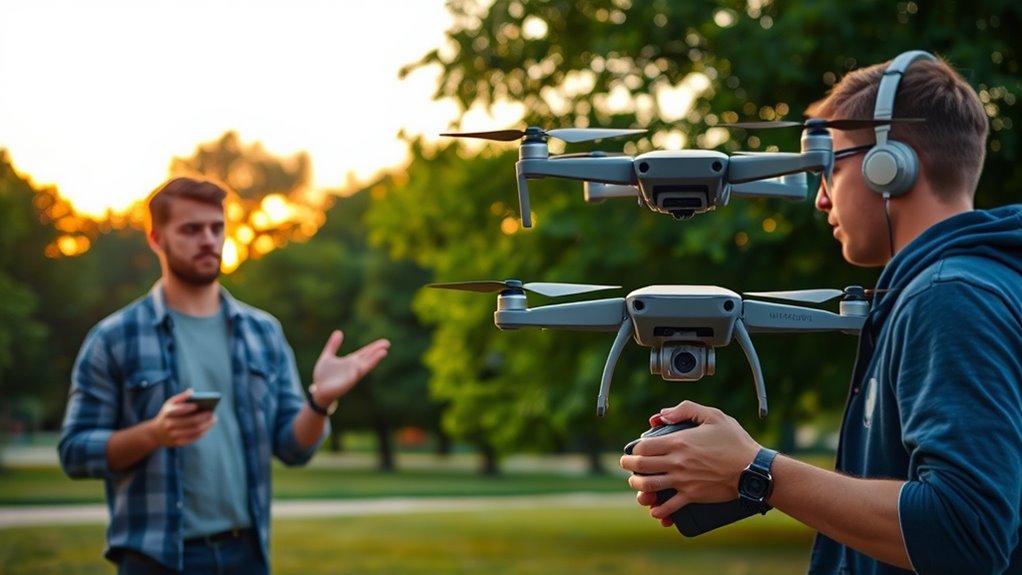

If someone confronts you while flying your drone, stay calm and listen carefully to their concerns without interrupting. Explain your reasons for flying, emphasizing compliance with local laws and respect for privacy. Show empathy and maintain professionalism to defuse tension. If issues escalate, suggest involving authorities or sharing contact info for relevant regulators. Staying transparent and respectful helps build trust and resolve conflicts smoothly—continue exploring how to handle these situations effectively.
Key Takeaways
- Listen attentively and show empathy to de-escalate the situation.
- Clearly explain your reasons for flying and adherence to local laws.
- Confirm your drone operation complies with relevant regulations and privacy standards.
- Remain calm, avoid confrontation, and suggest involving authorities if needed.
- Maintain professionalism and transparency to build trust and resolve concerns effectively.
Handling Drone Complaints
When you receive a drone complaint, addressing it promptly and professionally is essential to maintaining good community relations. Whether someone raises concerns about privacy or questions the legality of your flight, your response can either resolve the issue or escalate tensions. Start by listening carefully to the complainant’s concerns without interrupting. Show empathy and acknowledge their feelings, even if you believe your drone operation is lawful. This approach helps de-escalate the situation and demonstrates that you respect their perspective.
Promptly and professionally addressing drone complaints fosters community trust and helps resolve issues amicably.
Next, clarify your intentions and explain your reasons for flying, especially if you’re adhering to local regulations. Many complaints stem from misunderstandings about drone privacy or legal boundaries. Be prepared to provide information about how you operate your drone, such as altitude limits, flight zones, and privacy considerations. If someone feels their privacy has been invaded, calmly explain that you are conscious of privacy concerns and follow applicable laws designed to protect individuals from unwarranted surveillance. Emphasize that you’re committed to responsible flying and respecting the community’s privacy rights.
It’s equally important to be aware of the legal considerations surrounding drone use. Laws regarding drone flights can vary markedly by jurisdiction, and ignorance of these rules doesn’t exempt you from compliance. Confirm that your drone operation complies with all relevant regulations, such as altitude restrictions, no-fly zones, and maintaining line of sight. If the complaint involves a possible violation, politely inform the person that you are aware of the rules and are operating within legal boundaries. If you’re unsure about specific laws, consider consulting local authorities or drone legal experts to ensure your flight remains compliant. Demonstrating that you’re knowledgeable and compliant can help defuse accusations and build trust.
If the complaint persists or escalates, avoid confrontation. Instead, calmly suggest that you’re willing to discuss the matter further with authorities if needed. Providing contact information for local drone regulators or law enforcement agencies shows you’re serious about following legal considerations. Keep your drone in sight and avoid any aggressive or defensive responses that could make the situation worse.
Being informed about unexplained phenomena and other mysteries can also help you respond thoughtfully if your drone is mistaken for something supernatural or unexplained. Ultimately, handling drone complaints with professionalism and transparency helps protect your reputation and ensures respectful community interactions. By listening, clarifying your intentions, and demonstrating your awareness of privacy concerns and legal considerations, you can resolve many issues amicably. Remember, proactive communication and a respectful attitude often go a long way in turning a complaint into an opportunity for positive engagement.
![Peslv [2-Pack] 24 Inch Privacy Screen for Computer Monitor 16:9 Aspect Ratio, Eye Protection Anti Blue Light Glare Shield, 24inch Removable Black Blackout Anti Spy Desktop Security Private Filter](https://m.media-amazon.com/images/I/51LJJ4eL26L._SL500_.jpg)
Peslv [2-Pack] 24 Inch Privacy Screen for Computer Monitor 16:9 Aspect Ratio, Eye Protection Anti Blue Light Glare Shield, 24inch Removable Black Blackout Anti Spy Desktop Security Private Filter
- Compatible Monitor Sizes: Fits 24-inch monitors with 16:9 aspect ratio
- Privacy Protection: Blocks views beyond ±30° angle
- Easy Installation: Two mounting options for quick setup
As an affiliate, we earn on qualifying purchases.
As an affiliate, we earn on qualifying purchases.
Frequently Asked Questions
How Can I Prevent Complaints Before Flying My Drone?
To prevent complaints before flying your drone, engage with your community and inform them about your plans. Participate in local community engagement efforts and attend meetings to build trust. Additionally, get proper drone training to guarantee you’re aware of regulations and safe flying practices. By showing responsibility and respect for others’ privacy, you reduce the likelihood of conflicts and create a positive flying experience for everyone involved.
What Legal Steps Should I Take if Accused Unfairly?
If you’re unfairly accused, don’t let the situation spiral out of control. You should immediately consult legal counsel to understand your rights and responsibilities. Keep evidence like photos or videos, and consider liability insurance to protect yourself financially. Stay calm and cooperative, like a steady ship in a storm. Taking these steps helps you navigate the legal waters smoothly and defend yourself effectively against false accusations.
How Do I Document Incidents Involving Drone Complaints?
You should document incidents involving drone complaints by recording details like date, time, location, and the nature of the complaint. Take photos or videos if possible to capture drone privacy concerns. Report the incident promptly through official channels or incident reporting forms. Keeping detailed records helps clarify the situation, supports your case if needed, and demonstrates your commitment to responsible drone flying while addressing any concerns about privacy or safety.
Can I Fly Legally Over Private Property Without Permission?
Flying over private property is like crossing an invisible line—you need permission first. Legally, you can’t do it without the owner’s consent, especially if your drone raises privacy concerns. Make sure your drone is registered to avoid penalties and respect others’ privacy. Always check local regulations, as laws vary. Being respectful and informed helps you fly responsibly, avoiding confrontations and legal trouble.
What Are the Best Ways to De-Escalate Confrontations?
To de-escalate confrontations, stay calm and use respectful communication. Employ calming techniques like speaking softly, maintaining open body language, and listening actively to the other person’s concerns. Acknowledge their feelings and apologize if appropriate, showing you respect their perspective. Keep your tone friendly, avoid arguing, and focus on finding common ground. This approach helps diffuse tension and promotes a respectful, constructive conversation.

Police Drone Detection Kit – A Portable Drone Tracking Device Compatible with Both iOS and Android Phones.
- Detection Capability: Detects Remote ID-compliant drones only
- Real-Time Alerts: Instant drone presence notifications
- Logging & Records: Keeps searchable detection history
As an affiliate, we earn on qualifying purchases.
As an affiliate, we earn on qualifying purchases.
Conclusion
Remember, when faced with complaints, you’re steering through a delicate sky of trust and responsibility. Like Icarus, don’t let hubris fly you too close to trouble; instead, stay grounded in respect and understanding. Address concerns calmly, demonstrate your respect for privacy, and always follow the rules. Managing these moments wisely ensures you don’t fall from grace but soar as a responsible drone operator, building a reputation as someone who respects the air and those below.

ComplianceSigns.com Emergency Contact Numbers 911 Sign, 10×7 inch Aluminum for Emergency Response
- Clear Emergency Response Sign: Easy-to-read 911 safety message
- Durable Aluminum Material: 1mm enamel-coated with protective laminate
- Simple Installation: Rounded corners with mounting holes
As an affiliate, we earn on qualifying purchases.
As an affiliate, we earn on qualifying purchases.
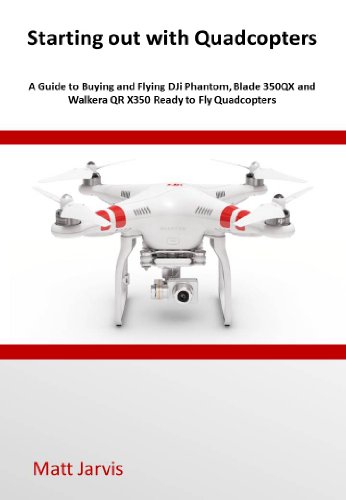
Starting out with Quadcopters: A Guide to Buying and Flying DJi Phantom, Blade 350QX and Walkera QR X350 Ready to Fly Quadcopters
As an affiliate, we earn on qualifying purchases.
As an affiliate, we earn on qualifying purchases.