📊 Full opportunity report: AI-Based Near-Miss Detection: Protecting Workers And Ensuring Compliance on IdeaNavigator AI — validation score, market gap, and execution plan.

Get the latest gadgets delivered free — and shop member deals
- Fast, free delivery on millions of items
- Access to Prime Big Deal Days deals on October 6–7
- Prime Video, Amazon Music and more included
TL;DR
AI technology now enables warehouses to automatically detect forklift near-misses and safety violations from existing CCTV feeds. This development offers a scalable way to improve safety records and potentially lower insurance premiums.
AI-based near-miss detection for warehouse CCTV footage is entering a testing phase aimed at helping safety managers identify safety violations more efficiently. This technology uses vision models to analyze existing camera feeds, flagging incidents like forklift-pedestrian proximity, blind-corner conflicts, and rack contact. The development could significantly enhance safety monitoring without requiring new hardware, making it a timely solution amid rising safety compliance demands.
The system, developed by IdeaNavigator AI, ingests existing RTSP camera feeds and automatically detects unsafe events such as forklift proximity to pedestrians, speed violations, and rack strikes. It then compiles weekly digests of video clips with details on dates, shifts, and severity levels, which safety managers can review during team meetings.
Initial validation involves processing two weeks of archived footage from three mid-market warehouses. The goal is to demonstrate the system’s ability to accurately identify near-misses and unsafe behaviors, and to assess whether safety managers are willing to pay for such monitoring. The model’s deployment aims to reduce the number of incidents that go unrecorded, which currently vanish into archives until an injury occurs and triggers insurance claims.
Implications for Warehouse Safety and Insurance Costs
This AI system offers a scalable, cost-effective way for warehouses to improve safety oversight by automatically analyzing existing CCTV footage. It addresses a common problem: hundreds of hours of footage are rarely reviewed, leading to missed near-misses and unsafe behaviors that could result in injuries. By documenting these leading indicators, warehouses could potentially lower incident rates and insurance premiums, while also fostering a safer work environment.
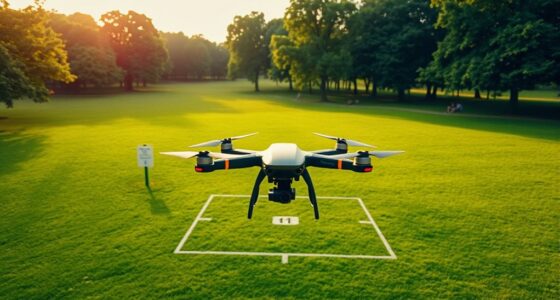
warehouse CCTV safety monitoring system
As an affiliate, we earn on qualifying purchases.
As an affiliate, we earn on qualifying purchases.
Growing Emphasis on Proactive Safety Monitoring
Warehouse safety management often relies on reactive incident reporting, with many near-misses going unrecorded due to the volume of footage and limited review capacity. Vision models capable of classifying proximity and speed violations are now mature enough to automate this process. Insurers are increasingly rewarding documented safety programs, creating a financial incentive for early adoption of AI monitoring tools. This development aligns with broader industrial safety trends emphasizing proactive risk management.
“Using existing CCTV feeds for near-miss detection can transform safety oversight by providing real-time insights and reducing unreported incidents.”
— an anonymous researcher
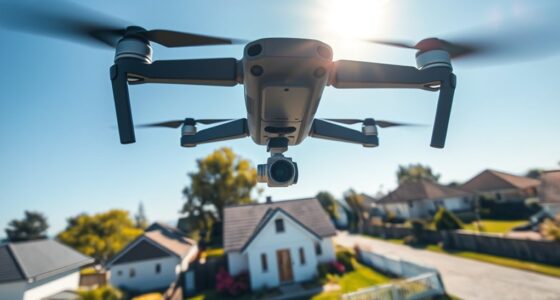
forklift proximity detection camera
As an affiliate, we earn on qualifying purchases.
As an affiliate, we earn on qualifying purchases.
Uncertainties About System Accuracy and Adoption
It is not yet clear how accurately the system will perform across diverse warehouse environments or how safety managers will respond to automated alerts. The effectiveness of the model in real-world conditions, beyond initial testing, remains to be validated. Additionally, the willingness of warehouses to subscribe and pay for this service depends on demonstrated ROI and integration ease, which are still being assessed.
industrial near-miss detection software
As an affiliate, we earn on qualifying purchases.
As an affiliate, we earn on qualifying purchases.
Next Steps in Validation and Deployment
Following initial testing, IdeaNavigator AI plans to expand trials to additional warehouses and refine the model based on feedback. Success in these pilots could lead to broader commercial rollout, with ongoing monitoring of incident reduction and insurance savings. Further development may include integrating with existing safety management systems and expanding detection capabilities.
As an affiliate, we earn on qualifying purchases.
Key Questions
How does the AI detect near-misses in warehouse footage?
The AI uses vision models trained to classify proximity between forklifts and pedestrians, monitor speed violations, and identify contact with racks. It analyzes existing CCTV feeds in real-time or from archived footage to flag potential incidents.
Will this system replace human safety managers?
No, it is designed to assist safety teams by automating the review process and highlighting incidents that might otherwise go unnoticed. Human oversight remains essential for decision-making and follow-up actions.
What are the cost implications for warehouses adopting this system?
The system is offered as a per-facility monthly subscription scaled by camera count. Potential savings come from reduced incident rates and lower insurance premiums due to documented safety improvements.
Is the technology ready for widespread deployment?
Initial testing is underway, with validation results pending. Broader deployment will depend on successful pilot outcomes and demonstrated accuracy in diverse environments.
How does this AI improve compliance with safety regulations?
By automatically documenting near-misses and unsafe behaviors, the system helps warehouses maintain records required for regulatory compliance and safety audits.
Source: IdeaNavigator AI
Fall Picks
fall essentials
As an affiliate, we earn on qualifying purchases.