To keep your drone’s screws from vibrating loose, apply a suitable threadlocker directly onto each screw’s threads after cleaning them thoroughly with alcohol or a degreaser. Choose a low or medium strength threadlocker for easy future removal, or high-strength for critical parts. Insert the screws carefully, tightening them properly before the adhesive cures. For more tips on securing your drone and maintaining flight safety, you’ll find helpful techniques if you continue exploring.
Key Takeaways
- Clean screw threads thoroughly with alcohol or degreaser before applying threadlocker for optimal adhesion.
- Choose the appropriate strength threadlocker (medium or high) for vibration-prone drone components.
- Apply a small, even amount of threadlocker to the screw’s threads without over-application.
- Allow the threadlocker to cure for the recommended time before flying to ensure secure bonding.
- Regularly inspect and reapply threadlocker as needed to maintain screw security during drone use.

Have you ever struggled with loose bolts or constant vibrations in your projects? If you’re working on a drone, this problem can be particularly frustrating. Vibrations caused by flight maneuvers or motor activity can loosen screws over time, risking damage or even crashes. That’s where threadlocker comes into play. It’s a simple, effective solution designed to keep screws secure, even under intense conditions. To get the best results, understanding adhesive strength and proper application techniques is vital. The adhesive strength of a threadlocker determines how firmly it holds the threads together, with options ranging from low to high strength. Low-strength variants are easier to remove if you need to disassemble components later, while high-strength types provide maximum security. Choosing the right one depends on your specific needs, but for drone components exposed to frequent vibrations, a medium or high-strength threadlocker often works best.
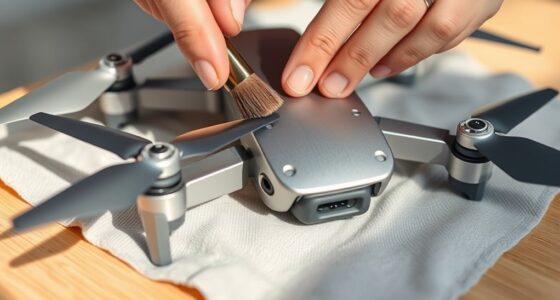
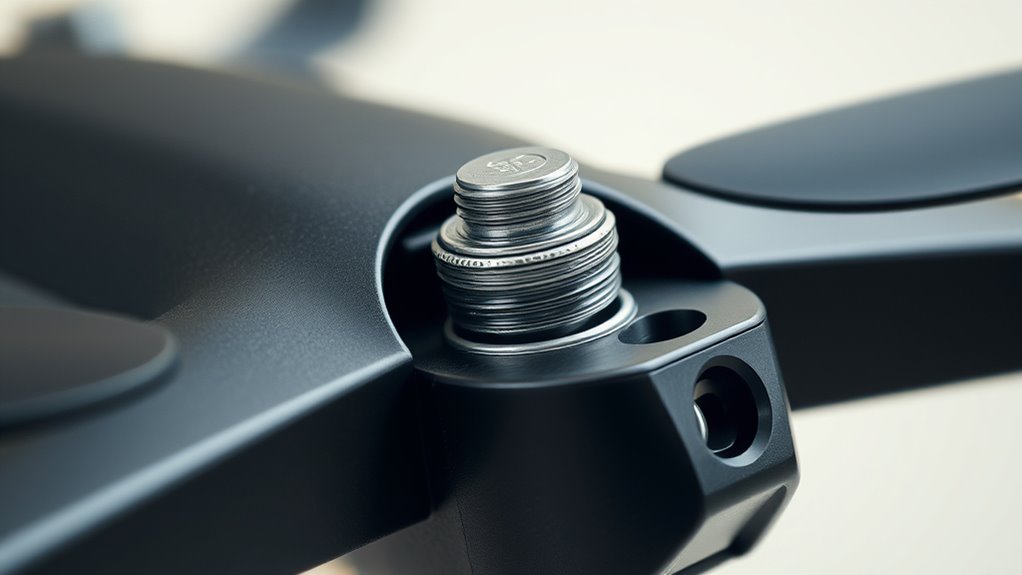
Applying threadlocker correctly is fundamental to ensuring its effectiveness. First, clean the threads thoroughly before application. Dirt, oil, or old adhesive can compromise its adhesive strength, so use a degreaser or alcohol wipe to remove any contaminants. Once the threads are dry, apply a small amount of threadlocker to the screw’s threads. You don’t need too much—just a thin film that coats the threads evenly. When you insert the screw, turn it slowly to spread the adhesive and ensure full contact. Avoid over-applying, as excess can squeeze out and make future disassembly difficult. After tightening, give the adhesive a few minutes to cure before subjecting the drone to vibrations or flight tests. Some threadlockers cure instantly, while others may require several hours for full strength, so check the manufacturer’s instructions. Additionally, proper surface preparation can significantly enhance the bonding strength of the threadlocker.
Frequently Asked Questions
Can Threadlocker Be Removed if Needed?
Yes, you can eliminate threadlocker if needed. To do so, you’ll typically use heat or a solvent like isopropyl alcohol to loosen the bond. This makes removing threadlocker easier when you need to replace damaged screws or perform repairs. Just be careful not to damage the screw or surrounding parts. Proper removal ensures you can replace damaged screws securely and avoid future vibration issues in your drone.
Is Threadlocker Safe for All Drone Materials?
Threadlocker is generally safe for most drone materials, but you should check its metal compatibility and temperature resistance first. Some threadlockers work better on metal parts, while others may be too harsh for plastics or composites. If you’re using it near high-temperature areas, pick a threadlocker designed for heat resistance. Always read the product label to verify it suits your drone’s specific materials and operating conditions.
How Long Does It Take for Threadlocker to Cure?
It usually takes about 24 hours for the threadlocker’s application drying to fully cure, but it can set in as little as 10-15 minutes for some types. The removal process involves applying heat or using proper tools, depending on how strong the bond is. For best results, avoid disturbing the screws during curing, and give it enough time to guarantee a secure, vibration-resistant hold.
Can Threadlocker Cause Damage to Drone Components?
Think of threadlocker residue like a silent guardian, but if misapplied, it can turn into a corrosive shadow. Yes, it can cause damage to drone components if it seeps into sensitive parts or isn’t fully cured, leading to potential component corrosion. To avoid this, apply it precisely and clean excess residue promptly. Proper use guarantees your drone remains protected without risking harm from unintended damage.
What Are the Best Types of Threadlocker for Drones?
The best types of threadlocker for drones are medium to high-strength options, like Loctite 243 or 263, which provide secure thread locking without damaging components during removal. When applying threadlocker, make sure to use just a small amount and allow it to cure fully. Incorporate these drone maintenance tips to guarantee your screws stay tight during flight while avoiding excess that could interfere with moving parts or sensors.
Conclusion
So, next time you’re flying your drone, don’t forget to apply threadlocker. It’s a small step that can save you from mid-air mishaps or losing essential screws. Think about that moment when your drone suddenly wobbles—without threadlocker, those tiny screws might just shake loose. Keep your drone steady and secure, and enjoy smooth flights every time. Trust me, a little bit of threadlocker goes a long way in keeping your drone flying confidently.