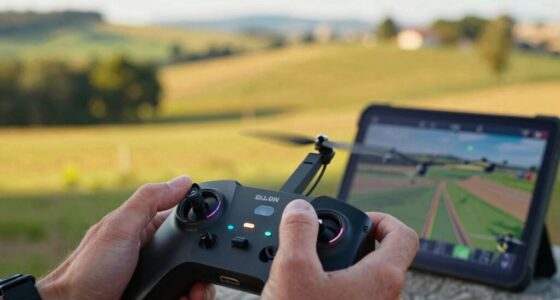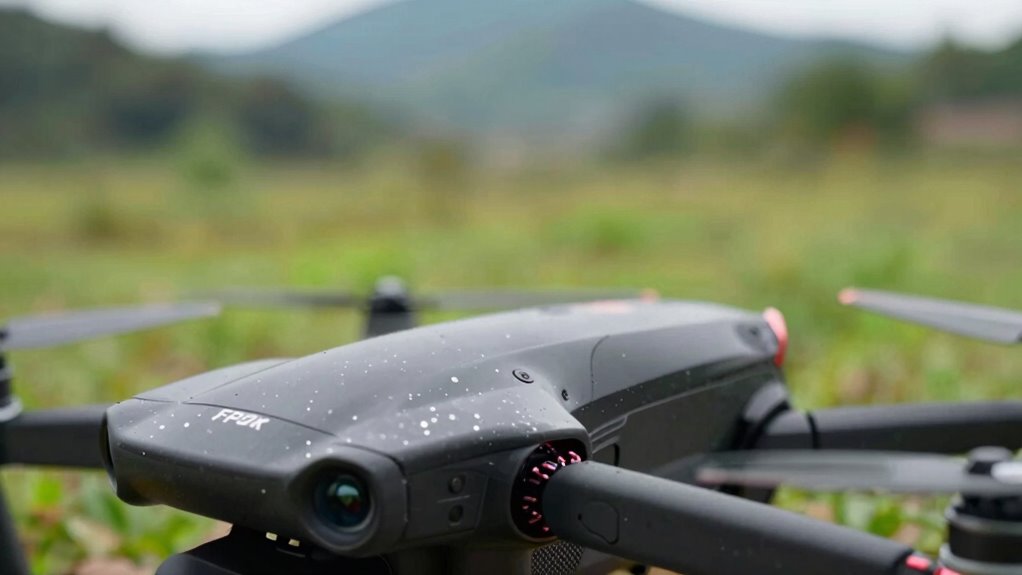

Your antenna choice directly impacts your FPV experience by influencing signal strength, stability, and video clarity. Using the right antenna helps you maintain a reliable connection during flight, even over longer distances or in crowded areas. Poor or mismatched antennas increase interference and cause video dropouts. By understanding different antenna types and their benefits, you can optimize your setup for better performance. Keep exploring to learn how to choose antennas that truly enhance your flying adventures.

Get the latest gadgets delivered free with Prime
- Fast, free delivery on millions of items
- Prime Video, Amazon Music and more included
- Member-only deals all year
Key Takeaways
- Proper antenna selection directly impacts signal strength, range, and image clarity during FPV flights.
- The right antennas reduce susceptibility to interference from other electronics and Wi-Fi networks.
- Different antenna types offer performance advantages suited to specific environments, enhancing overall stability.
- Correct polarization alignment ensures a strong, consistent signal and minimizes video dropouts.
- Awareness of interference sources and antenna properties helps optimize setup for reliable FPV experiences.

Choosing the right antenna can profoundly enhance your FPV (First Person View) flying experience, as it directly impacts signal strength, range, and image clarity. When you’re flying your drone, a reliable connection is essential. If your antenna isn’t optimized, you’ll likely face issues like signal interference, which can cause video dropouts or complete signal loss. Signal interference often comes from other electronics, Wi-Fi networks, or even physical obstructions. The wrong antenna choice makes you more vulnerable to these disruptions, especially when flying at longer distances or in areas crowded with signals. Selecting an antenna designed to minimize interference can help you maintain a stable, clear video feed, making your flights more enjoyable and less frustrating. Additionally, understanding the antenna types and their specific benefits can help you tailor your setup for optimal performance. Being aware of how signal interference affects your connection can also help you troubleshoot issues more effectively and choose the best antenna for different environments. Recognizing the impact of polarization** on signal quality is crucial for maintaining a consistent FPV experience. Knowing how to identify and mitigate interference sources** can further improve your FPV experience.
As an affiliate, we earn on qualifying purchases.
Frequently Asked Questions
How Do Different Antenna Types Impact Signal Strength?
Different antenna types impact your signal strength by either reducing interference or boosting range. Omnidirectional antennas provide 360-degree coverage, making them great for general flying but more prone to interference. Directional antennas focus signal strength in a specific direction, enhancing range and reducing interference in that area. Choosing the right antenna helps optimize your signal, minimizes interference, and extends your flying range, ensuring a smoother FPV experience.
Can Antenna Color Affect FPV Visibility?
Yes, antenna color can affect FPV visibility. Bright or high-contrast colors increase visual contrast, making your antenna easier to spot during flights. This improved color visibility helps you quickly locate and orient your drone, especially in challenging environments or low-light conditions. Choosing antennas with vivid, contrasting colors enhances your overall FPV experience by boosting your ability to maintain visual contact and control during your flights.
Are There Antennas Better Suited for Specific Drone Sizes?
Think of antennas as suits tailored for your drone’s size—small drones need compact, lightweight antennas, while larger ones can handle beefier options. Antenna compatibility and frequency optimization are key, ensuring your signals dance seamlessly without interference. For tiny drones, choose slim, high-gain antennas that suit their agility. Bigger drones thrive with robust antennas that maximize range. Matching antenna size to drone dimensions keeps your FPV experience smooth and crystal-clear, no matter the size.
How Does Antenna Placement Influence Flight Performance?
Your antenna placement directly impacts flight performance by ensuring proper antenna alignment, which maintains a strong, clear signal. When antennas are correctly aligned, you reduce interference, leading to more stable video transmission and control. Keep antennas upright and pointed toward your drone to optimize signal strength. Proper placement also helps with interference mitigation, preventing signal dropouts and improving overall FPV experience. Always check your antenna orientation before flying for the best results.
Do Antenna Materials Affect Durability and Signal Quality?
Antenna materials are like the armor protecting your signal’s journey. Durable materials, such as high-quality plastics or carbon fiber, resist wear and tear, ensuring longevity in the field. They also reduce signal interference by maintaining structural integrity, which keeps your connection steady. Choosing the right materials means your antenna can withstand the elements and deliver clear, strong signals, enhancing your FPV experience with reliability and resilience.
As an affiliate, we earn on qualifying purchases.
Conclusion
Choosing the right antenna is like picking the perfect lens for a camera—you might not notice it at first, but it shapes every shot you take. I once swapped out a cheap antenna for a high-gain one, and suddenly, my FPV flights felt clearer and more confident, like upgrading from blurry vision to HD. Small choices like this can dramatically improve your experience, turning a good flight into an unforgettable adventure. Don’t underestimate the power of the right antenna.
As an affiliate, we earn on qualifying purchases.
As an affiliate, we earn on qualifying purchases.
Halloween Picks
halloween
As an affiliate, we earn on qualifying purchases.