If you’re after fast-paced racing and sharp maneuvers, FPV drones are your best pick—they’re agile, responsive, and great for stunts, but they offer less stability for smooth footage. On the other hand, if you want steady, high-quality videos and easy operation, camera drones are perfect—they come with stabilization and longer flight times. To find out which suits your needs best and explore the key differences, keep exploring the options.
Key Takeaways
- Choose FPV drones for racing, stunts, and immersive flying experiences requiring quick maneuverability.
- Opt for camera drones if you need stable footage and high-quality images or videos for professional use.
- Consider battery life: camera drones offer longer flight times ideal for extensive shoots, while FPV drones have shorter durations.
- For ease of use and beginner-friendly controls, camera drones typically include GPS and automated features; FPV drones demand advanced flying skills.
- Select FPV drones for speed-focused activities and camera drones for stability and cinematic quality.

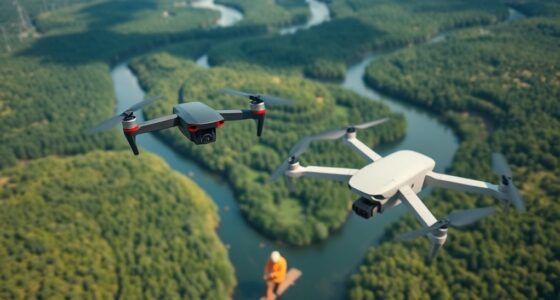
When choosing between FPV and camera drones, understanding their key differences can help you make the right decision for your needs. FPV drones are built for speed, agility, and immersive flying experiences, often used by enthusiasts who want to race or perform stunts. They prioritize maneuverability and quick response times over long flight durations. On the other hand, camera drones are designed primarily for capturing high-quality images and videos, focusing on stability, camera quality, and ease of use. Your choice depends on whether you want thrilling, fast-paced flying or professional-grade aerial photography.
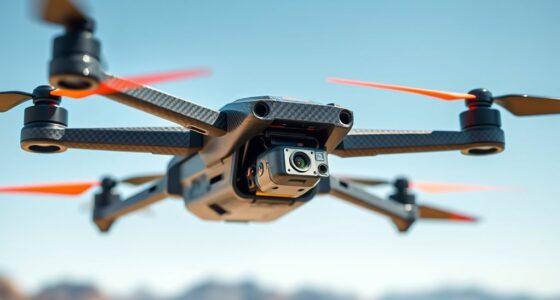
One major aspect to weigh is aerial stability. Camera drones typically excel here because they’re equipped with advanced stabilization systems like gimbals, which keep the camera steady even in windy conditions. This stability is essential for capturing smooth, professional footage. FPV drones, however, are less concerned with stability during flight. They’re designed for rapid movement and sharp turns, which can cause footage to be jittery if you’re trying to record. If your goal is to produce high-quality videos, a camera drone will serve you better in terms of aerial stability.
Camera drones offer superior aerial stability with gimbals, ensuring smooth footage, unlike FPV drones designed for speed and agility.
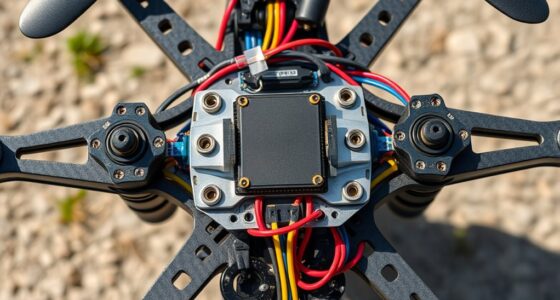
Battery life is another vital element. FPV drones generally have shorter flight times, often around 5 to 10 minutes per battery charge. Their focus on agility and speed demands lightweight frames and powerful motors, which drain batteries quickly. Conversely, camera drones tend to have longer battery life, sometimes reaching 20-30 minutes of continuous flying. This allows you to plan longer shoots without constantly swapping batteries. If extended flight time is a priority, a camera drone offers notable advantages, especially when capturing expansive landscapes or multiple shots in one session.
Ease of use also varies markedly. Camera drones are typically more beginner-friendly, with features like automatic GPS positioning, return-to-home functions, and simple controls that help you focus on capturing great footage. FPV drones, by contrast, require more skill and familiarity with flight controls since they demand quick reflexes and precise handling. They often come with goggles or screens for immersive flying, but mastering their controls takes practice. Additionally, high refresh rates are important for capturing fast-moving objects smoothly, which is another reason why camera drones with stabilization features are preferred for professional footage.
Frequently Asked Questions
How Do Battery Life Compare Between FPV and Camera Drones?
You’ll notice that FPV drones generally have shorter battery endurance than camera drones because of higher power consumption during high-speed flights and rapid maneuvers. Camera drones tend to last longer on a single charge since they focus more on stable flight and capturing footage, which requires less power. If you prioritize longer flights, choose a camera drone, but if agility and speed matter most, FPV drones might drain batteries faster.
What Are the Maintenance Requirements for Each Drone Type?
You need to regularly check battery maintenance for both drone types to guarantee peak performance. Keep batteries charged properly and avoid over-discharge. Software updates are essential; install them promptly to fix bugs and enhance features. For FPV drones, also inspect motors and propellers, while camera drones require careful lens and gimbal maintenance. Regularly cleaning and calibrating your drone helps prevent issues and extends its lifespan.
Can Beginners Easily Learn to Operate FPV Drones?
Yes, beginners can easily learn to operate FPV drones, but be aware of the beginner-friendly aspect and the learning curve involved. FPV drones offer a more immersive flying experience, but they require practice to master controls and camera angles. Start with simple flights and gradually progress. With patience and consistent practice, you’ll find flying FPV drones becomes more intuitive, making them a fun and rewarding choice for new pilots.
Are There Legal Restrictions Specific to FPV or Camera Drones?
You need to be aware of legal restrictions that apply to both FPV and camera drones. Regulatory compliance is essential, so you should check local laws before flying. You might also need airspace permissions, especially in restricted or controlled zones. Always stay within legal limits, register your drone if required, and follow guidelines to avoid fines or penalties. Being informed helps make sure safe and lawful drone operation.
Which Drone Type Is Better for Professional Filmmaking?
If you’re aiming for professional filmmaking, a camera drone is your best choice. Imagine capturing a smooth, sweeping shot of a cityscape using advanced cinematography techniques. Its superior drone stabilization guarantees steady footage, essential for high-quality productions. While FPV drones excel in dynamic shots, camera drones provide the precision and image quality needed for cinematic projects, making them ideal for filmmakers seeking polished, professional results.
Conclusion
Ultimately, choosing between FPV and camera drones depends on your passion for speed or stunning visuals. Imagine soaring through a mountain valley, feeling the rush of wind as your FPV drone zooms past rugged cliffs, or capturing a sunset over a city skyline with a steady camera drone. Both offer unique adventures—one puts you in the pilot’s seat, the other frames breathtaking stories. Decide which journey calls to you, and let your drone take you there.