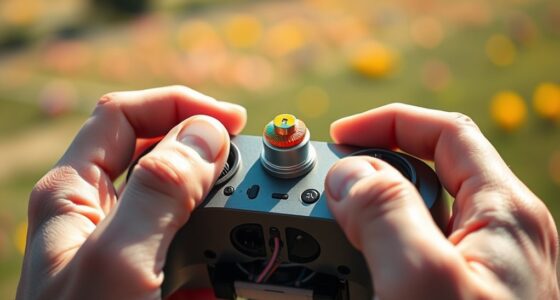
One common mistake new FPV pilots make is skipping thorough pre-flight checks, which can lead to crashes or damage. Not properly calibrating your flight controller and sensors can cause unpredictable behavior. Using damaged batteries or ignoring their health risks safety and flight time. Flying without confirming propeller security or frame integrity increases crash chances. Finally, rushing into your first flights without practicing in safe environments sets you up for trouble. Keep these tips in mind as you improve—more insights await to help you succeed.
Key Takeaways
- Neglecting proper calibration of sensors, leading to unstable flight and unpredictable drone behavior.
- Failing to perform thorough pre-flight inspections to identify potential issues before flying.
- Using incorrect or damaged batteries, risking power loss, damage, or safety hazards.
- Not properly configuring or updating the flight controller firmware for optimal stability.
- Rushing into flights without checking connections, props, and overall drone condition.
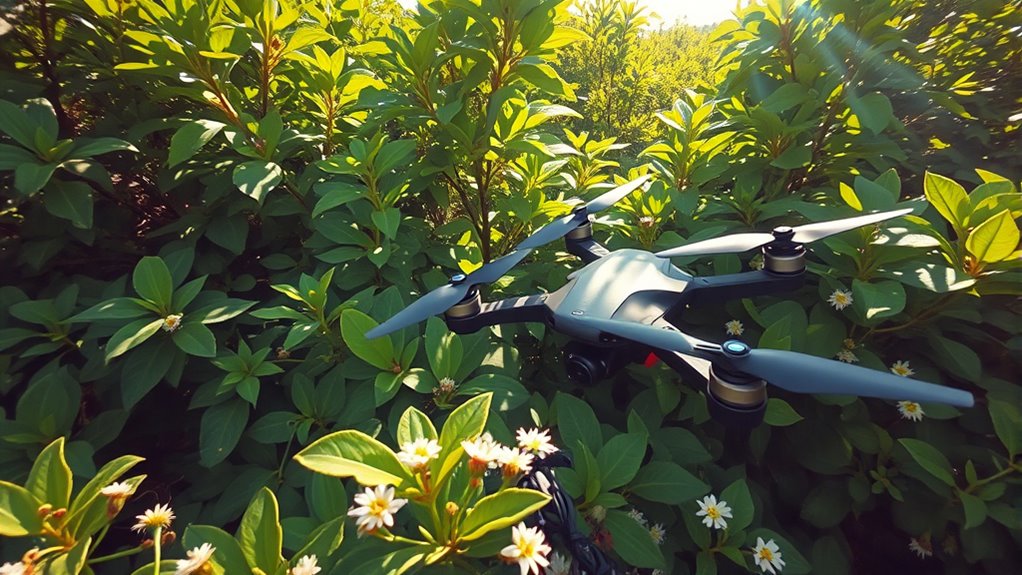
Getting started in FPV drone flying is exciting, but new pilots often make mistakes that can slow their progress or even cause crashes. One of the most common pitfalls involves issues with the flight controller. Your flight controller acts as the drone’s brain, managing everything from stabilization to motor responses. If it’s not properly configured, your drone can become unpredictable, making flying both frustrating and dangerous. Before you even take off, spend time tuning your flight controller settings. Make sure the firmware is up-to-date, and calibrate sensors like the accelerometer and gyroscope. Many beginners skip this step, leading to stability problems mid-flight. Also, double-check the wiring and connections; loose or faulty wiring can cause erratic behavior or controller failure. Remember, a well-calibrated and properly configured flight controller is key to safe, smooth flying. Additionally, understanding the importance of proper calibration can significantly improve your flying experience.
Battery management is another critical area where new pilots often stumble. Many beginners underestimate how important it is to monitor and maintain their batteries. Using the wrong charger, over-discharging, or neglecting to balance cells can all lead to reduced battery life or dangerous situations like fires. Always use a charger specifically designed for your drone’s battery type, and never leave your batteries charging unattended. It’s equally essential to understand your battery’s capacity and voltage ratings. Keep an eye on your voltage levels during flights—flying with a depleted or unbalanced battery can cause sudden power loss or damage the battery. Invest in a good battery checker or voltage monitor, and set alert thresholds if your setup allows it. Proper storage is also crucial; store batteries at a partial charge in a cool, dry place to prolong their lifespan.
Another mistake related to battery management is rushing into flights without fully inspecting your batteries or drone. Always perform a quick pre-flight check: look for any swelling, corrosion, or damage to the battery, and ensure connectors are secure. Also, verify that your props are securely fastened and that your drone’s frame isn’t damaged. Handling your batteries with care and following proper maintenance routines will save you money and prevent accidents.
Frequently Asked Questions
What Are the Best Beginner-Friendly FPV Drone Models?
If you’re starting out, consider beginner-friendly FPV drones like the BetaFPV Beta 95X or Tinyhawk 2. These models are easy to control and durable, perfect for learning. Pair them with essential drone accessories like spare batteries and a good flight simulator to practice safely. Using a simulator helps you build skills without risking your drone, making your learning curve smoother and more enjoyable.
How Can I Improve My FPV Flying Skills Quickly?
To improve your FPV flying skills quickly, practice consistency by setting aside regular flying sessions. Review tutorials to learn new techniques and understand drone controls better. Focus on small, manageable exercises to build confidence and muscle memory. Keep track of your progress, and don’t get discouraged by mistakes. With dedication, you’ll see improvement faster, making your flights smoother and more enjoyable.
What Safety Gear Should I Wear When Flying FPV?
When flying FPV, you should wear protective clothing like long sleeves, gloves, and eye protection to prevent injuries from crashes or flying debris. Always keep an emergency kit nearby, including first aid supplies and tools for quick repairs. This gear keeps you safe and prepared for accidents, helping you focus on flying confidently. Prioritize safety first, so you can enjoy your flights without unnecessary risks.
How Do I Choose the Right FPV Goggles?
Picking the perfect pair of FPV goggles begins with a clear buying guide and understanding key features. Focus on fit, comfort, and clarity to make certain a snug, immersive experience. Look for adjustable diopters, a wide field of view, and good resolution. Consider compatibility with your drone’s frequency and camera. By balancing budget with desired features, you’ll find goggles that deliver sharp visuals and seamless flights, making your FPV adventures fantastic and frustration-free.
What Are Common Troubleshooting Steps for FPV Signal Loss?
When experiencing FPV signal loss, start by checking for signal interference, like other electronic devices or obstacles blocking the signal path. Confirm your transmitter is functioning properly and that the antennas are secure and undamaged. Switch to a different channel or frequency if interference persists. Also, verify your receiver settings and connections. These steps help pinpoint issues related to transmitter problems or external interference, restoring a stable FPV feed.
Conclusion
Avoid these common mistakes, and you’ll find yourself soaring with confidence. Remember, every expert was once a beginner, and every flight is a chance to learn. If you stay patient and keep practicing, you’ll turn those early crashes into smooth, controlled flights. Think of your journey as a flight itself—sometimes bumpy, but always headed toward higher skies. So, strap in, stay curious, and let your passion for FPV guide your wings to new heights.