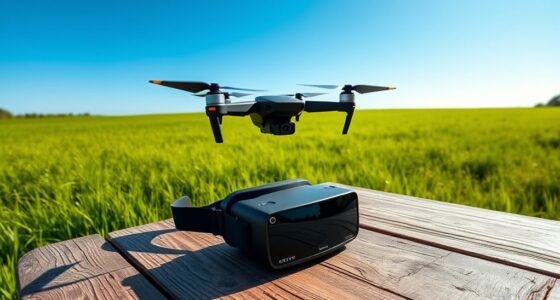
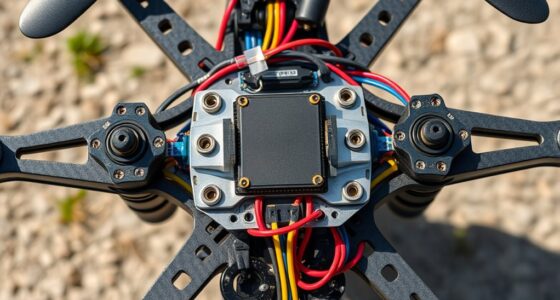
If you’re deciding between analog and digital FPV, consider that analog offers low latency, making it great for quick responsiveness and tight maneuvers, plus it’s more budget-friendly and reliable at close ranges. Digital provides sharper visuals, longer range, and more features, but with higher latency and cost. Beginners should weigh convenience versus performance and environment. Stay tuned to discover how to choose the best system based on your flying style and surroundings.

Get the latest gadgets delivered free with Prime
- Fast, free delivery on millions of items
- Prime Video, Amazon Music and more included
- Member-only deals all year
Key Takeaways
- Analog FPV offers low latency, making it ideal for responsive flying and acro maneuvers, while digital systems provide clearer, higher-resolution images.
- Analog setups are budget-friendly and simpler to install, whereas digital systems tend to be more expensive, complex, and fragile.
- Analog signals perform reliably at close ranges and through obstacles but have lower image quality and more interference issues.
- Digital FPV provides extended range, better image clarity, and features like telemetry, but suffers from higher latency and hardware fragility.
- Beginners should consider environment, budget, and desired image quality when choosing between analog and digital FPV systems.
As an affiliate, we earn on qualifying purchases.
Key Advantages of Analog and Digital FPV Systems

Both analog and digital FPV systems offer distinct benefits that cater to different flying styles and priorities. If you want responsive control with minimal delay, analog systems excel with their low latency, making them perfect for acro and freestyle flying. They’re also more budget-friendly, allowing you to get started without breaking the bank. Additionally, analog setups are known for their reliable performance at close ranges and through obstacles, providing a stable feed during intense maneuvers. On the other hand, digital FPV delivers high-definition visuals, giving you crisp, clear images that enhance your flying experience. With extended range and advanced features like telemetry and recording, digital systems are ideal for long-distance flights and immersive experiences. Both options have unique strengths tailored to different preferences and skill levels. Furthermore, understanding the contrast ratio of the video feed can help pilots optimize image quality under various lighting conditions. Considering the video transmission technology employed can also influence overall system reliability and performance in different environments. Exploring signal interference mitigation techniques can further improve feed stability in challenging environments. Being aware of the potential for misinformation associated with outdated AI data can help in critically assessing available information and making informed decisions when choosing equipment or strategies.
digital FPV goggles high definition
As an affiliate, we earn on qualifying purchases.
As an affiliate, we earn on qualifying purchases.
Challenges and Limitations of Each Technology

While analog and digital FPV systems each have their advantages, they also face specific challenges that can impact your flying experience. Analog systems often struggle with image quality, especially at longer distances, where signal noise and graininess become more noticeable. They can also be susceptible to interference from other electronics or environmental factors, causing signal degradation. In addition, analog systems tend to have a shorter effective range compared to digital systems, which can limit your flying options. Digital systems, on the other hand, face issues with latency that can hinder responsiveness, particularly during fast maneuvers. They tend to be more fragile, with hardware that can break more easily and higher repair costs. Additionally, digital setups are more complex to configure, requiring compatible hardware and firmware updates. Both systems also have limitations in challenging environments, such as indoors or areas with thick obstacles, where signal stability may drop unexpectedly. Furthermore, the technology compatibility between components can influence overall performance and ease of setup for beginners. Ensuring that all parts are compatible can be a daunting task for newcomers, especially when considering the interoperability of different brands and models. Incorporating skilled technical knowledge can significantly help in troubleshooting and optimizing your system setup, especially when understanding the importance of system integration for seamless operation. Moreover, understanding regulatory considerations is crucial to ensure compliance and avoid potential legal issues when flying in various jurisdictions.
As an affiliate, we earn on qualifying purchases.
What Beginners Need to Consider When Choosing FPV Systems
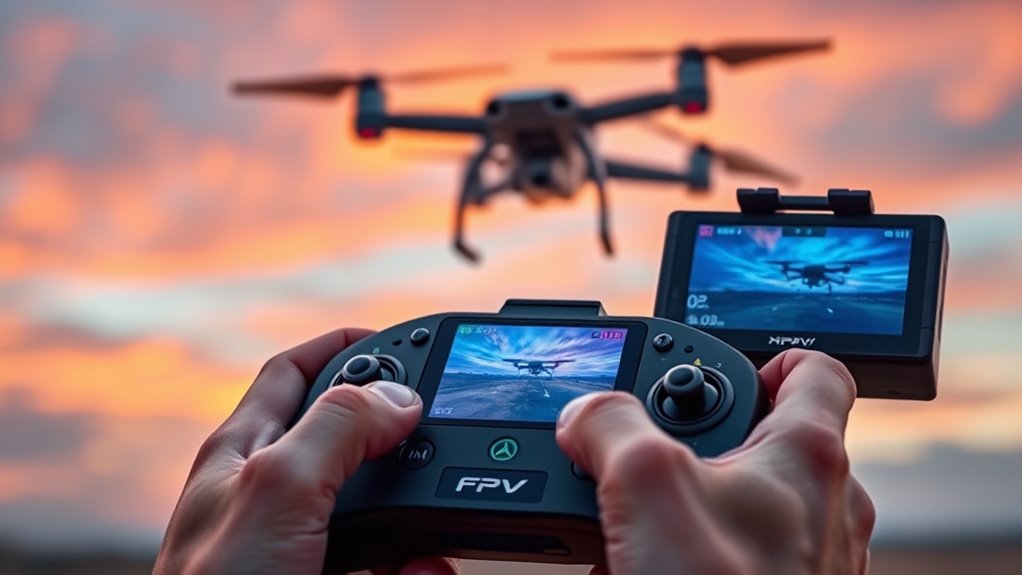
When choosing an FPV system as a beginner, you need to take into account your budget, flying style, and the environments you’ll operate in. If you’re on a tight budget or prioritize quick setup, analog systems offer affordability and simplicity. For high-quality visuals and longer range, digital systems are ideal but come at a higher cost. Consider your flying environment: indoor or obstacle-rich areas favor analog’s reliability, while open fields suit digital’s extended range. Use this table to visualize:
| Budget & Simplicity | Performance & Range |
|---|---|
| Low-cost setup | High-definition visuals |
| Easy to learn | Longer distances |
| Quick to assemble | Advanced features |
Additionally, understanding the sound therapy techniques used in auditory processing disorders can inform choices for equipment that minimizes auditory sensitivities in noisy environments. Recognizing the essential oils for visual comfort can also help create a more relaxed environment during long flying sessions, reducing fatigue and enhancing focus. Incorporating durability and reliability in component selection ensures your system withstands various flying conditions and extends its lifespan. Moreover, being mindful of environmental factors such as weather and terrain can further influence your choice of FPV gear, ensuring safe and consistent operation. Recognizing the famous personalities in various fields can inspire new interest areas and motivate continued learning in FPV and related technologies.
As an affiliate, we earn on qualifying purchases.
Frequently Asked Questions
How Does Latency Impact Fast-Paced Drone Racing?
Latency directly impacts your drone racing by affecting your responsiveness and control. If the video feed delays, you might react too late to obstacles or sudden movements, risking crashes. Low latency, like in analog systems, helps you maintain real-time awareness, giving you an edge in tight races. Higher latency, common in digital systems, can cause lag, making quick maneuvers difficult and reducing your overall precision and competitiveness.
Can I Upgrade My Analog System to Digital Later?
Yes, you can upgrade your analog system to digital later, but it requires some planning. You’ll need new digital-compatible goggles, a digital video transmitter, and compatible receivers. The upgrade isn’t always straightforward, as you might need to replace parts or adapt your setup. Consider your budget and compatibility before switching, and be prepared for a learning curve to get everything working smoothly.
What’s the Best FPV System for Indoor Flying?
For indoor flying, you want a system that offers clarity, reliability, and responsiveness. Choose analog FPV for its low latency, which keeps your controls immediate and precise, perfect for tight spaces. Its affordability makes upgrades easy, and its robust signal handles obstacles well. Digital systems, though offering better image quality, may introduce lag and are pricier. For indoor, analog’s quick response and simple setup make it your best choice.
Are Digital FPV Systems Compatible With All Goggles?
Digital FPV systems aren’t compatible with all goggles. You need to check if your goggles support the specific digital system, as many are designed for particular brands or models. Some digital systems require dedicated goggles or adapters. Before buying, verify compatibility to avoid surprises. If you’re using older or analog goggles, you might need an upgrade or a converter to work with digital systems properly.
How Do Weather Conditions Affect Analog and Digital FPV Performance?
Imagine your FPV system as a ship sailing through stormy seas. Weather conditions like rain, fog, or snow can tarnish both analog and digital signals, making images blurry or choppy. Analog systems, with their lower quality, often struggle more in adverse weather, while digital might temporarily lose connection or lag. In any storm, expect reduced clarity and responsiveness, so fly cautiously and consider weather before setting sail.
Conclusion
Choosing between analog and digital FPV is like selecting your riding style—each offers a unique ride. Analog gives you the raw, gritty feel of the open trail, while digital brings crisp clarity like a smooth highway. As a beginner, weigh the thrill of instant feedback against the promise of sharp visuals. Trust your instincts, embrace the learning curve, and remember—no matter the gear, it’s the passion that truly fuels your flight. So gear up and enjoy the journey ahead.
Halloween Picks
halloween
As an affiliate, we earn on qualifying purchases.