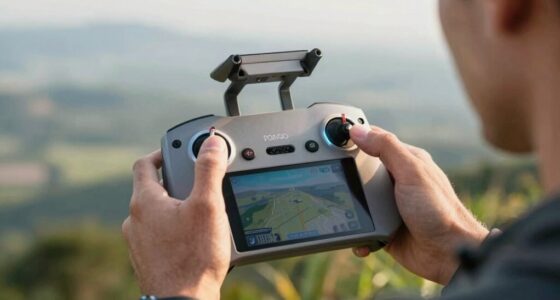
Remote ID means you’ll broadcast your drone’s location, operator details, and flight info in real time, making sure you follow regulations and improve safety. It helps authorities monitor drone traffic and promotes accountability. You need to be aware of what data you share and how to protect your privacy. Staying compliant involves installing the right equipment and choosing approved flying zones. If you stay informed, you’ll better understand how Remote ID impacts your flying experience and what to do next.

Get the latest gadgets delivered free with Prime
- Fast, free delivery on millions of items
- Prime Video, Amazon Music and more included
- Member-only deals all year
Key Takeaways
- Remote ID broadcasts your drone’s location, ID, and operator info in real-time for safety and accountability.
- It helps authorities monitor drone activity and enforce regulations in shared airspace.
- Pilots must ensure Remote ID compliance or operate only in approved zones to avoid penalties.
- Sharing location and operator details raises privacy concerns; digital security is essential.
- Understanding Remote ID requirements is crucial for legal, safe, and transparent drone operations.
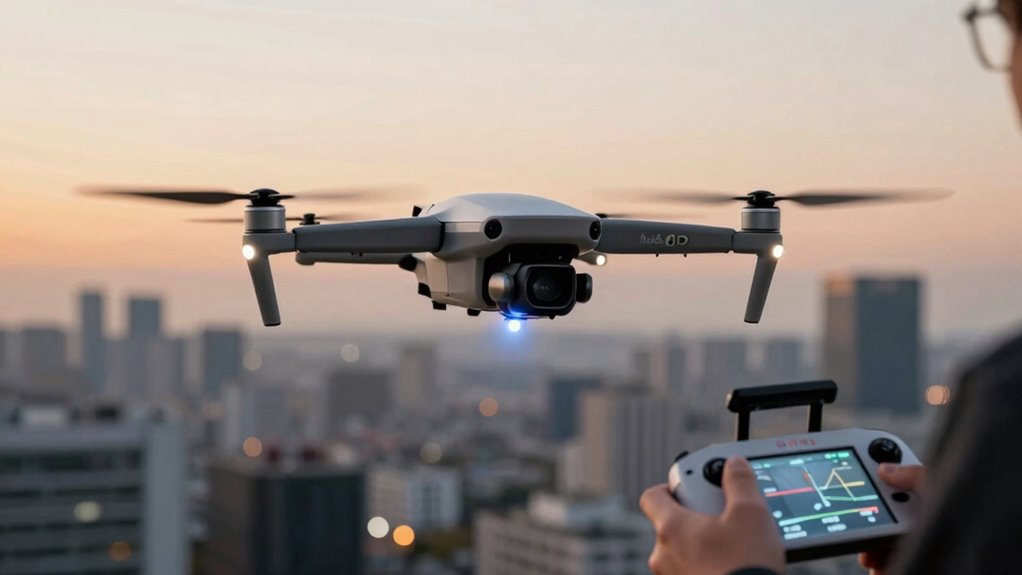
Have you ever wondered how drone pilots are identified during flight? With the rollout of Remote ID, this process is becoming clearer. Remote ID is a system that broadcasts a drone’s location, identification, and operator information in real-time, making it easier for authorities and other flyers to know who is controlling a drone nearby. For everyday drone pilots, understanding what Remote ID means is essential—not just for operating legally, but also for addressing privacy concerns and ensuring regulatory compliance.
Remote ID broadcasts drone location and operator info, enhancing safety and transparency for pilots and authorities alike.
When you fly your drone, Remote ID transmits your identification data, such as your drone’s serial number and location, to nearby receivers or the internet. This transparency helps authorities monitor drone activity, prevent unauthorized flights, and improve safety. However, it also raises privacy concerns. Some pilots worry that broadcasting their location and identification could expose personal information or lead to tracking beyond the scope of the law. While the system is designed to promote safety and accountability, it’s important to be aware of what information is shared and how it might be used. Being aware of digital security strategies can help mitigate some of these privacy risks.
Regulatory compliance is at the heart of Remote ID’s purpose. The FAA and other aviation authorities mandate this technology to bring drones into a regulated airspace environment. As a drone pilot, you’re responsible for making certain your equipment is compliant with these rules, which may include installing compatible Remote ID modules or flying within designated areas that do not require it. Non-compliance could lead to penalties, fines, or even the loss of your flying privileges. It’s essential to stay updated on current regulations and to operate your drone responsibly, making sure your Remote ID system is active and functioning properly. Understanding drone regulations can help you stay compliant and avoid legal issues.
Remote ID also influences the way you plan your flights. You’ll need to think about whether your drone is equipped with Remote ID or if you must fly in approved zones. This system aims to create a safer, more transparent drone environment, but it also means you must be aware of your obligations. Communicating your intentions clearly and adhering to privacy guidelines ensures you’re operating within the legal framework. Additionally, understanding essential tips for cloud server and security strategies can help protect your operational data from unauthorized access. Being aware of the regulations and requirements can help you better prepare for compliant flying practices.
Products Worth Considering

LG UltraGear 27-Inch QHD OLED Gaming Monitor, 240Hz, 0.03ms, G-SYNC Compatible, FreeSync Premium Pro, HDMI 2.1
Logitech MX Mechanical Wireless Illuminated Keyboard, Tactile Quiet, Graphite

Jackery Explorer 300 Portable Power Station, 292Wh
As an affiliate, we earn on qualifying purchases.
Frequently Asked Questions
How Does Remote ID Affect Recreational Drone Flying?
Remote ID affects your recreational drone flying by requiring you to broadcast your location and drone information, which impacts drone privacy. This means your flight activities are more transparent to authorities and the public. It also introduces new flight restrictions, limiting where and when you can fly, especially near airports or sensitive areas. You need to stay compliant to avoid penalties, making responsible flying essential for fun and safe recreational drone use.
Will Remote ID Be Mandatory for All Drone Models?
Remote ID will be mandatory for most drone models, especially those used commercially or flying in controlled airspace. This requirement guarantees remote compliance with regulations and helps authorities identify drones quickly. As drone technology advances, manufacturers are integrating Remote ID features into new models, so you’ll likely see it become standard. If your drone isn’t compliant, you’ll need to upgrade or register your drone to stay within legal guidelines.
How Is Remote ID Different From Traditional Drone Registration?
Remote ID differs from traditional drone registration by transmitting your drone’s location and identification info in real-time, whereas registration simply links your drone to your identity. As a pilot, you might worry about privacy concerns and data security, but Remote ID aims to guarantee safety and accountability. While it shares registration info, Remote ID actively broadcasts data, making privacy and security vital considerations for you.
What Privacy Concerns Are Associated With Remote ID?
Remote ID raises privacy concerns, especially since over 80% of drone pilots worry about privacy breaches. You might fear that your flight data or location could be accessed maliciously, risking your data security. This transparency can unintentionally expose your flight habits or personal info. To stay protected, always stay updated on privacy policies, and consider using secure networks or anonymized data sharing options when operating your drone.
How Can I Disable Remote ID on My Drone?
You generally can’t disable Remote ID on your drone because it’s a legal requirement for most models, especially after firmware updates. To check, go into your drone’s settings menu and look for Remote ID options. Sometimes, updating your drone’s firmware can alter Remote ID settings, but disabling it isn’t usually permitted. Always follow regulations, as tampering with Remote ID could lead to legal issues.
Conclusion
Remote ID is like a beacon guiding your drone flying journey, making sure you’re seen and safe in the skies. As a drone pilot, understanding its meaning helps you stay compliant and confident. Think of it as a friendly lighthouse, shining clarity in navigational waters. Embrace Remote ID, and you’ll navigate the skies with the ease of a bird soaring free, knowing you’re part of a responsible and connected community.