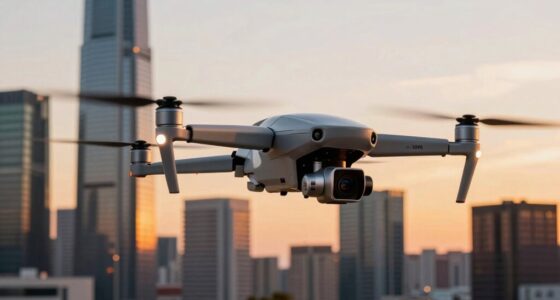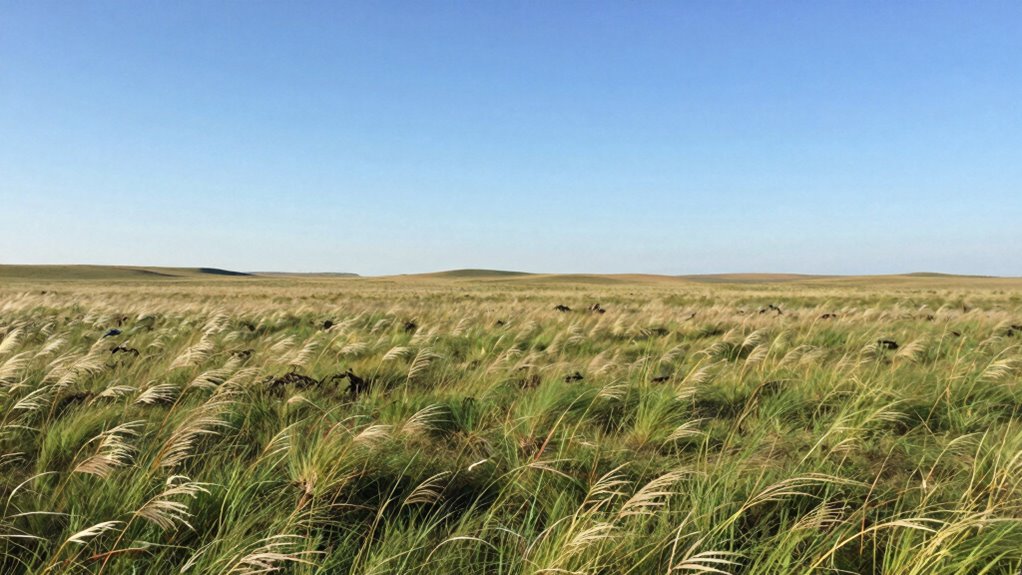

Flying in open fields can deceptively challenge you because the lack of obstacles or landmarks makes it hard to judge altitude, distance, and orientation. Without visual cues, you might feel more confident but easily lose control or drift. Sudden weather changes like gusts or fog can catch you off guard, increasing risks. Staying safe requires understanding these hidden hazards—keep going to uncover tips for safer, confident flying even in open spaces.

Get the latest gadgets delivered free with Prime
- Fast, free delivery on millions of items
- Prime Video, Amazon Music and more included
- Member-only deals all year
Key Takeaways
- Lack of visual landmarks makes maintaining orientation and estimating altitude challenging.
- Open spaces can encourage overconfidence, increasing the risk of pushing drone limits.
- Sudden weather changes, like gusts or wind shear, can destabilize the drone unexpectedly.
- Without obstacles, it’s harder to judge safe distances and prevent flyaways.
- Reduced environmental cues make it difficult to gauge drone position and control effectively.
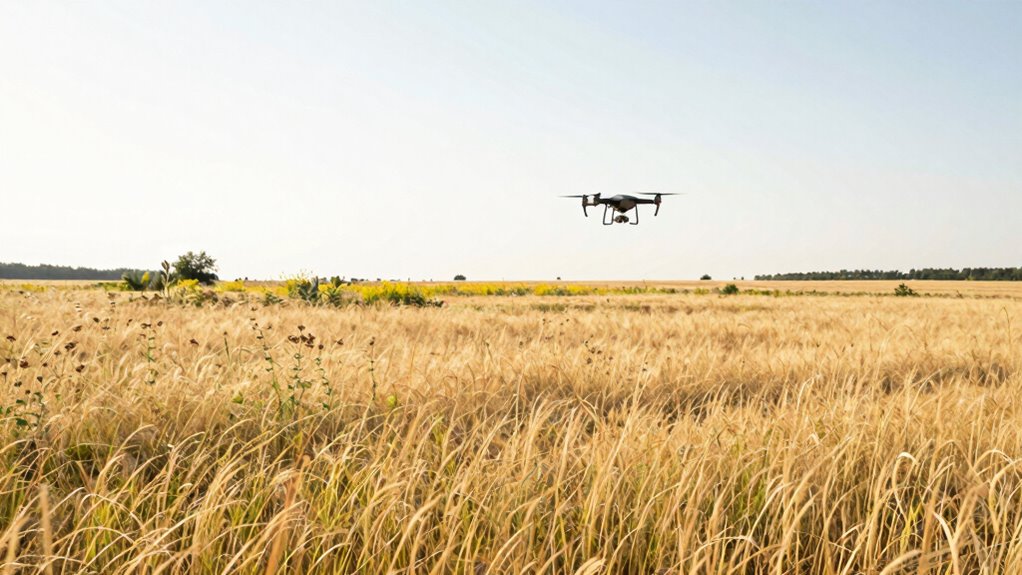
Have you ever tried to fly a drone over an open field and found it surprisingly challenging? It feels straightforward at first—plenty of space, no trees or buildings to dodge. But the truth is, open fields can be deceptively tricky to navigate. One of the biggest concerns you need to keep in mind is drone safety. Without obstacles, it’s easy to assume you’re in the clear, but that can lead to careless mistakes. A sudden gust of wind or an unexpected change in weather conditions can send your drone spiraling out of control or cause it to crash. Weather conditions are a constant factor you can’t ignore, especially in open areas where there’s little to break the wind. Wind can be unpredictable and strong, pushing your drone off course, making it harder to maintain control. Even a slight breeze can cause your drone to drift away from your intended flight path, risking damage or loss. When flying in open fields, you need to be vigilant about these weather conditions and plan your flights during calmer times whenever possible. Additionally, weather impacts more than just wind. Sudden shifts in temperature, humidity, or even rain can affect your drone’s electronics and battery life. Rain, in particular, is a significant hazard, as it can damage sensitive components and compromise drone safety. Clouds and fog can also reduce visibility, making it harder to keep your drone within sight and increasing the risk of collisions or flyaways. Remember, even if the weather seems clear at the start, conditions can change rapidly, so it’s wise to keep an eye on weather updates before and during your flight. Beyond weather, open fields can still pose challenges because of the lack of visual cues. Without trees, buildings, or other landmarks, it can be easier to lose your sense of orientation. This makes it more difficult to judge altitude and distance, which are critical for safe operation. Plus, the absence of obstacles might tempt you to push your drone to its limits, but doing so increases the chances of losing control. Always maintain a safe distance, keep your drone within visual line of sight, and follow drone safety guidelines to prevent accidents. It’s also important to remember that weather variability can significantly influence your flying experience, so staying informed and prepared is essential. Being aware of environmental factors such as weather patterns can help you anticipate potential hazards and adjust your flight plans accordingly. Additionally, understanding environmental influences such as wind shear or sudden gusts can make a difference in maintaining control during flight. To further ensure safe flying, it’s helpful to familiarize yourself with the effects of weather on drone performance and to regularly check for updates on local weather conditions. Recognizing the impact of environmental conditions can promote safer flying habits and help prevent mishaps. In the end, flying over open fields requires respect for the environment and an understanding of weather conditions. It’s not just about having space; it’s about adapting your flying habits to the conditions around you. With proper caution, awareness, and planning, you can navigate open fields safely and enjoy the freedom of flight without risking damage or losing your drone altogether.
As an affiliate, we earn on qualifying purchases.
Frequently Asked Questions
How Do Weather Conditions Specifically Affect Flying in Open Fields?
Weather conditions directly impact your flight in open fields. Wind turbulence can cause unpredictable movements, making your flying experience challenging. Sudden gusts catch you off guard, destabilizing your aircraft and risking a crash. You need to stay alert and adjust your controls accordingly. Always check the weather forecast before flying, and be prepared for changing conditions, especially wind patterns, to guarantee safety and successful navigation.
What Safety Equipment Is Recommended for Flying in Open Fields?
You should wear safety goggles and carry a first aid kit when flying in open fields. Regular drone maintenance guarantees your equipment stays reliable, reducing risks. To protect your drone’s battery longevity, avoid overcharging and extreme temperatures, which can cause malfunctions mid-flight. Additionally, keeping a clear line of sight and maintaining a safe distance from people helps prevent accidents, making your flight safer and more enjoyable.
Are There Legal Restrictions for Flying Drones in Open Fields?
You need to navigate a legal maze when flying drones in open fields. Laws often restrict drone flights to protect wildlife and respect property rights, so flying without checking local regulations can lead to trouble. Wildlife disturbances are a serious concern, and property rights vary by location. Always research your specific area, obtain necessary permits, and respect boundaries—think of it as respecting the invisible lines that keep the skies safe for everyone.
How Can Pilots Improve Visibility During Low-Light Conditions?
To improve visibility during low-light conditions, you can use night vision or light enhancement devices. These tools help you see clearly in darkness, making it easier to navigate and avoid obstacles. Keep your drone’s lights on and bright to increase visibility for yourself and others. Additionally, flying in well-lit areas or during dawn and dusk can enhance your overall visibility, ensuring safer and more confident flights in challenging lighting.
What Are Common Signs of Equipment Malfunction in Open Field Flying?
You might notice sudden power drops or erratic controls, like a car sputtering unexpectedly—these are signs of equipment malfunction. Common issues include battery problems, causing unexpected shutdowns, and signal interference, leading to loss of control or navigation errors. Always check your battery health before flight, and be aware of possible interference sources like radio towers. Staying vigilant helps you avoid surprises in open fields.
drone wind resistance propellers
As an affiliate, we earn on qualifying purchases.
As an affiliate, we earn on qualifying purchases.
Conclusion
So, even in open fields, don’t deceive yourself—delicate drones can easily drift into danger. Stay sharp, stay safe, and stay sensing the subtle shifts of the sky. With awareness and a bit of caution, you’ll conquer the challenges, avoiding the deceptive ease of the open expanse. Remember, mastering your machine means managing both the magnificence and the mischief of open fields, turning treacherous terrain into your trusted territory.
As an affiliate, we earn on qualifying purchases.
As an affiliate, we earn on qualifying purchases.
Columbus Day / Indigenous Peoples' Day Picks
long weekend sales
As an affiliate, we earn on qualifying purchases.