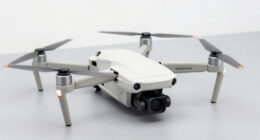

As a beginner, practicing landings more than takeoffs is crucial because landings directly impact safety and control during essential flight phases. Repetition helps you develop muscle memory, refine your skills, and build confidence in handling different conditions. It also enhances your situational awareness and ability to adapt quickly, which are indispensable for safe flying. Focusing on landings prepares you for real-world challenges, so keep exploring how consistent practice can elevate your flying proficiency.
Key Takeaways
- Landings are more complex and critical, requiring refined control and judgment that benefit from repeated practice.
- Practicing landings builds muscle memory and confidence for handling various landing conditions.
- Mastering landings enhances overall aircraft handling skills, positively impacting takeoff performance as well.
- Focused landing practice improves situational awareness and decision-making during the final flight phase.
- Repeated landings develop a safety-first mindset, critical for managing unexpected situations during actual flights.

When you’re learning to fly, it might seem natural to focus on taking off, but practicing landings is just as important—and often more beneficial for building your skills. Landings are a critical phase of flight that directly impact aviation safety, making them an essential area for you to master early on. While takeoffs are exciting and give you that initial thrill, landings require a precise combination of control, judgment, and technique. Perfecting your landings helps you develop a keen sense of aircraft handling, which translates into greater overall pilot confidence. When you’re comfortable executing smooth, accurate landings, you naturally become a safer pilot because you’re better prepared for unexpected situations, such as sudden changes in wind or visibility.
Focusing on landings also means you’re honing your ability to manage the aircraft during a complex and dynamic phase of flight. This not only boosts your aviation safety but also builds mental resilience and situational awareness. You’ll learn to interpret the aircraft’s responses more accurately, adjust your approach on the fly, and make timely decisions. These skills, once ingrained, give you a solid foundation that supports safe flying in all conditions. When you practice landings more frequently, you gain a sense of mastery over the aircraft’s descent, which minimizes the chances of mistakes or surprises during real-world scenarios. Additionally, consistent practice of landing techniques can help you develop muscle memory, making your responses more instinctive and reliable. Developing a comprehensive understanding of aircraft behavior is equally important for safe and effective landings.
Practicing landings enhances your ability to manage the aircraft, boosting safety, resilience, and situational awareness.
In addition, dedicating time to landings helps you understand the importance of consistency. Whether you’re landing on a short grass strip or a busy commercial runway, the core techniques remain the same. Repetition helps you develop muscle memory, so your actions become automatic. As a result, you’ll feel more confident in your ability to handle different landing environments, further enhancing your pilot confidence and reducing anxiety during cross-country flights. This steady improvement in your skills reinforces your sense of control, making you less prone to hesitation or panic in critical moments. Building a solid skill foundation through focused practice ultimately leads to a more competent and prepared pilot. Moreover, practicing landings contributes to developing a refined touch, which is essential for smooth and controlled approaches.
Ultimately, practicing landings more than takeoffs emphasizes an all-encompassing approach to flying. While takeoffs are relatively straightforward once you understand the basics, landings challenge you to apply all your skills in one complex maneuver. This focus on landings not only improves your technical proficiency but also fosters a safety-first mindset. When you prioritize mastering landings, you’re investing in your development as a safer, more confident pilot, ready to handle anything that comes your way during your flying journey.

HEANUJJ RC Helicopter Landing Training Kit Featuring Strong Carbon Fiber Rods and Protective Sponge Balls (Blue)
Lightweight and Durable Design: This blue training gear kit combines resilient carbon fiber with cushioned sponge components, offering…
As an affiliate, we earn on qualifying purchases.
As an affiliate, we earn on qualifying purchases.
Frequently Asked Questions
How Many Landings Should a Beginner Aim for per Session?
You should aim for about 10 to 15 landings per session to build confidence and skill. Focus on practicing crosswind techniques to handle different wind conditions and review emergency procedures regularly. Consistent landings help you develop better control, especially in challenging situations like gusty winds or crosswinds. Don’t rush; quality and safety matter most. Gradually, you’ll become more comfortable and proficient with each landing you practice.
What Common Mistakes Do Beginners Make During Landings?
You often make common mistakes during landings, like neglecting crosswind techniques or rushing approach stabilization. To improve, focus on maintaining proper control during crosswind landings and guarantee your approach stays steady and stabilized. Avoid abrupt inputs, keep your speed consistent, and stay alert to wind conditions. Practicing these skills helps you land smoothly, builds confidence, and reduces the risk of incidents caused by poor technique or misjudged approach.
Is It Safer to Practice Landings on Grass or Paved Runways?
Studies show that about 60% of pilot accidents happen during landing, so safety’s essential. You might find grass runways safer for beginners because they offer more forgiving landings, reducing the risk of damage. However, paved runways provide advantages like consistent surface conditions and smoother landings, making them ideal for practicing precision. Ultimately, choose a well-maintained, suitable surface, and always follow safety guidelines to build confidence and skill.
How Do Weather Conditions Affect Landing Practice?
Weather conditions considerably impact your landing practice. Wind turbulence can make controlling your approach tricky, causing sudden shifts that challenge your skills. Visibility challenges, like fog or heavy rain, reduce your ability to judge distances and spot runway hazards. You should adjust your approach, maintain extra vigilance, and possibly delay practicing in poor weather. Always prioritize safety and consult with your instructor before flying in conditions that could compromise your ability to land safely.
When Should a Student Progress From Basic to More Advanced Landings?
Like a wise pilot once said, “It’s not just about the speed, but the finesse.” You should progress to more advanced landings once you master basic techniques and consistently hit your landing accuracy. When your confidence grows, and you handle crosswinds or flares smoothly, it’s time to challenge yourself with these new skills. Always make sure your instructor approves before moving on to guarantee safety and proper technique.

2PCS RC Airplane Landing Gear Front Wheel Steering Fixed Mount with Steering Arm for RC Plane Aircraft DIY Model Plane Fixed Wing Accessories (4.1mm Hole 25x32x16mm)
Color:White
As an affiliate, we earn on qualifying purchases.
As an affiliate, we earn on qualifying purchases.
Conclusion
Remember, mastering landings is like tending a delicate garden—you nurture patience and precision, shaping your flying roots deep and strong. Takeoffs are the sprouting leaves, exciting but fleeting; landings are the sturdy trunk that holds everything together. By practicing landings more, you build a resilient foundation that carries you through any flight’s journey. So, keep focusing on your landings, for they’re the steady heartbeat of a confident pilot’s flight path.

NUOBESTY Landing Training Gear Landing Training Kit RC Helicopter Sponge Balls for RC Helicopter (Blue)
lightweight sponge balls with strong carbon fiber training rods. floating holder
As an affiliate, we earn on qualifying purchases.
As an affiliate, we earn on qualifying purchases.

Pilot Gifts Pilots Airplane Keychain Gifts for Flight Attendant Aviation Lovers Cool Pilot Gift for Men Women Airplane Accessories Gifts for Pilots in Training Birthday Gift for Flight Attendants
Aviation Gifts For Men Women: This pilot keychain features a detailed airplane charm and is engraved with the…
As an affiliate, we earn on qualifying purchases.
As an affiliate, we earn on qualifying purchases.