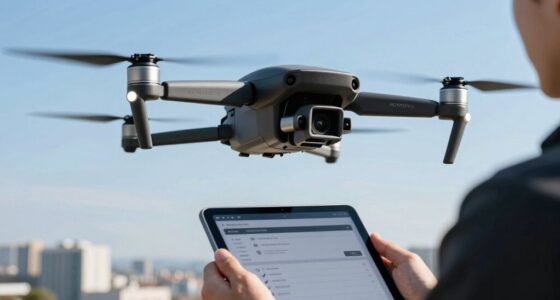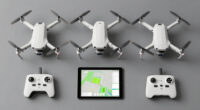
To build confidence before your first drone shoot, start by thoroughly understanding local regulations, airspace classifications, and no-fly zones to guarantee legal compliance. Conduct detailed equipment inspections and maintain your gear to prevent malfunctions, giving you peace of mind. Practice flying in open areas to improve your skills and develop a familiarity with your drone’s responses. Staying prepared and knowledgeable will boost your confidence, and exploring further tips will help you master the process even better.
Key Takeaways
- Conduct thorough equipment inspections and practice flight maneuvers to ensure familiarity and reliability.
- Study local regulations and airspace rules to feel prepared and compliant.
- Perform test flights in safe, open areas to build skill and confidence before the actual shoot.
- Prepare backup batteries and spare parts to reduce worries about technical issues during the shoot.
- Develop a safety and emergency protocol to handle unforeseen situations calmly and effectively.
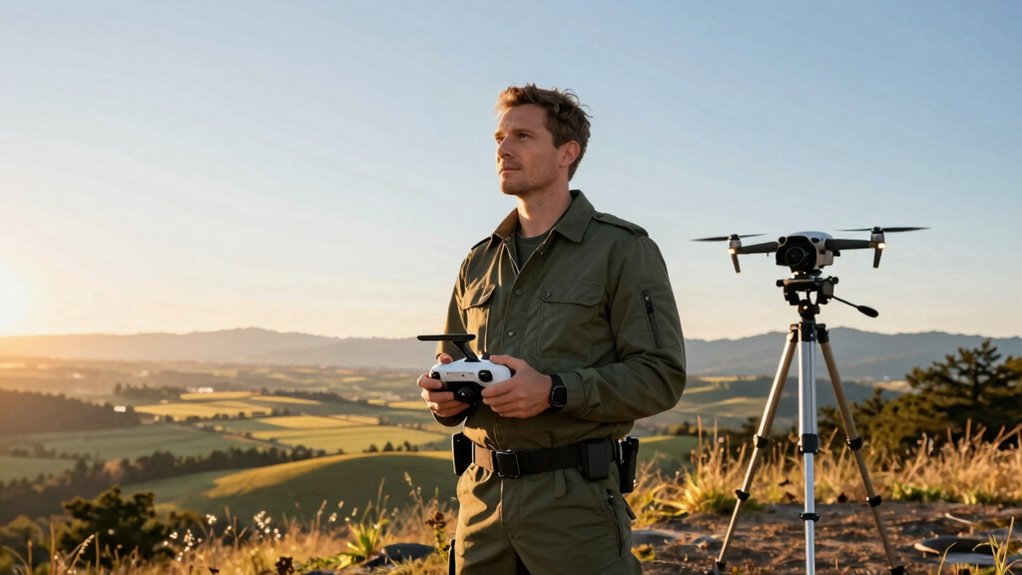
Starting your first real drone shoot can feel intimidating, but with the right preparation, you can approach it with confidence. The key is to know what’s expected and to be well-equipped to handle the task. The more familiar you are with aviation regulations, the more smoothly your operations will go. First, familiarize yourself with the relevant aviation regulations in your area. These rules govern where and how you can operate your drone safely and legally. Understanding these regulations helps you avoid fines, penalties, or worse—accidents. Take the time to research local laws, no-fly zones, altitude limits, and any necessary permits. This knowledge not only keeps you compliant but also gives you peace of mind, allowing you to focus on flying skillfully instead of worrying about legal issues. Additionally, being aware of airspace classifications can help you plan your flight paths more effectively and avoid unexpected restrictions. Familiarity with regulatory compliance can further streamline your operations and prevent inadvertent violations.
Next, pay close attention to equipment maintenance. Your drone is your primary tool, and its performance directly impacts the quality of your footage and your safety. Before your shoot, thoroughly inspect your drone for any signs of wear or damage. Check the propellers, batteries, camera, and other components. Make sure the batteries are fully charged and that all firmware is up to date. Proper maintenance reduces the risk of malfunctions mid-flight, which can be stressful or even dangerous. Carry backup batteries and essential spare parts if possible, so you’re prepared for unexpected issues. Regular equipment checks build your confidence because you know your gear is reliable and ready to perform. Additionally, understanding the aerospace regulations relevant to drone operation can help you navigate legal requirements more smoothly and avoid penalties. Being familiar with safety protocols also ensures you’re ready to handle unforeseen situations calmly and confidently.
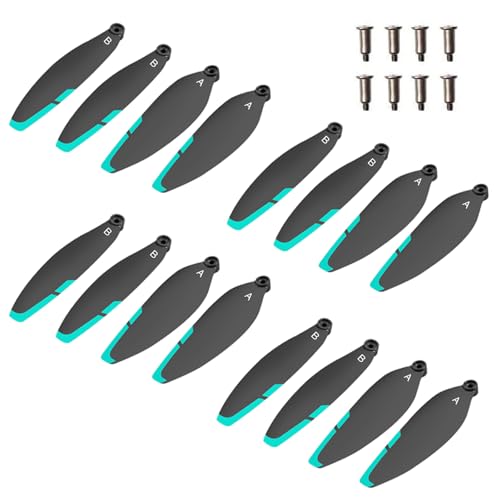
16PCS Foldable Drone Propellers Replace Parts for S159/HK99 Drone Spare Part, 2.75-Inch Universal Replacement Blades,Low-Noise and Quick-Release Blades Props Wings Accessories
- Compatible with S159/HK99 drones: Ensures secure fit and stable flight
- Universal 2.75-inch blades: Fits most FPV drones and quadcopters
- Aerodynamic shape: Reduces drag and improves stability
As an affiliate, we earn on qualifying purchases.
As an affiliate, we earn on qualifying purchases.
Frequently Asked Questions
What Legal Permits Are Needed for Drone Photography?
You need to check drone regulations and obtain flight permissions before shooting. Depending on your location, you might need to register your drone with authorities, especially if it weighs over a certain limit. Many countries require you to get specific permits for commercial drone photography or to fly in restricted areas. Always review local rules, verify you’re compliant, and secure any necessary permits to avoid fines or legal issues.
How Do I Handle Equipment Malfunctions During a Shoot?
Think of equipment malfunctions as storms you must navigate. When it happens, stay calm and first follow your pre-flight checklist to troubleshoot. If issues persist, activate your emergency procedures, like landing safely or switching to backup gear. Practice these steps beforehand so you’re ready to handle surprises smoothly. Staying composed guarantees you can keep control and turn a potential disaster into a learning experience, boosting your confidence for future shoots.
What Insurance Coverage Is Recommended for Drone Pilots?
You should get thorough drone insurance that covers damage, theft, and liability. Regular drone maintenance helps prevent accidents, but if an issue occurs, you’ll want insurance that simplifies claims. Look for policies specifically designed for drone pilots, ensuring you’re protected during shoots. Proper coverage gives you confidence, knowing you’re financially safeguarded against potential mishaps, and makes handling insurance claims smoother if an incident arises.
How Do I Communicate Effectively With Clients?
Think of yourself as a skilled diplomat, like Churchill during tough negotiations. To communicate effectively with clients, focus on clear communication and understanding their expectations. Listen actively, ask questions, and confirm details to guarantee everyone’s on the same page. Be honest about what’s possible and set realistic timelines. This approach builds trust, minimizes misunderstandings, and keeps the project running smoothly, leaving your clients confident in your professionalism.
What Are Common Mistakes to Avoid During My First Shoot?
During your first shoot, avoid neglecting your technical skills by rushing or skipping drone pre-flight checks, which can lead to errors. Don’t forget to communicate clearly with your client about expectations and shot details, preventing misunderstandings. Also, steer clear of overcomplicating shots—focus on mastering basic techniques first. Staying calm, maintaining good communication, and thoroughly preparing will help you avoid common mistakes and boost your confidence.
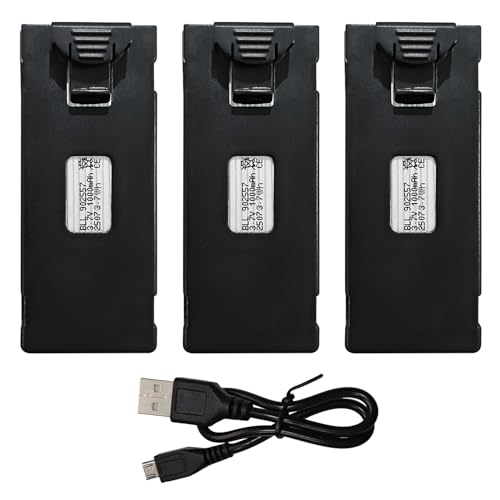
sea jump 3PCS
- Compatibility: Fits various RC drone models
- High Performance: High capacity, lightweight, low resistance
- Safety Features: Built-in protection mechanism
As an affiliate, we earn on qualifying purchases.
As an affiliate, we earn on qualifying purchases.
Conclusion
Remember, your first drone shoot is like planting a seed—nurture it with preparation and patience. As you take flight, let your confidence blossom like a sunrise, illuminating the sky with your newfound skills. Every wobble and stumble is just a gust of wind guiding you to steadier ground. Trust yourself, embrace the journey, and soon you’ll be soaring high, capturing breathtaking views with the grace of a bird in flight. Your sky is waiting—go paint it with confidence.

8Pcs Propellers Replacement for DJI FPV – Lightweight Drone Accessories
- Compatibility: Fits DJI FPV quadcopter
- Noise Reduction: Low noise, smooth flight
- Easy Installation: Simple to install
As an affiliate, we earn on qualifying purchases.
As an affiliate, we earn on qualifying purchases.

Police Drone & Pilot Detection Kit– Handheld Drone Detection & Tracking Tool | Real-Time Alerts for Law Enforcement, Event Security & Emergency Response | Portable Airspace Awareness Device
- Real-Time Drone Detection: Detects drones via remote ID signals instantly
- Portable & Compact Design: Handheld, lightweight, and easy to carry
- Immediate Threat Alerts: Provides instant notifications for quick response
As an affiliate, we earn on qualifying purchases.
As an affiliate, we earn on qualifying purchases.