If you only shoot wide landscapes, you miss out on the rich details that make urban scenes compelling. You overlook textures, architectural features, and human elements that add depth and storytelling. Focusing solely on broad vistas can make your footage feel generic and lack emotional impact. By exploring different angles and close-ups, you can showcase a place’s personality and hidden stories. Keep going, and you’ll discover how to gain access to even more storytelling potential in your drone footage.
Key Takeaways
- They overlook urban details, textures, and architectural features that add depth to storytelling.
- They miss capturing human activity and intimate scenes that convey local culture and daily life.
- They fail to utilize varied angles and perspectives, reducing visual interest and narrative complexity.
- They neglect close-up shots that highlight textures, lines, and intricate details of city elements.
- They miss opportunities to create layered, dynamic visuals that engage viewers emotionally and contextually.
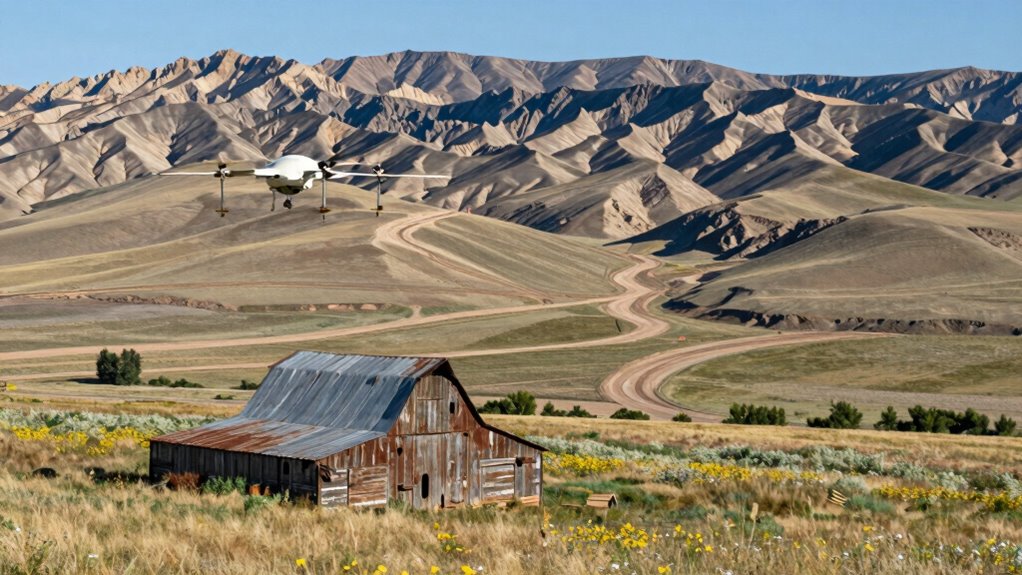
While mastering the technical skills of flying a drone is essential, many pilots overlook the subtle details that can make or break their footage and safety. When you focus solely on capturing wide landscapes, you miss out on the richness of urban perspectives and the power of aerial storytelling. Wide shots are beautiful, but they often lack the context and detail that give your footage depth and meaning. By only shooting broad vistas, you risk creating generic content that blends into the crowd rather than standing out with a compelling narrative.
Urban environments offer a treasure trove of visual opportunities that can elevate your drone videos. Skyscrapers, alleyways, bridges, and intricate cityscapes provide textures and lines that draw viewers in. These details can tell stories of human ingenuity, history, and everyday life, turning a simple flight into a narrative journey. When you shift your focus from grand landscapes to urban scenes, you tap into a different kind of storytelling—one that highlights the pulse and personality of a place. This approach not only makes your footage more engaging but also demonstrates your ability to see beyond the obvious.
Urban scenes reveal the soul of a place through textures, lines, and stories waiting to be uncovered.
Aerial storytelling isn’t just about capturing what’s there; it’s about guiding your audience’s eye and emotion through your shots. When you only shoot wide landscapes, you often miss opportunities for close-up shots, interesting angles, and dynamic compositions that add layers to your story. Think about framing a busy street scene, focusing on the motion of people, or capturing architectural details that reveal the character of a location. These elements create a narrative flow that draws viewers in and keeps their interest. It’s about storytelling with perspective—using your drone to explore different viewpoints that reveal the story behind the scene.
You also overlook the importance of context when you stick to wide shots. Urban perspectives can showcase how different elements relate to each other, creating a sense of place and atmosphere. By zooming in or focusing on specific features, you add a sense of intimacy and authenticity to your footage. This not only enriches your storytelling but also enhances safety by allowing you to better understand your surroundings and avoid hazards. Additionally, understanding the capabilities of 3D scanning and printing can help you plan better shots and create more immersive content. Recognizing how advanced imaging techniques can be integrated into your workflow enables you to deliver more detailed and engaging narratives. Incorporating a variety of shot types broadens your storytelling toolkit and makes your work stand out in a crowded space. Ultimately, diversifying your shots by including urban details and thoughtful compositions transforms your drone footage from mere visuals to compelling narratives that resonate with viewers.
urban drone camera lens filters
As an affiliate, we earn on qualifying purchases.
As an affiliate, we earn on qualifying purchases.
Frequently Asked Questions
How Can Drone Pilots Improve Their Composition Skills?
To improve your composition skills, focus on creative framing to add depth and interest to your shots. Experiment with different angles and perspectives, avoiding always shooting wide landscapes. Pay attention to color contrast; it makes your images pop and guides viewers’ eyes. Practice analyzing scenes critically, and don’t be afraid to break traditional rules. These techniques help you develop a unique style and elevate your drone photography beyond basic wide shots.
What Are the Best Techniques for Capturing Detailed Close-Up Shots?
To capture detailed close-up shots, you should focus on aerial focus by adjusting your camera’s settings for sharp, crisp images. Use a macro lens if possible to enhance detail and increase depth enhancement by choosing a smaller aperture, which creates a pleasing background blur. Get close to your subject, maintain steady control, and experiment with different angles to highlight textures and intricate features effectively.
How Do Lighting Conditions Affect Drone Photography?
Lighting conditions greatly influence your drone photography. During golden hour, you’ll find warm, soft light that enhances colors and textures, making your shots stand out. Shadows become more dramatic and interesting through shadow play, adding depth and dimension. Avoid harsh midday sun, which can cause overexposure and flat images. By timing your flights around golden hour and paying attention to shadows, you’ll capture more compelling, visually striking photos.
What Post-Processing Tips Enhance Drone Aerial Images?
Imagine you’re a digital da Vinci—your drone shots can become masterpieces. To enhance your aerial images, focus on color grading to boost vibrancy and mood, and use noise reduction to clarify details, especially in low-light conditions. These post-processing tips help transform flat captures into striking visuals, allowing your unique perspective to shine. Don’t forget, a little editing magic can make your drone photography truly stand out.
How Can Pilots Safely Navigate in Challenging Environments?
You can navigate safely in challenging environments by maintaining obstacle awareness at all times, constantly scanning for trees, wires, or structures. Always check weather considerations before flying—strong winds, rain, or fog can impair your drone’s control. Use visual line-of-sight whenever possible and plan your route carefully. Staying alert and adaptable helps you avoid hazards, ensuring a safe flight even in tricky conditions.
drone macro lens for city details
As an affiliate, we earn on qualifying purchases.
As an affiliate, we earn on qualifying purchases.
Conclusion
So, while wide landscapes are stunning, don’t forget to look closer—you might be missing the details that truly tell a story. Sometimes, focusing only on the big picture can make you overlook the small but significant moments that give your footage depth and meaning. Remember, the devil’s in the details, and capturing those can turn good shots into unforgettable ones. Keep your eyes open, and don’t let the big picture overshadow the finer points.
drone gimbal stabilizer for close-up shots
As an affiliate, we earn on qualifying purchases.
As an affiliate, we earn on qualifying purchases.
drone accessories for capturing architectural details
As an affiliate, we earn on qualifying purchases.
As an affiliate, we earn on qualifying purchases.