
Repeating the same flight path helps you become more familiar with weather patterns, air traffic flow, and potential delays, making you more efficient and safer. It allows you to fine-tune your route, saving time and fuel. Familiarity reduces your stress and fatigue, helping you stay alert and confident. Plus, it improves communication with air traffic control and boosts crew coordination. Keep exploring to uncover more ways routine routes can give you a strategic advantage in aviation.

Get the latest gadgets delivered free with Prime
- Fast, free delivery on millions of items
- Prime Video, Amazon Music and more included
- Member-only deals all year
Key Takeaways
- Repeating routes enhances situational awareness, enabling quicker responses to deviations or unexpected conditions.
- Consistent flight paths improve crew familiarity, reducing errors and increasing operational safety.
- Routine flying optimizes fuel efficiency and time management through refined route adjustments.
- Familiar routes streamline training, onboarding, and crew coordination, boosting overall efficiency.
- Repetition builds confidence and reduces pilot fatigue, supporting safer and more reliable flights.
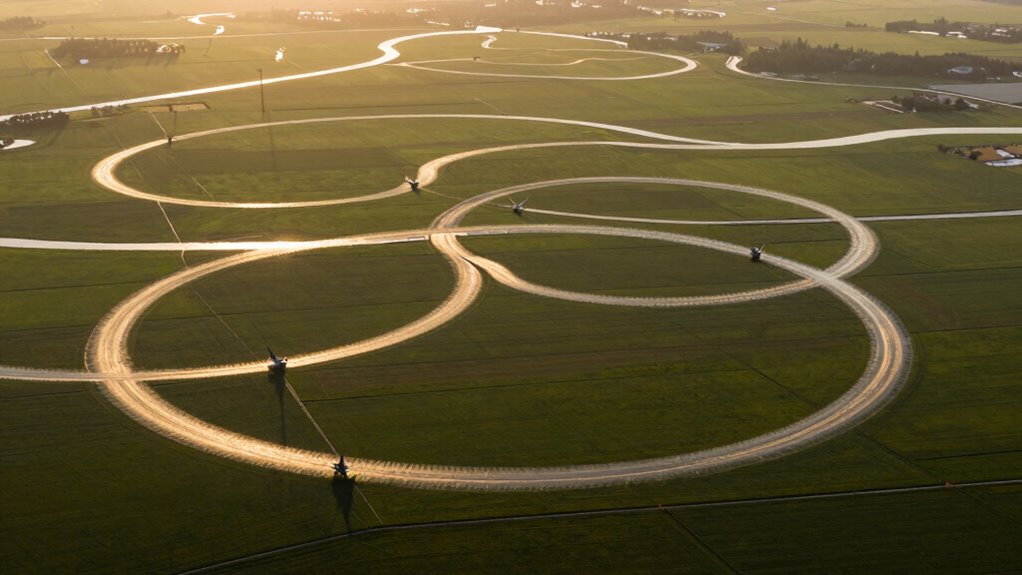
Repetition often gets a bad rap, but when it comes to flying the same route repeatedly, it can reveal unexpected benefits. As a pilot, you might think that flying the same path day after day would lead to boredom or complacency, but in reality, it offers opportunities for significant improvements. One of the biggest advantages is better route optimization. When you fly the same route regularly, you gain a nuanced understanding of prevailing weather patterns, air traffic flow, and potential delays. This familiarity allows you to fine-tune your flight plans, selecting the most efficient altitudes and speeds. Over time, you can identify small adjustments that shave minutes off your flight time and conserve fuel, which benefits your airline’s bottom line and reduces environmental impact.
Flying the same route enhances efficiency, weather insights, and fuel savings through consistent, strategic adjustments.
However, there’s another critical aspect often overlooked: pilot fatigue. Repeating the same route helps you develop muscle memory and familiarity with specific procedures, which can reduce cognitive load and stress during each flight. When you’re confident in your route and procedures, you’re less likely to become overwhelmed or make errors caused by fatigue. This consistency allows you to anticipate potential challenges, such as turbulence or airspace restrictions, and prepare accordingly. As a result, you’re better equipped to manage your energy levels and avoid the physical and mental exhaustion associated with unfamiliar or complex routes. Incorporating route familiarity into your routine can also lead to better communication with air traffic control, as you become more attuned to their expectations and procedures, further enhancing safety.
Moreover, flying the same path repeatedly fosters a sense of routine that can actually enhance safety. You become more attuned to the nuances of your typical flight environment, which improves your situational awareness. This heightened awareness makes it easier to recognize deviations or unexpected changes early, enabling quicker responses. It also contributes to better communication with air traffic control and ground crews, as you become familiar with their procedures and expectations. All these factors combined help mitigate pilot fatigue, keeping you alert and focused throughout your shift. Additionally, route consistency can streamline training and onboarding processes for new crew members. They can learn the specific challenges and quirks of the route more rapidly, promoting team cohesion and safety. Plus, airline operations tend to be more predictable, helping dispatchers and schedulers optimize crew rotations and rest periods, further reducing fatigue risks.
In essence, flying the same route repeatedly isn’t just about routine; it’s about leveraging familiarity to optimize performance, enhance safety, and combat pilot fatigue. When you recognize these benefits, you’ll see that repetition isn’t a flaw but a strategic advantage in aviation.
As an affiliate, we earn on qualifying purchases.
Frequently Asked Questions
How Does Repetition Improve Pilot Safety Skills?
Repetition enhances your pilot skill development by building muscle memory and boosting navigation accuracy. When you repeatedly practice the same flight path, you become more confident in your ability to manage controls and interpret instruments. This consistent practice sharpens your decision-making and response times, reducing errors during actual flights. Ultimately, it helps you develop a precise, automatic response system that improves safety and guarantees smoother navigation under various conditions.
Can Repeated Routes Reduce Flight Planning Time?
Repeated routes can indeed reduce flight planning time. When you fly the same path regularly, your familiarity with air traffic control procedures and navigational accuracy improves, allowing you to plan faster and more efficiently. This consistency helps you anticipate air traffic control instructions, streamline communication, and minimize errors. Over time, your confidence grows, making pre-flight preparations quicker and smoother, ultimately saving valuable time and reducing workload during each flight.
What Environmental Benefits Come From Consistent Flight Paths?
Sticking to consistent flight paths helps reduce environmental impacts by lowering noise pollution, which benefits nearby communities and wildlife. It also aids climate adaptation efforts by optimizing routes for fuel efficiency, decreasing greenhouse gas emissions. When airlines plan regular routes, they can better monitor and improve environmental performance, contributing to sustainable aviation practices. Overall, this consistency supports both climate goals and community well-being.
How Does Route Repetition Impact Airline Fuel Efficiency?
Repetition of the same flight route improves your airline’s fuel efficiency by enhancing navigation accuracy, allowing for more precise fuel management. It also helps with weather adaptation, as pilots become familiar with typical conditions along the route and can plan better for turbulence or storms. This consistency reduces unnecessary deviations, saves fuel, and minimizes emissions, ultimately making your flights more cost-effective and environmentally friendly.
Are There Any Drawbacks to Flying the Same Path Repeatedly?
Ever wonder if flying the same path repeatedly has drawbacks? It can lead to navigation inaccuracies as pilots become less vigilant or rely too much on routine, risking minor errors. Additionally, crew fatigue may increase since repetitive routes can become monotonous, lowering alertness. While efficiency improves, these factors could compromise safety and crew well-being, making it essential to balance routine with careful monitoring and rest periods.
As an affiliate, we earn on qualifying purchases.
Conclusion
By repeating the same flight path, you build familiarity, refine your skills, and uncover hidden efficiencies. Imagine a drone operator who flies the same route daily; over time, they notice subtle obstacles and optimize their path, saving time and energy. Similarly, in your own pursuits, sticking to a routine can reveal insights you’d miss otherwise, turning repetition into a powerful tool for mastery. Embrace the cycle, and watch your competence soar.
As an affiliate, we earn on qualifying purchases.
flight route optimization software
As an affiliate, we earn on qualifying purchases.
As an affiliate, we earn on qualifying purchases.
Columbus Day / Indigenous Peoples' Day Picks
long weekend sales
As an affiliate, we earn on qualifying purchases.