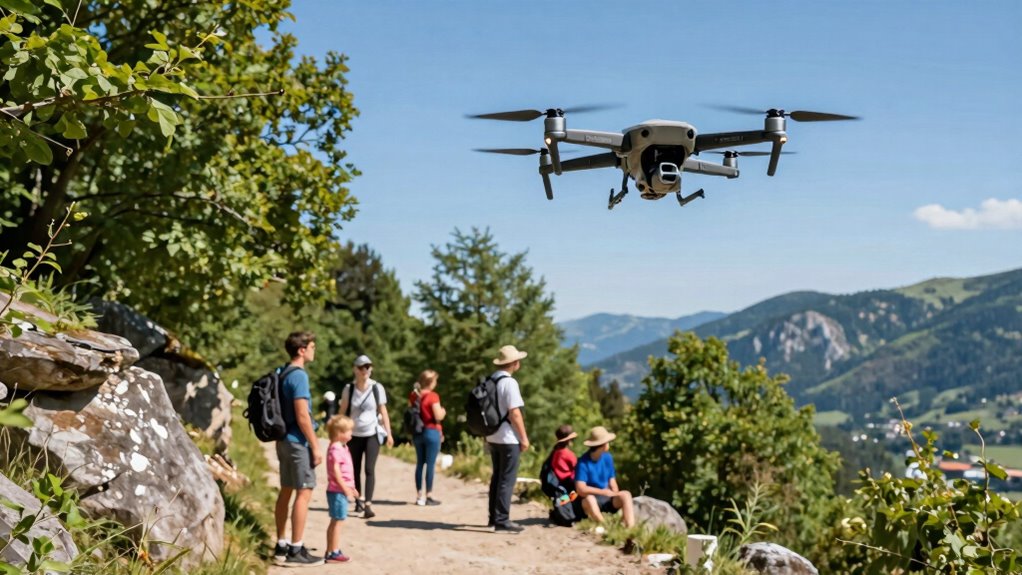

As a responsible drone pilot, you prioritize safety by maintaining a safe altitude and keeping a clear line of sight, avoiding flying over crowds or close to individuals. Respect privacy by seeking permission and focusing on wide shots without zooming in on faces. Follow local regulations and restrictions to stay compliant. Be considerate by minimizing noise and disturbances, and communicate clearly if someone expresses concern. To learn more about responsible flying practices, keep exploring these essential tips.
Open a free Amazon Business account
Business pricing, bulk buying and tax-exempt orders.
As an affiliate, we earn on qualifying purchases.
Key Takeaways
- Maintain a safe altitude and keep a clear line of sight to avoid disturbing or endangering people.
- Seek permission and avoid capturing identifiable faces or private property without consent.
- Follow local regulations and restrictions to ensure legal and safe drone operations.
- Minimize noise and avoid sudden movements to prevent startling or alarming others.
- Communicate with the public, explaining your purpose and respecting their comfort and privacy.

As drone technology becomes more popular, responsible pilots must prioritize safety when flying near hikers and crowds. Your goal is to enjoy capturing stunning footage or gathering data without risking anyone’s well-being or violating their privacy. To do this, you need to stay vigilant about flight safety and be mindful of privacy concerns. When you’re flying in areas where people are present, keep your drone at a secure altitude and maintain a clear line of sight. This helps prevent accidents and ensures you’re aware of your surroundings. Avoid flying over dense crowds or close to individuals, as sudden movements or unexpected obstacles could cause crashes or injuries. Remember, safety isn’t just about avoiding crashes—it’s about respecting the space and comfort of those on the ground.
Privacy concerns are equally important. People often value their personal space, especially in public parks and recreational areas. Before launching your drone, familiarize yourself with local regulations and guidelines concerning aerial photography. Always seek permission if you’re planning to record private property or individuals up close. If you’re capturing footage of crowds, focus on wide shots that don’t single out individuals, and avoid zooming in on faces without explicit consent. Respecting privacy helps build trust and prevents potential conflicts or legal issues. A responsible pilot understands that flying near hikers and families requires a careful balance—being considerate of their privacy while capturing the images or data you need. Additionally, being aware of airspace regulations and adhering to them ensures your flights remain safe and compliant with local laws, reducing the risk of legal complications. It’s also essential to stay informed about local restrictions, as they may vary depending on the location and time of day.
Furthermore, responsible drone pilots are proactive in preventing disturbances. This means avoiding flying too low or making sudden, loud movements that could startle hikers or children. Communicate with others if possible, especially if your drone activity might draw attention or cause concern. Keep noise levels to a minimum and ensure your drone’s flight path doesn’t intrude on quiet, natural settings. If someone approaches you, be courteous; explain your purpose and demonstrate your commitment to safety and privacy. Sometimes, simply informing others about your drone’s intentions can ease tensions and foster mutual understanding. Being aware of public perception of drones can also help you adjust your behavior to be more considerate and respectful in shared spaces.

8Pcs Propellers Replacement for DJI FPV – Lightweight Drone Accessories
- Compatibility: Fits DJI FPV quadcopter
- Noise Reduction: Low noise, smooth flight
- Easy Installation: Simple to install
As an affiliate, we earn on qualifying purchases.
As an affiliate, we earn on qualifying purchases.
Frequently Asked Questions
How Do Drone Pilots Identify and Avoid Sensitive Wildlife Areas?
You identify and avoid sensitive wildlife areas by researching local regulations and wildlife sensitivities before flying. You use maps and GPS tools to locate protected habitats, ensuring you don’t disturb nesting sites or habitats. By following guidelines for habitat protection, you keep a safe distance from wildlife, adjusting your drone’s altitude and flight path as needed. This careful approach helps preserve ecosystems while allowing you to enjoy drone flying responsibly.
What Are the Best Practices for Communicating With Nearby Pedestrians?
You should use clear visual signals, like hand gestures or flashing lights, to communicate with pedestrians nearby. Always manage your altitude carefully to keep a safe distance from people and avoid sudden movements that could startle them. Keep eye contact when possible, and inform others of your drone’s presence beforehand. By maintaining open communication and controlling your drone’s altitude, you help guarantee everyone’s safety and foster trust with pedestrians and crowds.
Are There Specific Times of Day When Drone Flying Is Safer Around Crowds?
You should fly your drone during times with fewer crowds, typically early mornings or late evenings, when parks are less busy. Check for time restrictions in your area, as some places impose specific flying hours. Additionally, consider weather conditions—avoid flying in high winds, rain, or fog, which can compromise safety. These practices help you guarantee safer drone operation around crowds and minimize risks to people nearby.
How Do Pilots Handle Emergencies or Equipment Failures Near People?
If an emergency occurs or equipment fails near people, you should follow established emergency protocols, like safely landing the drone immediately to prevent injury. Regular equipment maintenance helps reduce failures, so keep your drone in top condition. If an incident happens, stay calm, communicate clearly with nearby individuals, and prioritize safety. Always have a plan in place for emergencies, ensuring you can respond quickly and responsibly to protect everyone nearby.
What Training Is Recommended for Responsible Drone Operation in Crowded Areas?
Thinking of drone safety like maneuvering through a crowded street, you should complete thorough training in flight regulations and responsible operation. You need to learn how to handle emergency procedures, maintain visual line of sight, and respect privacy. Enroll in certified courses that cover safe flying practices around people, and practice in controlled environments before taking your drone into crowded areas. This guarantees you’re prepared and respectful, keeping everyone safe.
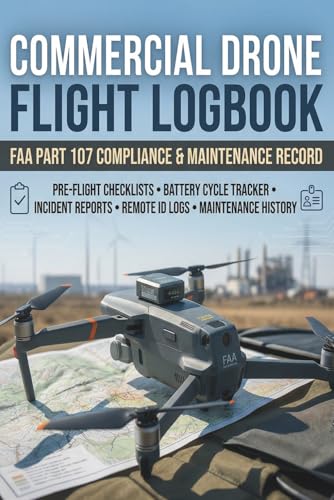
Commercial Drone Flight Logbook: FAA Part 107 Compliance & Maintenance Record: Remote ID & Session ID Tracker, Battery Log, and Incident Reports for Professional sUAS Operators.
As an affiliate, we earn on qualifying purchases.
As an affiliate, we earn on qualifying purchases.
Conclusion
Just like a good neighbor, responsible drone pilots respect the space of hikers, families, and crowds. Remember the story of the drone that spooked a family picnic, turning smiles into hurried retreat? You’re the pilot who can prevent that. When you fly with care, you’re not just capturing stunning shots—you’re building trust and ensuring everyone enjoys the view safely. Keep your flights considerate, and you’ll be the hero behind the camera, not the troublemaker.

Police Drone & Pilot Detection Kit– Handheld Drone Detection & Tracking Tool | Real-Time Alerts for Law Enforcement, Event Security & Emergency Response | Portable Airspace Awareness Device
- Real-Time Drone Detection: Detects drones via remote ID signals instantly
- Portable & Compact Design: Handheld, lightweight, and easy to carry
- Immediate Threat Alerts: Provides instant notifications for quick response
As an affiliate, we earn on qualifying purchases.
As an affiliate, we earn on qualifying purchases.

K&F CONCEPT Magnetic Wide-Angle Lens
- Wide Field of View: Expands FOV to 112° for stunning wide shots
- Magnetic Attachment: Easy magnetic mount for quick setup
- Compatible with Pocket 3/4: Works seamlessly with DJI Osmo Pocket models
As an affiliate, we earn on qualifying purchases.
As an affiliate, we earn on qualifying purchases.
College move-in / dorm season Picks
dorm essentials
As an affiliate, we earn on qualifying purchases.