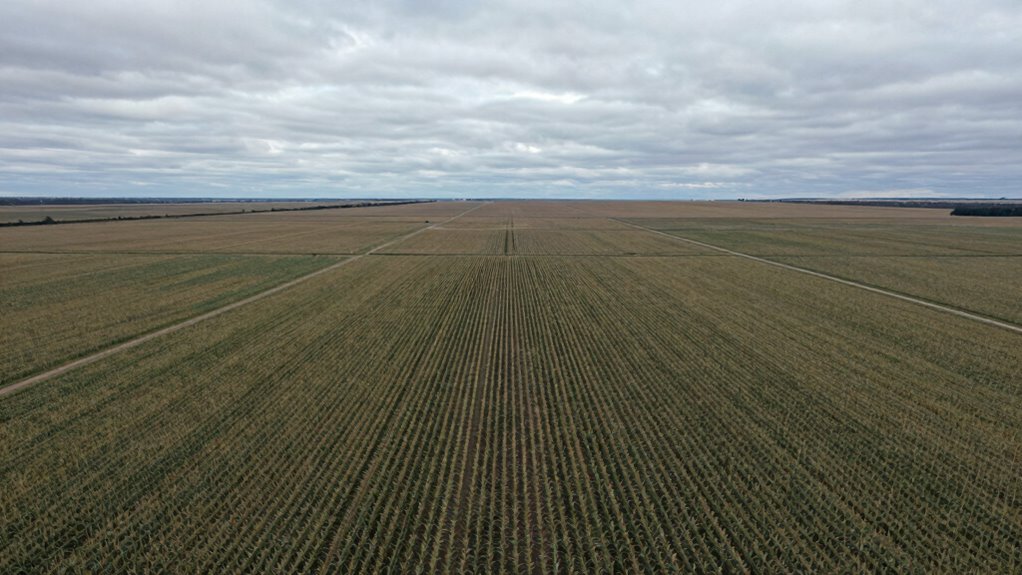

The most common reason your drone videos feel boring is unvaried movement combined with shaky footage. When you repeat the same paths or keep the camera movements repetitive, viewers lose interest. Unsteady shots also distract from the scene and make your footage look unprofessional. To create more exciting videos, you need to focus on controlling your drone smoothly, planning diverse shots, and mastering flight techniques. Keep exploring, and you’ll discover how to make your footage more engaging and dynamic.
Listen free for 30 days with Audible
Thousands of audiobooks and originals — cancel anytime.
As an affiliate, we earn on qualifying purchases.
Key Takeaways
- Repetitive or monotonous flight paths lack visual interest and fail to engage viewers.
- Poor camera stability causes shaky footage, reducing professionalism and viewer enjoyment.
- Lack of varied motion, angles, or speeds makes videos feel static and dull.
- Insufficient planning results in uncreative shots with minimal movement or purpose.
- Inconsistent or uncontrolled drone movements create a jittery experience, decreasing overall excitement.
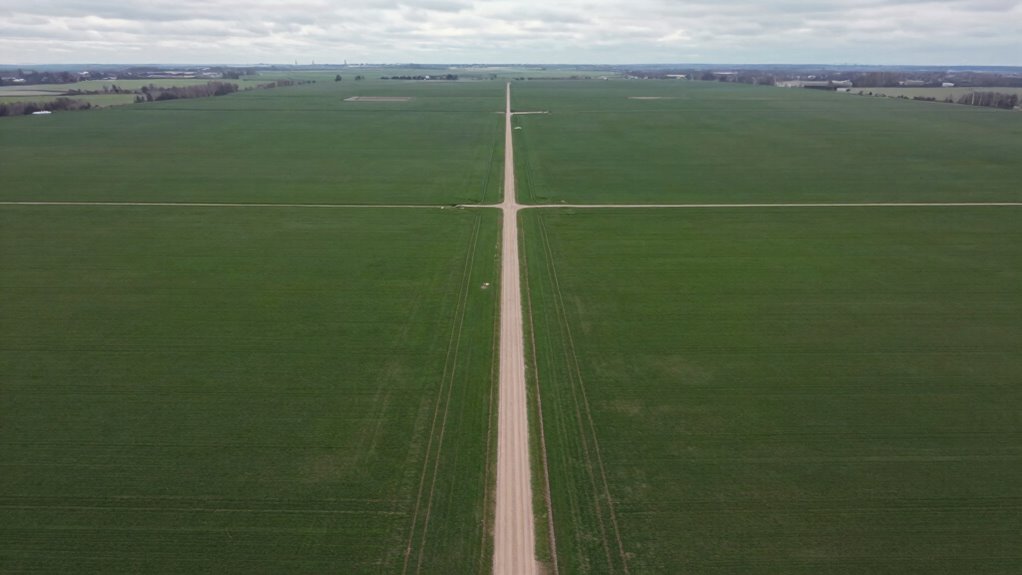
Have you ever watched a drone video and felt it was simply dull? The truth is, many drone footage clips fall flat because they lack two essential elements: camera stability and motion variety. When you’re flying a drone, it’s tempting to capture sweeping landscapes or fast-paced shots, but if your camera wobbles or jitters, viewers will lose interest quickly. Camera stability is critical because it ensures the footage appears smooth and professional. If your shots are shaky or inconsistent, it distracts your audience, making your video feel amateurish rather than engrossing. Maintaining stability requires good control of your drone’s gimbal and smooth pilot movements. Invest time in practicing steady flying techniques and check your equipment regularly to avoid footage that feels unpolished. Moreover, understanding the fundamentals of drone physics can help you achieve more controlled and stable shots, making your videos more captivating.
Smooth drone footage relies on steady control and consistent camera stability for a professional, captivating result.
Beyond stability, motion variety plays a huge role in keeping a viewer engaged. If your drone follows the same path or moves in a predictable pattern, your video becomes monotonous. You need to create a sense of dynamism by varying your drone’s movements—switching between slow, sweeping shots and quick, energetic passes. Incorporating different angles, altitudes, and directions adds layers to your footage and keeps the eye moving. Think about how a good movie director uses camera angles to evoke emotion; you should do the same with your drone. Change your speed, tilt, and height periodically to create visual interest. Avoid sticking to a single, repetitive movement that causes your video to feel stagnant.
Many drone pilots overlook the importance of planning their shots. Without a clear plan, your footage might lack the necessary motion variety, making it feel dull. Before you start recording, visualize the story you want to tell or the scenery you want to showcase. Decide whether you want to start with a slow reveal or an energetic flyby. This planning helps you make intentional movements that add excitement and narrative flow to your video. Additionally, review your footage afterward and identify moments where camera stability could be improved or where motion can be more dynamic. Editing can also enhance these aspects, but the foundation lies in capturing stable, varied motion during flight.
Ultimately, boring drone videos often come down to a lack of attention to camera stability and motion variety. You can fix this by practicing smooth flying, controlling your drone’s movements, and thoughtfully planning your shots. When you master these skills, your footage will become more engaging, cinematic, and far from dull. Viewers will stay hooked, enthusiastic to see what breathtaking scene or clever shot you’ll capture next. Developing a good understanding of drone physics can help you anticipate how your drone will behave in different conditions, further improving your shot quality.
As an affiliate, we earn on qualifying purchases.
Frequently Asked Questions
How Can I Make My Drone Footage More Engaging?
You can make your drone footage more engaging by experimenting with aerial angles and dynamic flight paths. Instead of straightforward shots, try sweeping curves, ascending or descending movements, and unusual perspectives to add visual interest. Planning varied flight paths keeps viewers engaged, while capturing unique angles highlights the scenery creatively. Incorporate smooth shifts and intentional pacing to create a compelling story, making your drone videos stand out and feel less boring.
What Camera Settings Improve Drone Video Quality?
You should prioritize camera stabilization and lens selection to boost your drone video quality. Use a gimbal to keep your footage steady, even in windy conditions, and choose a lens with a wide aperture for sharper, vibrant images. Adjust your camera settings—like ISO, shutter speed, and white balance—to match lighting conditions. These tweaks help your footage look professional, smooth, and mesmerizing, making viewers feel immersed in your aerial views.
Are There Popular Editing Techniques for Drone Videos?
You can make your drone videos stand out by using popular editing techniques like color grading and motion stabilization. Color grading enhances the mood and visual appeal, making scenes more vibrant or cinematic. Motion stabilization smooths out shaky footage, creating a professional look. Combining these techniques keeps your videos engaging, polished, and less boring, ensuring viewers stay captivated by your aerial shots.
How Important Is Storytelling in Drone Videography?
Storytelling is essential in drone videography because it transforms a simple aerial perspective into an engaging narrative. By using storytelling techniques, you guide viewers through a visual journey, creating emotional connections and maintaining interest. Without these techniques, even stunning footage can feel flat. Incorporate a clear beginning, middle, and end, and focus on capturing moments that convey a story, making your drone videos mesmerizing and memorable.
What Are Common Mistakes to Avoid in Drone Filming?
Think of drone filming like traversing a tightrope — balance is everything. To avoid mistakes, prioritize drone safety by always checking your surroundings and avoiding obstacles. Manage your batteries wisely; don’t push your gear to its limits, or your shot could fall apart mid-air. Keep your movements smooth and planned, preventing shaky footage. Fundamentally, careful planning and respect for your equipment keep your footage stunning and your flights safe.
drone flight controller for smooth flying
As an affiliate, we earn on qualifying purchases.
As an affiliate, we earn on qualifying purchases.
Conclusion
So, next time your drone footage falls flat, ask yourself—what’s missing? Are you capturing the essence of the scene, or just flying in circles? The secret lies in telling a story, revealing a perspective no one else sees. Keep pushing the boundaries, and who knows—your next shot might just be the one that keeps viewers glued. Are you ready to take your drone videos from boring to breathtaking? The choice is yours.
drone camera stabilization gimbal
As an affiliate, we earn on qualifying purchases.
As an affiliate, we earn on qualifying purchases.
As an affiliate, we earn on qualifying purchases.
Flea & tick season Picks
flea and tick prevention
As an affiliate, we earn on qualifying purchases.