To effectively read a scene from above before pressing record, focus on how camera angles, spatial relationships, and movement shape the story’s mood. Recognize what emotions you want to evoke—whether tension, intimacy, or vulnerability—and choose angles that support those feelings. Pay attention to how characters are positioned and how their interactions influence the scene’s tone. By analyzing these elements holistically, you’ll make intentional visual choices that enhance storytelling—keep exploring to learn more.

Get the latest gadgets delivered free — and shop member deals
- Fast, free delivery on millions of items
- Access to Prime Big Deal Days deals on October 6–7
- Prime Video, Amazon Music and more included
Key Takeaways
- Analyze character placement and interactions to understand spatial relationships and emotional dynamics.
- Identify the scene’s emotional tone to select camera angles that reinforce mood.
- Visualize how each shot fits into the overall scene flow to ensure cohesive storytelling.
- Consider scene pacing to determine whether dynamic angles or static shots are appropriate.
- Use a holistic view to align framing, movement, and tone with scene objectives before filming.

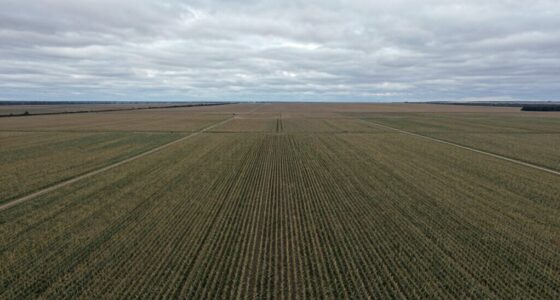
Ever wonder how seasoned filmmakers seem to anticipate every shot before they even press record? It’s because they have a keen eye for the bigger picture—understanding how camera angles shape the story mood and how each shot fits within the scene’s overall flow. When you’re preparing to shoot, looking at a scene from above gives you a valuable perspective that helps you make confident decisions about framing, movement, and tone. This vantage point isn’t just about capturing the action; it’s about reading the scene holistically, so you can tell the story visually and emotionally.
Start by analyzing the scene’s core elements. Think about what you want the audience to feel. Is it tension, joy, confusion, or calm? Your choice of camera angles will directly influence this. For instance, a low-angle shot can make a character seem powerful or intimidating, while a high-angle shot might make them appear vulnerable or insignificant. By examining the scene from above, you can determine where to position your camera to evoke the desired story mood. It’s about aligning the visual tone with the emotional beats of the scene.
Next, consider the spatial relationships and movement. From above, you can see how characters are situated in their environment and how they interact with each other. Are they close together, suggesting intimacy? Or are they distant, emphasizing isolation? As you interpret these relationships, think about how different camera angles can enhance or diminish these impressions. For example, switching from a wide shot to an over-the-shoulder angle can deepen the audience’s connection with a character or highlight a confrontation. Recognizing spatial relationships helps you choose angles that reinforce storytelling cues. Additionally, understanding camera positioning and how it impacts storytelling is crucial for making intentional visual choices.
The scene’s pacing also influences your angle choices. A fast-paced scene might benefit from quick cuts between high and low angles, creating energy and urgency. Conversely, a slower, more contemplative moment might call for static shots that allow viewers to absorb the scene’s mood. Reading the scene from above lets you visualize these dynamics before filming, ensuring your camera angles support the story’s rhythm. When you approach your scene with this perspective, you can better anticipate how different shots will flow together to shape the overall narrative. Additionally, understanding visual storytelling techniques enhances your ability to craft scenes that resonate emotionally.
Ultimately, reading a scene from above is about more than just framing shots; it’s about grasping how every visual element contributes to the story mood. When you approach your scene with this mindset, you’ll make smarter decisions about camera angles, resulting in footage that’s not only aesthetically pleasing but also emotionally resonant. This perspective empowers you to craft scenes that feel intentional and alive, even before you hit record.
As an affiliate, we earn on qualifying purchases.
Frequently Asked Questions
What Equipment Is Best for Overhead Scene Recording?
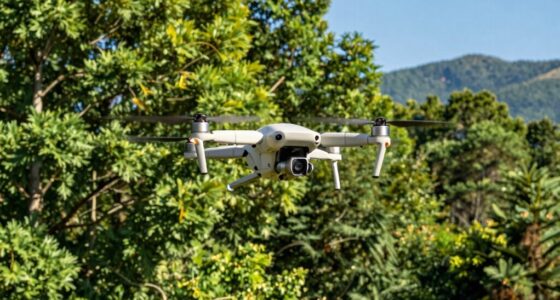
For overhead scene recording, you’ll want a sturdy tripod or a specialized camera crane to get stable, smooth camera angles. Use a high-quality camera with adjustable settings and guarantee proper equipment calibration for sharp, clear footage. Consider a drone or ceiling-mounted rig if you need flexibility. Proper calibration and stable support are key to capturing professional overhead shots, making your scenes look polished and well-composed.
How Do Lighting Conditions Affect Overhead Scene Captures?
Lighting conditions greatly influence overhead scene captures. Natural light creates soft, even illumination, reducing harsh shadows and enhancing details. However, it can also cause unwanted shadow play, which might obscure important elements. You need to monitor light changes throughout the day and adjust your camera settings or add diffusion tools to maintain consistent, clear shots. Proper control of lighting guarantees your overhead footage remains vibrant and accurately represents the scene.
Can I Use a Smartphone for Overhead Shots?
Did you know that smartphone cameras now feature advanced sensors and stabilization? You can definitely use a smartphone for overhead shots, especially with drone photography. Modern smartphones, combined with proper camera stabilization apps or gimbals, can capture steady, high-quality overhead footage. This makes it a convenient and affordable option for aerial shots, allowing you to experiment without investing in expensive equipment. Just guarantee good lighting and stability for the best results.
What Are Common Mistakes When Reading Scenes From Above?
A common mistake when reading scenes from above is ignoring storytelling techniques that guide camera angles. You might focus too much on the shot’s composition, neglecting how the angle affects viewer perception. Overusing high angles can make characters seem powerless, while underutilizing them misses storytelling opportunities. Always consider how camera angles influence emotion and narrative, ensuring you use them intentionally to enhance storytelling and create a compelling visual experience.
How Do I Ensure Safety While Setting up Overhead Equipment?
Think of setting up overhead equipment like building a house of cards—you need a solid foundation. To guarantee safety, always follow safety protocols and double-check equipment stability before filming. Use sturdy mounts, secure all gear tightly, and avoid overloading any support. Regularly inspect your setup and keep a safety checklist handy. This way, you prevent accidents and keep your crew safe, so your shot stays steady and secure.
As an affiliate, we earn on qualifying purchases.
Conclusion
By analyzing your scene from above, you gain clarity and control, much like a bird soaring high above chaos. This perspective allows you to see the bigger picture, spot pitfalls, and plan your next move with confidence. Without it, you’re like a swimmer blindly feeling your way in the dark. Embrace this elevated view before hitting record, and you’ll craft scenes that resonate — grounded in insight, yet inspired by a broader vision.
As an affiliate, we earn on qualifying purchases.
cinematography camera stabilizer
As an affiliate, we earn on qualifying purchases.
As an affiliate, we earn on qualifying purchases.
Fall Picks
fall essentials
As an affiliate, we earn on qualifying purchases.