
TL;DR

Get the latest gadgets delivered free with Prime
- Fast, free delivery on millions of items
- Prime Video, Amazon Music and more included
- Member-only deals all year
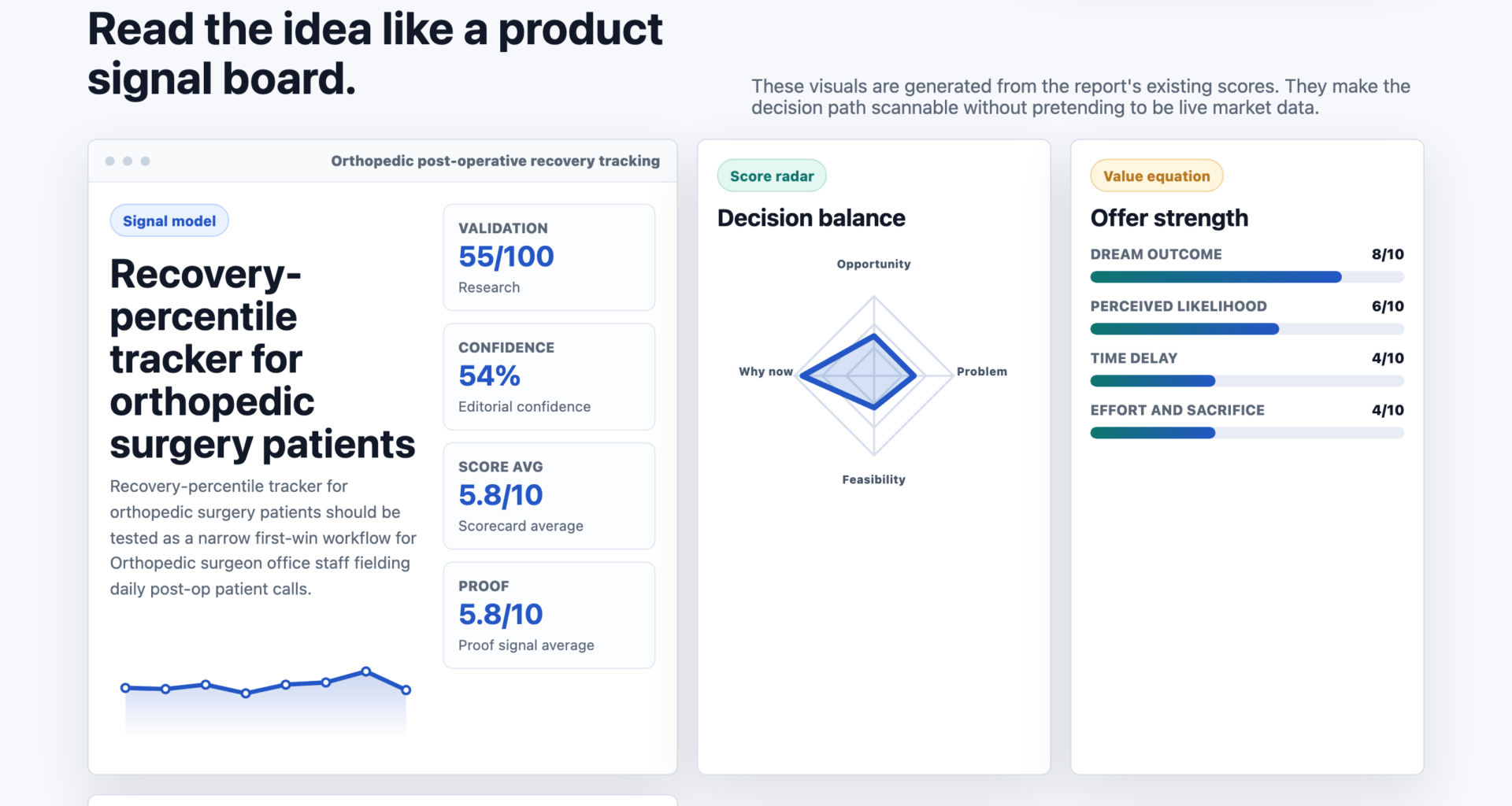
A proposed recovery-percentile tracker for orthopedic surgery patients enables daily self-assessment of pain and mobility. It aims to reduce unnecessary calls to surgeons and improve post-op care. Validation is ongoing with a pilot program in one orthopedic practice.
A recovery-percentile tracker for orthopedic surgery patients is being tested as a tool to objectively monitor healing progress and reduce the volume of post-operative calls to surgeon offices. The system prompts patients to log daily pain, mobility, and walking milestones, then plots their recovery percentile against anonymized benchmarks. This development aims to address the rising demand for outpatient orthopedic procedures and the staffing challenges faced by offices.
The tracker is designed for use during the first two weeks post-surgery, focusing initially on procedures such as knee replacements. Patients input data on pain levels, range of motion, and walking milestones daily through a simple interface. The system then compares individual recovery data against anonymized curves derived from previous patients, providing a percentile ranking that indicates how well the patient is healing relative to typical recovery patterns.
Orthopedic practices participating in the pilot will recruit 15 knee-replacement patients, who will log their recovery data daily. The goal is to determine whether this approach reduces the number of ‘is this normal?’ calls compared to a control group not using the tracker. The subscription-based model charges surgeon offices per user, aiming to streamline post-op communication and improve patient reassurance.
Implications for Post-Operative Patient Monitoring
This development could significantly improve post-operative care by providing objective, data-driven insights into patient recovery. It has the potential to reduce unnecessary phone calls, alleviate staff workload, and enable earlier intervention if recovery deviates from expected patterns. For patients, it offers clearer feedback on their healing progress, potentially reducing anxiety and improving satisfaction with care.
As an affiliate, we earn on qualifying purchases.
Growing Need for Efficient Post-Op Recovery Tools
As outpatient orthopedic procedures like knee replacements continue to rise, offices face increased patient volume and staffing shortages. Currently, many patients rely on subjective assessments or call with concerns that often lack objective benchmarks. Prior efforts have focused on remote monitoring and telehealth, but standardized, easy-to-use tools for daily recovery assessment are still emerging. The proposed recovery-percentile tracker is part of a broader trend toward digital health solutions aimed at improving efficiency and patient outcomes in orthopedic care.
“This tool could provide a much-needed objective measure of recovery, helping both patients and clinicians understand where they stand in the healing process.”
— an anonymous researcher
orthopedic recovery monitoring device
As an affiliate, we earn on qualifying purchases.
As an affiliate, we earn on qualifying purchases.
Uncertainties About Effectiveness and Adoption
It is not yet confirmed how accurately the tracker reflects individual recovery trajectories across diverse patient populations. The pilot study is ongoing, and results on whether it significantly reduces call volume or improves outcomes are still pending. Additionally, questions remain about patient adherence, data privacy, and integration into existing clinical workflows.
As an affiliate, we earn on qualifying purchases.
Next Steps in Validation and Broader Implementation
The pilot program will continue over the coming months, with data collection focused on call volume reduction and patient satisfaction. If results are positive, further studies will be conducted to validate the tool across different procedures and practices. Long-term, developers aim to refine the platform and expand its use to more orthopedic offices, potentially integrating it with electronic health records for seamless clinical use.
post-surgery mobility assessment tool
As an affiliate, we earn on qualifying purchases.
As an affiliate, we earn on qualifying purchases.
Key Questions
How does the recovery-percentile tracker work?
Patients log daily data on pain, mobility, and walking milestones, which is then compared against anonymized recovery curves to generate a percentile ranking indicating their progress relative to typical recovery patterns.
Will this tool replace in-person follow-up visits?
No, it is designed to supplement clinical care by providing objective data, but in-person assessments will still be necessary for comprehensive evaluation and intervention.
Is patient data privacy protected?
The system plans to comply with relevant data privacy regulations, but details about specific security measures are still being finalized during the pilot phase.
When will this tracker be widely available?
If the pilot confirms its effectiveness, broader deployment could occur within the next year, pending further validation and regulatory considerations.
Can this system be used for other types of surgeries?
Initially, the focus is on outpatient orthopedic procedures like knee replacements, but the concept could be adapted for other surgeries with similar recovery patterns.
Source: IdeaNavigator AI
Fall Picks
fall essentials
As an affiliate, we earn on qualifying purchases.