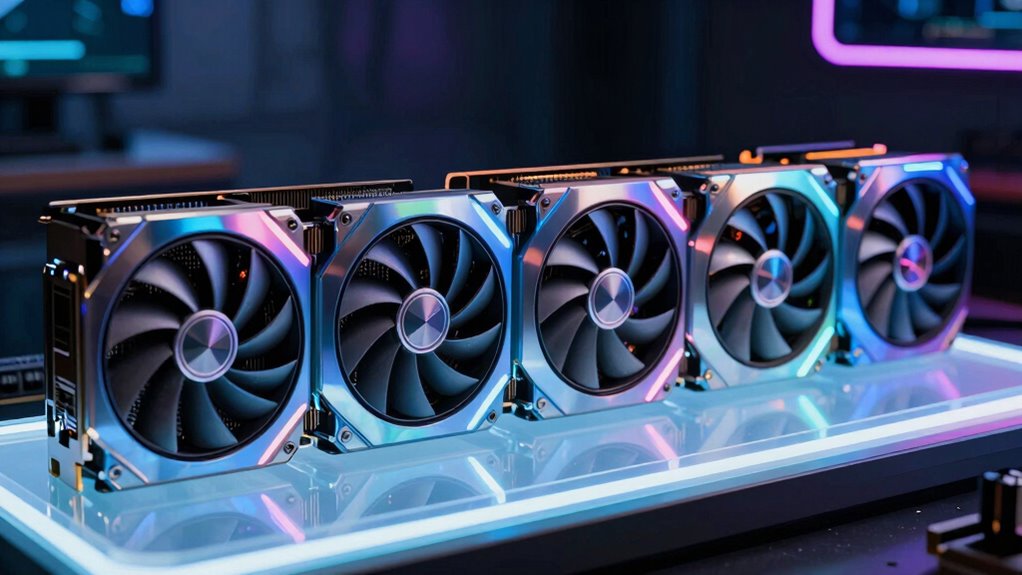

If you’re aiming for smooth 120Hz VR gaming in 2026, I’d recommend considering the GIGABYTE GeForce RTX 3060 Gaming OC 12G, the Radeon RX 9060 XT Gaming OC 16G, the RTX 2060 8GB Super, or the ASUS NVIDIA GeForce RTX 3050. These GPUs offer high core speeds, ample VRAM, and ray tracing to enhance your experience. Keep exploring, and you’ll find the best fit to elevate your VR setup even further.
Open a free Amazon Business account
Business pricing, bulk buying and tax-exempt orders.
Create a free accountAs an affiliate, we earn on qualifying purchases.
Key Takeaways
- Look for GPUs with 8GB+ VRAM, high core clock speeds, and advanced RT and Tensor Cores for optimal VR performance.
- Prioritize models supporting HDMI 2.1 or DisplayPort 1.4/1.4a for high-res, high-refresh-rate VR display connectivity.
- Choose GPUs based on architectures like NVIDIA Ampere or AMD RDNA 4 for better efficiency and ray tracing capabilities.
- Ensure the GPU has robust cooling solutions and TDP ratings compatible with your power supply for sustained VR sessions.
- Consider current market availability and budget, balancing high-end features with price and supply constraints in 2026.
| GIGABYTE GeForce RTX 3060 Gaming OC 12G | 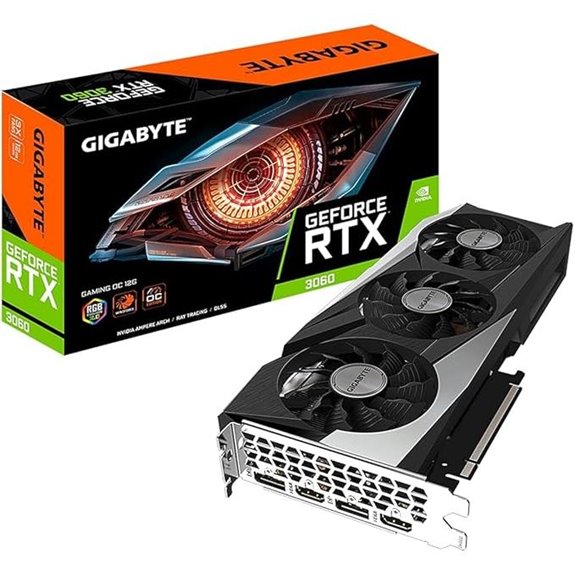 | High-Performance Gaming | Memory Size: 12GB GDDR6 | Memory Speed: 15,000 MHz | Resolution Support: 7680×4320 | VIEW LATEST PRICE | See Our Full Breakdown |
| GIGABYTE Radeon RX 9060 XT Gaming OC 16G | 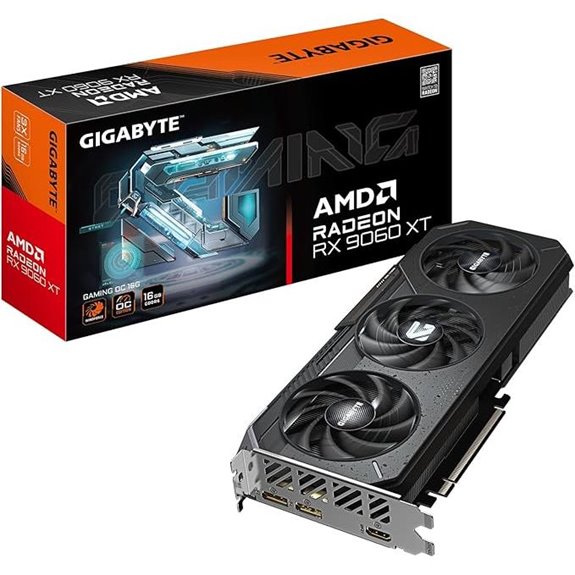 | Future-Ready Powerhouse | Memory Size: 16GB GDDR6 | Memory Speed: 20,000 MHz | Resolution Support: 7680×4320 | VIEW LATEST PRICE | See Our Full Breakdown |
| RTX 2060 8GB Super Graphics Card with Ray Tracing | 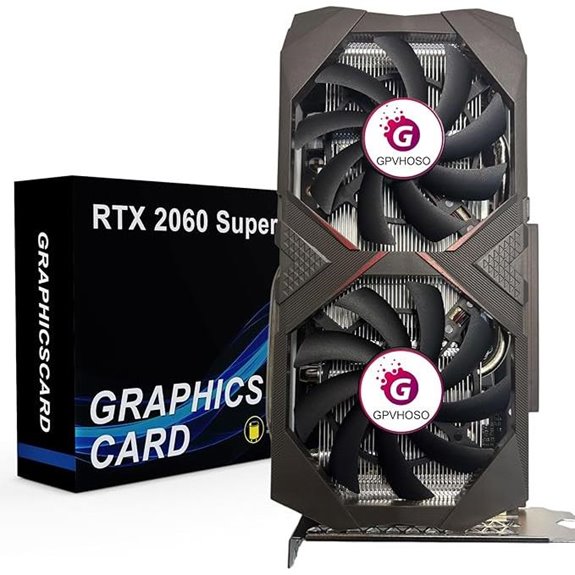 | Solid Mid-Range | Memory Size: 8GB GDDR6 | Memory Speed: Not specified | Resolution Support: 8K (7680×4320) | VIEW LATEST PRICE | See Our Full Breakdown |
| ASUS NVIDIA GeForce RTX 3050 Gaming Graphics Card | 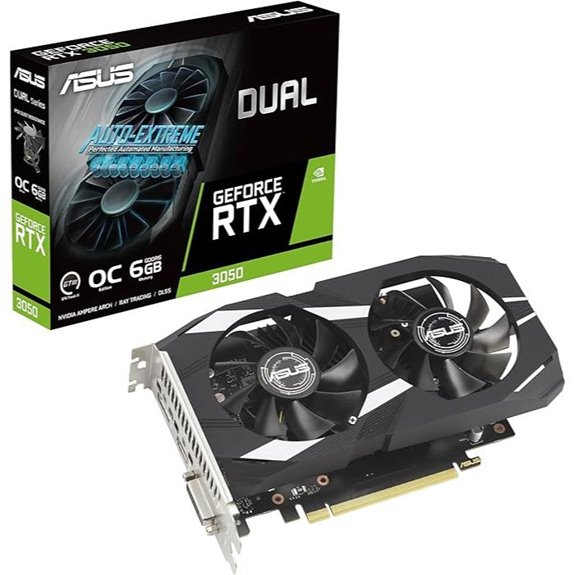 | Compact Efficiency | Memory Size: 6GB GDDR6 | Memory Speed: Not specified | Resolution Support: 7680×4320 | VIEW LATEST PRICE | See Our Full Breakdown |
More Details on Our Top Picks
-
B0F91KM1CK
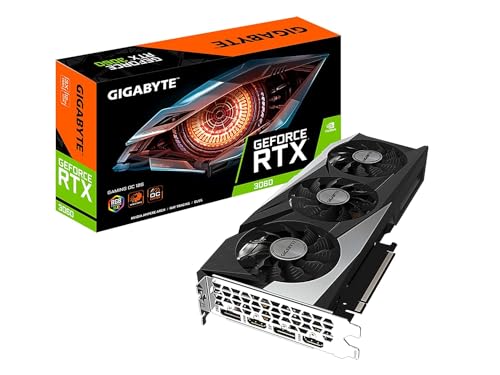
GIGABYTE GeForce RTX 3060 Gaming OC 12G
If you’re looking for a reliable GPU that can handle 120Hz VR gaming in 2026, the GIGABYTE GeForce RTX 3060 Gaming OC 12G is a solid choice. It features NVIDIA’s Ampere architecture with second-generation RT Cores and third-generation Tensor Cores, ensuring smooth visuals and AI acceleration. With 12GB GDDR6 memory and a 1837 MHz boost clock, it delivers high performance for gaming and creative tasks. The WINDFORCE 3X cooling system keeps temps in check, while RGB Fusion 2.0 adds style. Its compact size and sturdy build make it versatile for various setups, making it a dependable option for immersive VR experiences.
- Memory Size:12GB GDDR6
- Memory Speed:15,000 MHz
- Resolution Support:7680×4320
- Interface Type:PCIe 4.0
- Cooling Technology:WINDFORCE 3X
- Output Ports:HDMI 2.1, DisplayPort 1.4
- Additional Feature:RGB Fusion 2.0 lighting
- Additional Feature:WINDFORCE 3X cooling system
- Additional Feature:Compact dimensions (11.1 x 4.61 x 1.61 in)
-
B0DZNNSFL9
GIGABYTE Radeon RX 9060 XT Gaming OC 16G
The GIGABYTE Radeon RX 9060 XT Gaming OC 16G stands out for gamers and creative professionals seeking high frame rates and stunning visuals in 120Hz VR setups. Powered by AMD RDNA™ 4 architecture, it delivers smooth performance, AI acceleration, and vibrant graphics. Its robust cooling system, featuring WINDFORCE technology and Hawk Fan, keeps temperatures in check during intense sessions. With 16GB GDDR6 memory running at 20,000 MHz and PCIe 5.0 support, it handles 4K gaming effortlessly. Rated 4.6 stars from hundreds of reviews, this card offers excellent value for immersive VR experiences, making it a top choice for 2026.
- Memory Size:16GB GDDR6
- Memory Speed:20,000 MHz
- Resolution Support:7680×4320
- Interface Type:PCIe 5.0
- Cooling Technology:GIGABYTE WINDFORCE
- Output Ports:HDMI 2.1, DisplayPort 1.4a
- Additional Feature:RGB lighting accents
- Additional Feature:Hawk Fan cooling technology
- Additional Feature:Server-grade thermal conductive gel
-

ASUS Dual NVIDIA GeForce RTX 3050 6GB GDDR6 OC Edition Gaming Graphics Card - PCIe 4.0, HDMI 2.1, DisplayPort 1.4a, 2-Slot Design, Axial-tech Fan Design, Steel Bracket, 3 Year Warranty
- NVIDIA Ampere Streaming Multiprocessors: Twice the FP32 throughput, improved efficiency
- 2nd Gen RT Cores: Enhanced ray-tracing with double throughput
- 3rd Gen Tensor Cores: Faster AI processing with DLSS support
As an affiliate, we earn on qualifying purchases.
RTX 2060 8GB Super Graphics Card with Ray Tracing
The RTX 2060 8GB Super Graphics Card shines as an excellent choice for gamers and VR enthusiasts seeking smooth 120Hz performance in 2026. It features a 256-bit GDDR6 memory, boost clock up to 1650 MHz, and supports real-time ray tracing for realistic lighting and reflections. Its dual fans keep temperatures in check, while compatibility with HDMI, DisplayPort, and DVI allows multi-monitor setups. With support for up to 8K resolution and DLSS AI upscaling, it delivers sharp visuals and high frame rates. Rated 4.4 stars, this card offers impressive performance at a competitive price, making it a solid pick for immersive VR gaming.
- Memory Size:8GB GDDR6
- Memory Speed:Not specified
- Resolution Support:8K (7680×4320)
- Interface Type:PCIe x16 3.0
- Cooling Technology:Dual fans
- Output Ports:HDMI, DisplayPort, DVI
- Additional Feature:Supports VR experiences
- Additional Feature:Real-time ray tracing
- Additional Feature:DLSS AI-powered upscaling
ASUS NVIDIA GeForce RTX 3050 Gaming Graphics Card
For gamers seeking a compact yet capable GPU for 120Hz VR in 2026, the ASUS NVIDIA GeForce RTX 3050 Gaming Graphics Card stands out with its efficient design and solid performance. It features a PCIe 4.0 interface, 6GB GDDR6 memory, and supports high resolutions up to 7680 x 4320. Its dual Axial-tech fans and advanced cooling guarantee thermal performance in small chassis, while technologies like ray tracing, DLSS, and HDMI 2.1 deliver immersive visuals. With a 2-slot design, it’s perfect for compact builds, offering smooth VR experiences and reliable operation, all backed by positive reviews and a manufacturer warranty.
- Memory Size:6GB GDDR6
- Memory Speed:Not specified
- Resolution Support:7680×4320
- Interface Type:PCIe 4.0
- Cooling Technology:Axial-tech fans
- Output Ports:HDMI 2.1, DisplayPort 1.4a
- Additional Feature:Axial-tech fan design
- Additional Feature:0dB silent operation
- Additional Feature:Compact 7.9-inch size
Factors to Consider When Choosing a GPU for 120Hz VR
When choosing a GPU for 120Hz VR, I focus on performance requirements to guarantee smooth gameplay. I also consider VR compatibility features, resolution and frame rate needs, along with cooling and power demands. Finally, I keep an eye on budget and availability to find the best fit for my setup.
Performance Requirements
Choosing the right GPU for 120Hz VR hinges on guaranteeing it can deliver at least 90-120 frames per second, which is essential for smooth and responsive gameplay. A GPU with sufficient core clock speed and VRAM capacity is critical to maintain consistent high frame rates during demanding VR sessions. High-performance GPUs often incorporate advanced RT and Tensor Cores, enabling real-time ray tracing and AI enhancements without sacrificing frame stability. Additionally, optimized architectures like NVIDIA Ampere or AMD RDNA 4 improve throughput and efficiency, helping to handle the graphics complexity of high-resolution VR. It’s also crucial that the GPU can support your intended resolution and graphical settings to prevent stutter or lag. Ultimately, meeting these performance benchmarks ensures an immersive, fluid VR experience without compromise.
VR Compatibility Features
Ensuring your GPU is VR-compatible means paying close attention to specific features that support high-quality, low-latency virtual reality experiences. First, it must support HDMI 2.0 or DisplayPort 1.4 to handle high-resolution, high-refresh-rate displays smoothly. Adequate VRAM, typically 8GB or more, is essential for rendering complex environments at 120Hz without stuttering. Real-time ray tracing enhances visual realism by providing accurate lighting, shadows, and reflections, making VR worlds more immersive. Support for low latency connection standards and technologies like VRR (Variable Refresh Rate) helps reduce motion sickness and input lag, ensuring smoother gameplay. Additionally, the GPU should have robust driver support and certification for VR headsets to guarantee stability and best performance during your virtual adventures.
Resolution and Frame Rate
Achieving smooth 120Hz VR at high resolutions demands a GPU with substantial processing power and ample memory. Higher resolution displays, like 4K, require more VRAM and processing capability to maintain 120Hz without lag or stuttering. To do this effectively, I look for GPUs with robust core counts and high clock speeds, ensuring they can handle demanding titles with ease. Supporting advanced video standards such as HDMI 2.1 or DisplayPort 1.4/1.4a is essential for transmitting high-resolution, high-refresh-rate signals reliably. Maintaining 120Hz at 4K often involves features like ray tracing and AI acceleration to deliver detailed visuals smoothly. Balancing resolution and frame rate means choosing a GPU capable of rendering demanding visuals at 120Hz without sacrificing visual fidelity or introducing latency.
Cooling and Power Needs
When aiming for smooth 120Hz VR gameplay, the GPU’s cooling and power systems become just as important as its processing capabilities. High refresh rates generate significant heat, so effective cooling—like multiple fans or liquid cooling—is essential to prevent thermal throttling during long sessions. GPUs with higher TDP ratings need robust power supplies and efficient cooling solutions to stay stable at high loads. Proper case airflow and ventilation are critical to dissipate heat and maintain ideal performance. Additionally, ensure your power connectors and circuitry support the GPU’s power demands; otherwise, you risk instability or shutdowns during demanding VR experiences. Balancing cooling and power needs helps you achieve consistent, smooth performance without overheating or risking hardware failure.
Budget and Availability
Choosing the right GPU for 120Hz VR isn’t just about performance; it also depends heavily on your budget and what’s available in the market. GPU prices vary widely, with high-end options costing over $1,000, while budget models can be found for under $300. Availability can also be unpredictable due to supply chain issues, chip shortages, or high demand from gamers and crypto miners. Limited stock or inflated prices might mean waiting for restocks or considering alternative models that fit your budget. Additionally, some GPUs are exclusive to certain regions or retailers, affecting accessibility and cost. Balancing your performance needs with current market conditions is essential, especially if you’re working within a tighter budget or facing limited options.
Frequently Asked Questions
How Do GPU Drivers Impact VR Performance at 120HZ?
GPU drivers are essential for VR performance at 120Hz because they optimize how the hardware communicates with the software. When drivers are up-to-date, they fix bugs, improve stability, and enhance compatibility, ensuring smoother visuals and lower latency. I always make sure to keep my drivers current, as outdated ones can cause lag, stuttering, or even crashes, which ruins the immersive experience I seek in VR gaming.
Are There Specific GPU Features Optimized for VR Gaming?
Yes, there are specific GPU features optimized for VR gaming. I look for low latency technologies, like VR-specific frame timing and asynchronous reprojection, which smooth out gameplay. Eye-tracking support and enhanced stereoscopic rendering also boost immersion. Additionally, VR-optimized ray tracing helps create realistic visuals without sacrificing performance. These features work together to deliver a seamless, immersive experience, making my VR gaming more enjoyable and responsive.
How Does GPU Cooling Affect VR Performance Stability?
GPU cooling plays a vital role in VR performance stability. When my GPU runs cooler, it maintains consistent clock speeds, preventing thermal throttling that can cause lag or frame drops. Proper cooling also reduces noise, making my VR experience smoother and more immersive. Overheating can lead to crashes or visual artifacts, so investing in good cooling guarantees my GPU performs at its best during intense VR sessions, keeping my gaming seamless.
Can Older GPUS Handle 120HZ VR Effectively?
Sure, older GPUs can handle 120Hz VR—if you enjoy choppy, sluggish experiences. Honestly, trying to run modern VR smoothly on outdated hardware is like expecting a bicycle to win a race against a sports car. While you might get some playable frames, the immersive quality will suffer, and frustration will set in. Upgrading is the only way to truly enjoy the crisp, fluid visuals today’s VR demands.
What Is the Impact of VR Headset Resolution on GPU Choice?
The resolution of a VR headset greatly influences my choice of GPU because higher resolutions demand more processing power. If I go for a headset with 4K or higher, I need a more powerful GPU to maintain smooth 120Hz performance without sacrificing visual quality. Lower resolutions are easier on the GPU, but I prefer high-res headsets for immersive clarity, so I look for GPUs with ample VRAM and processing power to handle the load seamlessly.
Conclusion
Honestly, I believe that selecting the right GPU can truly transform your VR experience. While many assume newer models are always better, I’ve found that balancing performance with your specific needs matters most. Sometimes, a slightly older card with robust features can deliver stunning 120Hz VR gameplay. So, don’t just chase the latest release—consider what fits your setup and gaming style. After all, the best GPU is the one that elevates your immersion and keeps you coming back for more.
Flea & tick season Picks
flea and tick prevention
As an affiliate, we earn on qualifying purchases.