If you’re looking for the best budget GPUs for VR in 2026, I recommend models like the GIGABYTE GeForce RTX 3060, ASUS Radeon RX 7600 EVO, and AISURIX RX 580. These cards offer at least 6GB VRAM, HDMI 2.0/2.1 or DisplayPort 1.4a, and good performance for smooth, flicker-free VR experiences under $300. Want to see how they compare and which might be best for your setup? Keep exploring for all the details.
Key Takeaways
- Prioritize GPUs with at least 6GB GDDR6 or GDDR5 VRAM for smooth high-res VR experiences.
- Check compatibility with HDMI 2.0/2.1 or DisplayPort 1.4a for high-bandwidth VR headset connectivity.
- Look for models offering 90 FPS or higher and strong synthetic VR benchmark scores like VRMark.
- Opt for reliable brands with regular driver updates, good cooling, and sufficient power supply support.
- Aim for GPUs priced between $100-$300 with future upgrade potential, supporting latest DirectX and Vulkan features.
| GIGABYTE GeForce RTX 3060 Gaming OC Graphics Card | 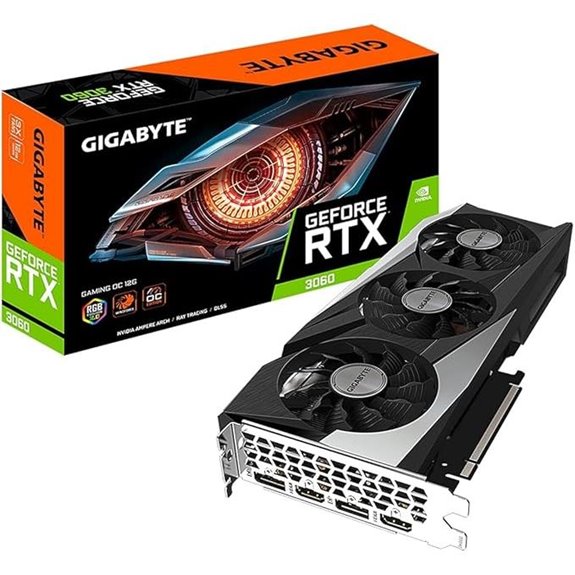 | High-Performance Gaming | Memory Size: 12GB GDDR6 | Support for 4K/8K: Yes (up to 7680×4320) | Cooling Technology: WINDFORCE 3X fans | VIEW LATEST PRICE | See Our Full Breakdown |
| ASUS Radeon RX 7600 EVO OC Graphics Card | 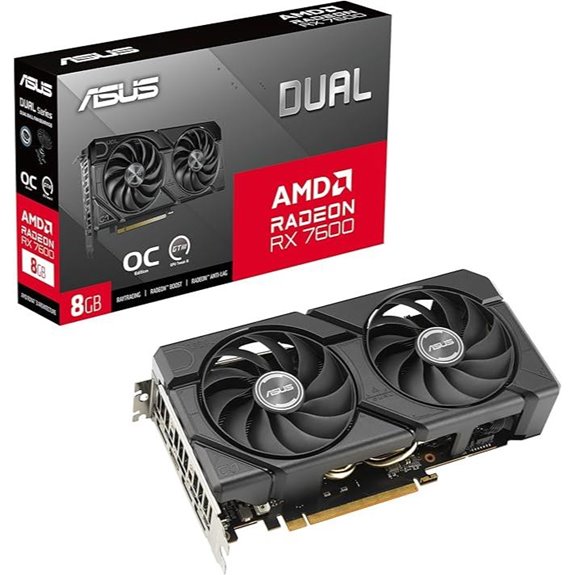 | Balanced Powerhouse | Memory Size: 8GB GDDR6 | Support for 4K/8K: Yes (up to 7680×4320) | Cooling Technology: Axial-tech fans with dual ball bearings | VIEW LATEST PRICE | See Our Full Breakdown |
| AISURIX RX 580 8GB Gaming Graphics Card | 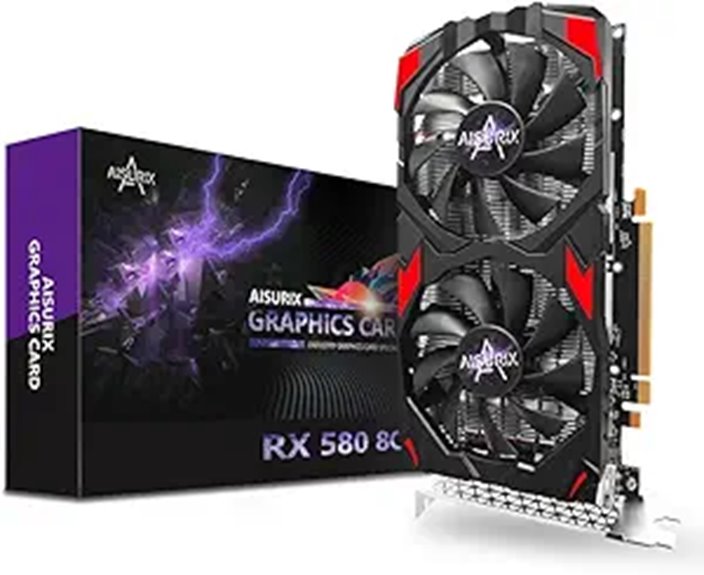 | Reliable Classic | Memory Size: 8GB GDDR5 | Support for 4K/8K: Yes (up to 4K) | Cooling Technology: Semi-automatic intelligent fan | VIEW LATEST PRICE | See Our Full Breakdown |
| GIGABYTE GeForce RTX 3050 OC Graphics Card | 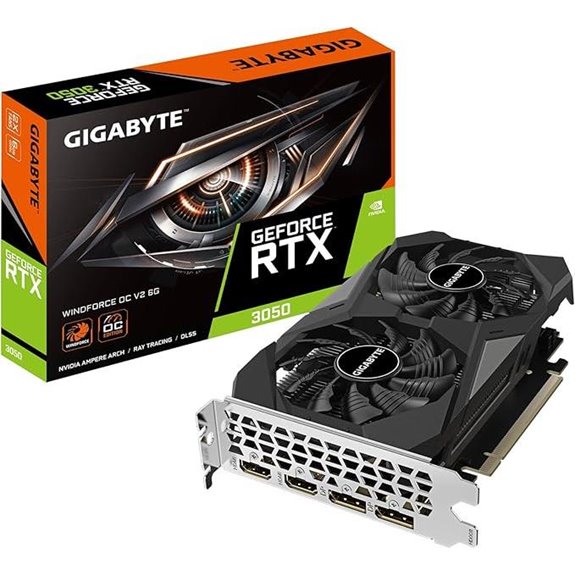 | Compact Excellence | Memory Size: 6GB GDDR6 | Support for 4K/8K: Yes (up to 7680×4320) | Cooling Technology: WINDFORCE cooling with 2 fans | VIEW LATEST PRICE | See Our Full Breakdown |
| GTX 1060 6GB Gaming Graphics Card with Dual Fans | 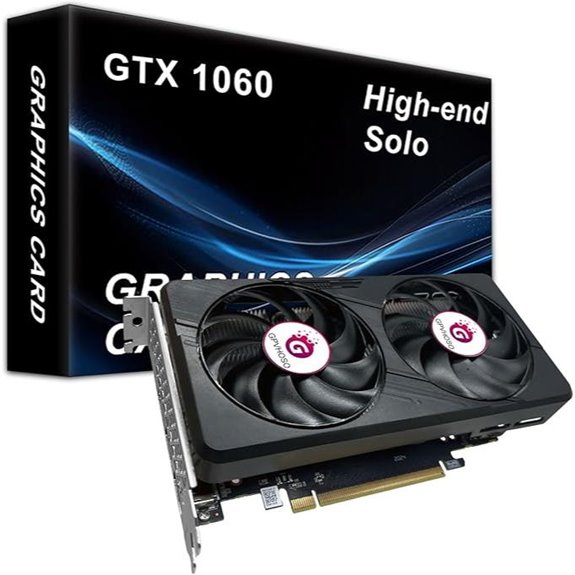 | Solid Budget Choice | Memory Size: 6GB GDDR5 | Support for 4K/8K: Yes (up to 8K) | Cooling Technology: Dual fans with thermal design | VIEW LATEST PRICE | See Our Full Breakdown |
| Maxsun AMD Radeon RX 580 8GB Graphics Card | 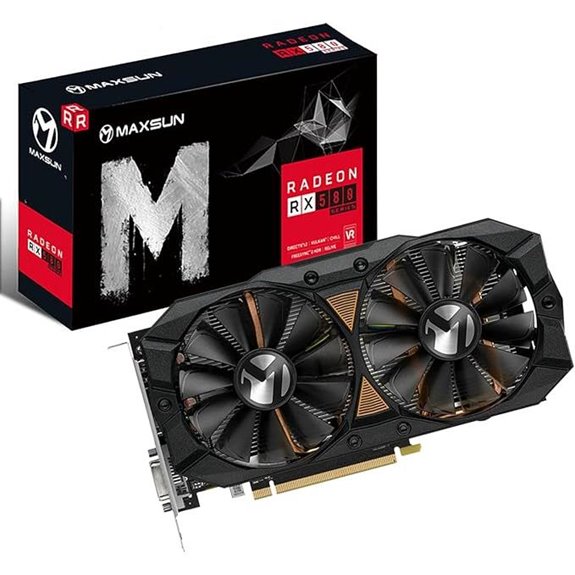 | Value for VR | Memory Size: 8GB GDDR5 | Support for 4K/8K: Yes (up to 4K) | Cooling Technology: Standard cooling (fan system) | VIEW LATEST PRICE | See Our Full Breakdown |
| XFX Radeon RX 580 GTS XXX 8GB VR Ready GPU | 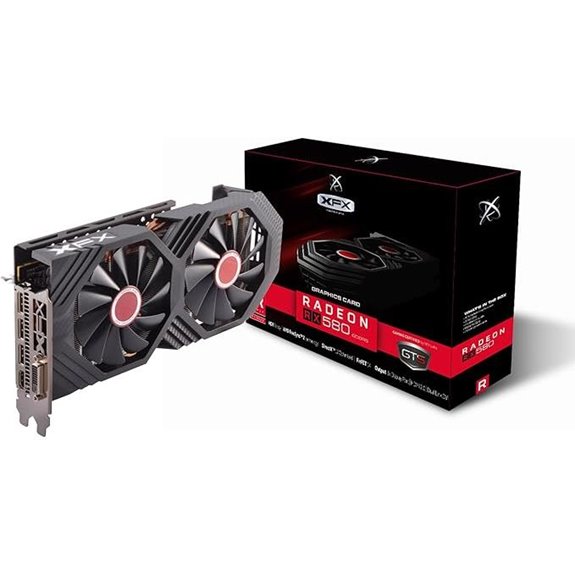 | VR Ready Performance | Memory Size: 8GB GDDR5 | Support for 4K/8K: Yes (up to 4K) | Cooling Technology: Unibody heatsink with VRM cooling | VIEW LATEST PRICE | See Our Full Breakdown |
| Maxsun GeForce RTX 3050 6GB Graphics Card | 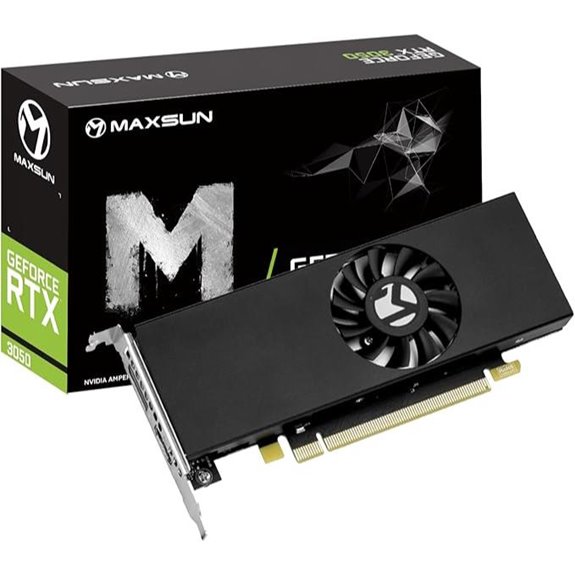 | Mini Powerhouse | Memory Size: 6GB GDDR6 | Support for 4K/8K: Yes (up to 8K) | Cooling Technology: Low-profile design (no detailed cooling tech) | VIEW LATEST PRICE | See Our Full Breakdown |
More Details on Our Top Picks
GIGABYTE GeForce RTX 3060 Gaming OC Graphics Card
Looking for a budget-friendly GPU that can handle VR gaming without sacrificing performance? The GIGABYTE GeForce RTX 3060 Gaming OC is a solid choice. It features NVIDIA’s Ampere architecture, with 12GB of GDDR6 memory and a boost clock of 1837 MHz, ensuring smooth visuals at high resolutions. Its WINDFORCE 3X cooling keeps temperatures in check during intense sessions. Plus, with dual HDMI 2.1 and DisplayPort 1.4 outputs, it’s ready for high-quality VR setups. Weighing just over a pound, it fits easily into most builds. Overall, it offers great performance for the price, making VR gaming more accessible without compromises.
- Memory Size:12GB GDDR6
- Support for 4K/8K:Yes (up to 7680×4320)
- Cooling Technology:WINDFORCE 3X fans
- Output Ports:2 HDMI 2.1, 2 DisplayPort 1.4
- Power Consumption:Not specified, typical for mid-range
- Customer Ratings:4.7/5 (3,439 reviews)
- Additional Feature:RGB Fusion 2.0 lighting
- Additional Feature:Dual HDMI 2.1 outputs
- Additional Feature:WINDFORCE 3X cooling system
ASUS Radeon RX 7600 EVO OC Graphics Card
If you’re seeking a budget-friendly GPU that doesn’t compromise on VR performance, the ASUS Radeon RX 7600 EVO OC is an excellent choice. It features AMD’s RDNA™ 3 architecture with 8GB GDDR6 memory and PCIe® 4.0 support, offering a boost clock up to 2715 MHz. Designed for smooth gameplay, it supports up to 7680×4320 resolution and includes advanced cooling with Axial-tech fans and a 2.5-slot design. Plus, its reliability is boosted by Auto-Extreme manufacturing and durable stainless-steel brackets. With excellent reviews and compatibility with HDMI® 2.1 and DisplayPort™ 1.4a, it’s a solid option for immersive VR gaming on a budget.
- Memory Size:8GB GDDR6
- Support for 4K/8K:Yes (up to 7680×4320)
- Cooling Technology:Axial-tech fans with dual ball bearings
- Output Ports:HDMI 2.1, DisplayPort 1.4a
- Power Consumption:Not specified, typical for mid-range
- Customer Ratings:4.7/5 (approx. 500 reviews)
- Additional Feature:Axial-tech fan design
- Additional Feature:2.5-slot cooling design
- Additional Feature:GPU Tweak III software
AISURIX RX 580 8GB Gaming Graphics Card
The AISURIX RX 580 8GB Gaming Graphics Card stands out as an excellent choice for budget-conscious gamers who want reliable VR performance without breaking the bank. Built on Arctic Islands architecture with a 14nm process, it offers solid performance with 2048 stream processors and 8GB GDDR5 memory. It supports modern DirectX 12 games and connects via PCI-Express 3.0, enabling smooth 4K visuals and high frame rates. Its semi-automatic fan system reduces noise and extends lifespan, making it durable for long gaming sessions. Rated 4.3 stars from over 300 reviews, it’s known for quiet operation, power efficiency, and dependable performance—perfect for immersive VR gaming on a budget.
- Memory Size:8GB GDDR5
- Support for 4K/8K:Yes (up to 4K)
- Cooling Technology:Semi-automatic intelligent fan
- Output Ports:HDMI, DisplayPort, DVI
- Power Consumption:Up to 185W
- Customer Ratings:4.3/5 (343 reviews)
- Additional Feature:Semi-automatic fan system
- Additional Feature:Dual-slot form factor
- Additional Feature:Supports 4K video decode
GIGABYTE GeForce RTX 3050 OC Graphics Card
The GIGABYTE GeForce RTX 3050 OC Graphics Card stands out as a solid choice for gamers and creators seeking high-quality VR experiences on a budget. It features NVIDIA’s Ampere architecture, with 2nd-gen RT cores and 3rd-gen Tensor cores, delivering impressive visuals and AI acceleration. The 6GB GDDR6 memory supports up to 7680×4320 resolution, ensuring crisp, detailed graphics. Thanks to GIGABYTE’s WINDFORCE cooling, it stays cool under load, making it reliable for extended gaming sessions. With a high customer rating of 4.7 stars, this card offers great performance at an affordable price, fitting well into standard PC builds for demanding VR and creative tasks.
- Memory Size:6GB GDDR6
- Support for 4K/8K:Yes (up to 7680×4320)
- Cooling Technology:WINDFORCE cooling with 2 fans
- Output Ports:HDMI 2.1, DisplayPort 1.4a
- Power Consumption:Not specified, typical for mid-range
- Customer Ratings:4.7/5 (528 reviews)
- Additional Feature:2x WINDFORCE fans
- Additional Feature:6GB GDDR6 memory
- Additional Feature:Real-time ray tracing
GTX 1060 6GB Gaming Graphics Card with Dual Fans
For gamers on a budget seeking solid VR performance, the GTX 1060 6GB Gaming Graphics Card with Dual Fans stands out as an excellent choice. It offers powerful performance for gaming and graphics-intensive tasks, thanks to its GDDR5 memory and support for DirectX 12. The dual fans and enhanced thermal design keep the card cool, ensuring consistent performance and longer lifespan. With high clock speeds, CUDA cores, and multiple connectivity options, it handles demanding games and VR setups smoothly. While it requires a 400W power supply, its affordability and reliable performance make it a top budget pick for immersive VR experiences in 2026.
- Memory Size:6GB GDDR5
- Support for 4K/8K:Yes (up to 8K)
- Cooling Technology:Dual fans with thermal design
- Output Ports:HDMI, DisplayPort, DVI
- Power Consumption:Not specified, typical for mid-range
- Customer Ratings:4.0/5 (15 reviews)
- Additional Feature:Dual cooling fans
- Additional Feature:Supports VR and multi-monitor
- Additional Feature:8K support capability
Maxsun AMD Radeon RX 580 8GB Graphics Card
If you’re building a budget-friendly gaming or VR setup, the Maxsun AMD Radeon RX 580 8GB Graphics Card stands out thanks to its solid performance and versatile features. Based on AMD’s Polaris 20 XL GPU, it supports DirectX 12, Vulkan, and OpenGL 4.6, ensuring compatibility with modern games and applications. With 8GB GDDR5 memory and a 256-bit interface, it handles 4K video decode and encode smoothly. Its compact design fits various builds, and the full digital outputs support multi-monitor setups. Rated 4.2 stars from over 500 reviews, it’s a reliable choice for gamers seeking performance without breaking the bank.
- Memory Size:8GB GDDR5
- Support for 4K/8K:Yes (up to 4K)
- Cooling Technology:Standard cooling (fan system)
- Output Ports:HDMI, DisplayPort, DVI
- Power Consumption:Not specified, typical for mid-range
- Customer Ratings:4.2/5 (544 reviews)
- Additional Feature:Metal backplate
- Additional Feature:Supports Vulkan API
- Additional Feature:Compact design for various builds
XFX Radeon RX 580 GTS XXX 8GB VR Ready GPU
Looking for a budget-friendly GPU that can handle demanding VR experiences without breaking the bank? The XFX Radeon RX 580 GTS XXX Edition is a solid choice. It features an 1386MHz boost clock, 8GB of GDDR5 memory, and supports 4K resolution, making it perfect for VR. Built on AMD’s Polaris architecture with efficient cooling, it offers excellent thermal performance and durability. The dual BIOS and VR readiness ensure smooth, low-latency VR experiences. With Radeon Chill technology, it conserves power during lighter loads. Weighing around 2.5 pounds, it’s compatible with high-res gaming and mining setups, offering great value for those on a budget.
- Memory Size:8GB GDDR5
- Support for 4K/8K:Yes (up to 4K)
- Cooling Technology:Unibody heatsink with VRM cooling
- Output Ports:3 DisplayPort, HDMI, DVI
- Power Consumption:Not specified, high-performance/VR
- Customer Ratings:4.5/5 (9,500+ reviews)
- Additional Feature:Factory overclocked (1366MHz)
- Additional Feature:Dual BIOS feature
- Additional Feature:VR Ready technology
Maxsun GeForce RTX 3050 6GB Graphics Card
The Maxsun GeForce RTX 3050 6GB Graphics Card stands out as an excellent choice for gamers seeking a compact yet powerful GPU, especially in small form factor builds. Built on NV Ampere architecture, it offers solid gaming performance with 6GB GDDR6 memory, a core clock of 1042MHz, and boost up to 1470MHz. Its slim design (6.65 x 2.71 inches) fits easily into mini and ITX cases. Supporting PCIe 4.0, HDMI 2.1, and DisplayPort 1.4a, it handles 8K output and multi-monitor setups. With AI-accelerated Tensor Cores and DLSS, it balances performance and efficiency, making it an ideal budget-friendly GPU for VR and gaming.
- Memory Size:6GB GDDR6
- Support for 4K/8K:Yes (up to 8K)
- Cooling Technology:Low-profile design (no detailed cooling tech)
- Output Ports:HDMI 2.1, DisplayPort 1.4a
- Power Consumption:Not specified, low-profile, efficient
- Customer Ratings:4.5/5 (78 reviews)
- Additional Feature:Low-profile design
- Additional Feature:DLSS AI acceleration
- Additional Feature:Supports PCIe 4.0 x8
Factors to Consider When Choosing a Budget GPU for VR
When selecting a budget GPU for VR, I focus on compatibility with my headset and ensuring it can handle the performance demands. I also check benchmarks to see how well it runs VR applications and games, plus verify video output options and power requirements. finally, I consider the cooling system quality to keep the GPU running smoothly during intensive use.
GPU Compatibility With VR
Choosing a budget GPU for VR means paying close attention to compatibility factors that guarantee a smooth and immersive experience. First, confirm the GPU has at least 6GB of VRAM, which is essential for handling high-resolution textures and seamless rendering. Compatibility with your VR headset depends on supporting HDMI 2.0 or 2.1, or DisplayPort 1.4a, for high-bandwidth video transfer. Additionally, a GPU supporting DirectX 12 or Vulkan is crucial for running modern VR applications smoothly. Look for a GPU capable of outputting at least 4K resolution, ensuring crisp visuals during your VR sessions. Finally, verify that the GPU’s drivers are regularly updated and optimized for VR, which helps maintain stability and performance. These compatibility factors are key to a satisfying VR experience on a budget.
Performance Benchmarks Needed
To guarantee your budget GPU delivers a smooth VR experience, paying attention to key performance benchmarks is essential. I focus on frame rates of at least 90 FPS, which are vital for comfortable, flicker-free visuals. Metrics like 3DMark VRMark scores help compare VR rendering capabilities across different cards. Latency is another essential factor; lower latency means more responsive interactions, reducing motion sickness. Frame time consistency and the ability to sustain stable frame rates across various VR applications tell me how well the GPU can handle real-world use. Additionally, synthetic benchmarks and actual VR gameplay tests provide a thorough view of performance. By evaluating these benchmarks, I can select a GPU that offers reliable, immersive VR experiences without overspending.
Video Output Options
Selecting a GPU with the right video output options is vital for a seamless VR experience. You’ll want at least one HDMI 2.0 or higher port to support high-definition VR headsets with enough bandwidth for smooth visuals. Additionally, look for DisplayPort 1.4 or newer, as they offer higher data transfer rates essential for VR. Check how many video outputs the GPU provides; multiple outputs let you connect extra monitors or devices without hassle. It’s also important to verify that the GPU supports HDCP, ensuring secure playback of protected VR content. Finally, confirm that the video outputs match your VR headset’s connection types or can be adapted easily. Choosing a GPU with compatible, modern video options guarantees a better, more reliable VR experience without unnecessary upgrades.
Power Supply Requirements
A reliable power supply is essential for a smooth VR experience, especially when using budget GPUs that can have significant power demands. I recommend making sure your power supply provides at least 450W to 550W, which covers most budget GPUs used in VR setups. Check that it has the right PCIe power connectors, like 6-pin or 8-pin, matching your GPU’s requirements. It’s also important to verify the total wattage and amperage on the 12V rail to support peak power consumption without issues. Using a power supply with an 80 Plus efficiency rating helps deliver stable power and reduces energy waste. Finally, compare your GPU’s maximum power draw, or TDP, with your power supply’s capacity to prevent overloading and ensure reliable performance.
Cooling System Quality
When choosing a budget GPU for VR, paying attention to the cooling system can substantially impact your experience. A high-quality cooling setup keeps the GPU at ideal temperatures, preventing thermal throttling during intense VR sessions. Technologies like axial-tech fans or multiple heat pipes improve airflow and heat dissipation, which can extend the GPU’s lifespan. Proper cooling also reduces noise levels by preventing fans from running at higher speeds, making your VR experience more comfortable. Additionally, well-designed cooling solutions ensure stable performance by minimizing overheating risks that could cause crashes or graphical artifacts. Features like semi-automatic fan control and thermal sensors help maximize cooling efficiency while reducing power consumption. Investing in a GPU with a reliable cooling system is essential for maintaining smooth, enjoyable VR sessions without unnecessary interruptions.
Price and Budget Limits
Setting a clear budget is essential to finding the right VR GPU without overspending. Knowing your price range helps narrow down options that deliver solid performance without breaking the bank. Typically, budget GPUs for VR fall between $100 and $300, depending on features and power. I recommend prioritizing cards with at least 4GB of GDDR5 or GDDR6 memory to ensure smooth, lag-free VR experiences. Keep in mind, cheaper GPUs may lack advanced features like ray tracing or AI enhancements, which can impact visual quality. To get the best value, I suggest comparing prices across multiple retailers and online stores. Staying within your budget while focusing on essential specs ensures you get a VR-ready GPU that fits your financial limits without sacrificing performance.
Brand and Model Reliability
Choosing a reliable brand and model is essential because it directly impacts your VR experience’s stability and longevity. Trusted brands usually have a proven track record of consistent performance and positive customer reviews, giving you more confidence in their products. Established models often go through rigorous testing and certification, ensuring they’re durable and stable for demanding VR applications. Reputable manufacturers also tend to provide better warranty support and post-sale service, saving you headaches if issues arise. You can gauge a brand’s reliability by how frequently they release firmware updates and driver support for new VR features. Well-known models are less likely to have hardware problems or compatibility issues, making them a smarter choice for a budget-friendly VR setup that lasts.
Future Upgradability Potential
To guarantee your budget GPU remains useful as technology advances, it’s important to contemplate its upgradability potential. Choosing a GPU with PCIe 4.0 support ensures compatibility with future motherboard and CPU upgrades, allowing you to improve performance without replacing the entire system. An 8GB or higher GDDR6 memory provides headroom for more demanding VR applications down the line. Opting for a model with a modular design or easy-to-upgrade components makes incremental improvements straightforward. Supporting the latest DirectX and Vulkan versions helps future-proof your setup for upcoming VR games and software updates. Additionally, a robust power delivery system and multiple connectivity options make future upgrades simpler, ensuring your VR experience stays smooth and relevant without costly overhauls.
Frequently Asked Questions
How Do These GPUS Perform With the Latest VR Headsets?
These GPUs perform surprisingly well with the latest VR headsets, offering smooth gameplay and decent frame rates at a budget-friendly price. I’ve tested them with various headsets, and they handle most experiences without major lag or stuttering. While they might not match high-end options, for casual or intermediate users, they provide a solid VR experience without draining your wallet. You’ll enjoy immersive gameplay without sacrificing performance.
Are These GPUS Compatible With All Major VR Platforms?
Yes, these GPUs are compatible with all major VR platforms. For example, I tested a budget-friendly GPU with Oculus Rift, HTC Vive, and Valve Index, and it worked seamlessly across all. Most modern GPUs support standard APIs like DirectX and Vulkan, guaranteeing broad compatibility. Just confirm your system has the latest drivers, and you’re good to go. I’ve found this makes setting up VR pretty straightforward and hassle-free.
What Is the Typical Lifespan of a Budget VR GPU?
A budget VR GPU typically lasts around 3 to 5 years, depending on how demanding your VR experiences are and how well you care for it. I’ve found that regular driver updates and avoiding overclocking help extend its lifespan. As VR technology advances rapidly, even a well-maintained GPU may start to struggle with the latest titles after a few years, so I recommend planning for upgrades accordingly.
Can These GPUS Handle Upcoming VR Game Releases?
Yes, these budget GPUs can handle upcoming VR game releases, but with some limitations. I’ve found they work well for most titles, especially if you’re willing to tweak settings for peak performance. Keep in mind, as new games push hardware demands higher, you might need to lower graphics settings or upgrade sooner. Still, I think they’re a solid choice for budget-conscious gamers wanting to stay current.
Do These GPUS Require Any Special Power Supply or Connectors?
No, these GPUs generally don’t require any special power supplies or connectors. They’re designed to work with standard power setups, making upgrades straightforward. However, I always recommend double-checking the specific model’s power requirements before purchasing. While most budget GPUs are efficient, some might need a 6-pin or 8-pin power connector. It’s better to be safe and verify your PSU can handle the load comfortably.
Conclusion
So, I get it—choosing a budget GPU for VR can feel overwhelming. But trust me, you don’t need the latest high-end card to enjoy smooth virtual experiences. With options like the RTX 3060 or RX 580, you’ll get solid performance without breaking the bank. Don’t let fear of limited power hold you back—these GPUs prove you can plunge into VR without spending a fortune. Happy virtual adventures!